دليل مشتري موردي شاشات العرض الصناعية لمعدات تصنيع المعدات الأصلية

مقدمة أصبحت الواجهات بين الإنسان والآلة (HMIs) الآن مكونات قياسية في المعدات الصناعية الحديثة. تتيح شاشات العرض للمشغلين ...
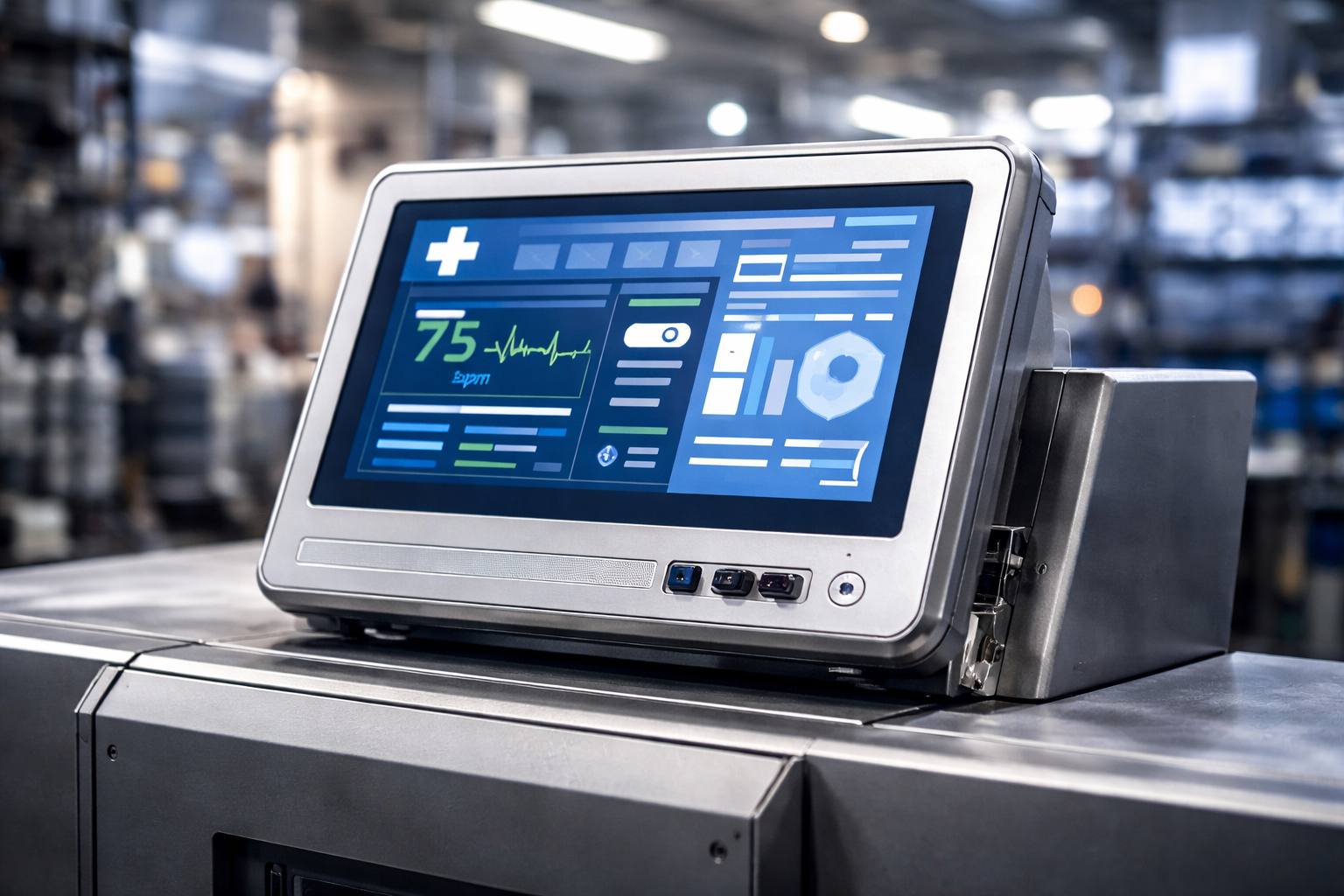
أصبحت الحواسيب اللوحية الصناعية مكونًا أساسيًا في أنظمة الأتمتة والتصنيع والتحكم الحديثة.
على عكس أجهزة الكمبيوتر المخصصة للمستهلكين, الحواسيب اللوحية الصناعية مصممة للعمل بموثوقية في البيئات القاسية حيث يكون الثبات والمتانة والتوافر على المدى الطويل أكثر أهمية من الأداء الخام وحده.
يتطلب اختيار لوحة الكمبيوتر الشخصية الصناعية المناسبة فهماً واضحاً لمتطلبات تطبيقك. يشرح هذا الدليل العوامل الرئيسية التي يجب مراعاتها لاتخاذ قرار مستنير.
أن لوحة كمبيوتر شخصية صناعية هو جهاز حوسبة متعدد الإمكانات يدمج شاشة عرض وشاشة تعمل باللمس وجهاز كمبيوتر من الدرجة الصناعية في حاوية واحدة.
تُستخدم هذه الأنظمة على نطاق واسع في المصانع ولوحات التحكم في الآلات والأكشاك والمحطات الصناعية.
بالمقارنة مع أجهزة الكمبيوتر الشخصية القياسية، توفر أجهزة الكمبيوتر الشخصية ذات اللوحة الصناعية:
يمكن أن يؤدي اختيار لوحة الكمبيوتر الشخصي الخطأ إلى:
تعمل لوحة الكمبيوتر الشخصي الصناعية المختارة بعناية على تحسين الكفاءة التشغيلية, ويقلل من المخاطر، ويدعم استقرار النظام على المدى الطويل.
ابدأ بتقييم قوة المعالجة التي يتطلبها تطبيقك.
تتوفر أجهزة الكمبيوتر الشخصية ذات اللوحة الصناعية بخيارات متنوعة من وحدة المعالجة المركزية، بدءًا من المعالجات منخفضة الطاقة لمهام واجهة المستخدم البشرية البسيطة إلى وحدات المعالجة المركزية عالية الأداء لمعالجة البيانات والتصور.
ضع في اعتبارك:
تجنب الإفراط في تحديد مواصفات الأجهزة، حيث يمكن أن يؤدي ذلك إلى زيادة التكلفة دون فائدة حقيقية.
قد تكون البيئات الصناعية صعبة. يجب أن تكون لوحة الكمبيوتر الشخصي مصممة لتتحمل:
ابحث عن ميزات مثل:
الشاشة هي الواجهة الأساسية بين المشغلين والماكينات. وتشمل الجوانب الرئيسية ما يلي:
يؤدي اختيار شاشة اللمس المناسبة إلى تحسين سهولة الاستخدام وتقليل أخطاء المشغل.
يجب أن تندمج أجهزة الكمبيوتر اللوحية الصناعية بسلاسة في الأنظمة الحالية.
تشمل خيارات التركيب الشائعة ما يلي:
تأكد من تطابق الطراز المحدد مع تصميم الضميمة وقيود التركيب.
غالباً ما تتطلب التطبيقات الصناعية واجهات متعددة.
تحقق من دعم:
يضمن الاتصال الكافي التوافق مع المستشعرات وأجهزة التحكم والشبكات الصناعية.
على عكس المنتجات الاستهلاكية، من المتوقع أن تظل الأنظمة الصناعية في الخدمة لسنوات عديدة.
اختر المورد الذي يقدم:
وهذا يقلل من مخاطر إعادة التصميم ويحمي استثمارك.
غالباً ما تُفضّل الحواسيب الشخصية الصناعية بدون مروحة بسبب:
ومع ذلك، قد تتطلب التطبيقات عالية الأداء تبريدًا نشطًا.
يعتمد الاختيار على التوازن بين احتياجات الأداء والظروف البيئية.
تُستخدم أجهزة الكمبيوتر الشخصية اللوحية الصناعية على نطاق واسع في:
لكل تطبيق متطلبات فريدة من نوعها، مما يجعل التقييم الدقيق ضرورياً.
لتحديد أفضل كمبيوتر لوحي صناعي
يساعد النهج المنظم على تجنب الأخطاء المكلفة ويضمن التشغيل الموثوق به.
لا يتعلق اختيار أفضل كمبيوتر لوحي صناعي باختيار أقوى نظام، بل يتعلق باختيار النظام المناسب لتطبيقك المحدد.
من خلال التركيز على الموثوقية والتوافق والدعم طويل الأمد، يمكن للشركات بناء أنظمة صناعية تعمل بكفاءة وثبات مع مرور الوقت.
إذا كنت تخطط لمشروع صناعي وتحتاج إلى إرشادات بشأن اختيار لوحة الكمبيوتر الشخصي, العمل مع مُصنِّع متمرس تبسيط العملية.
مقدمة أصبحت الواجهات بين الإنسان والآلة (HMIs) الآن مكونات قياسية في المعدات الصناعية الحديثة. تتيح شاشات العرض للمشغلين ...
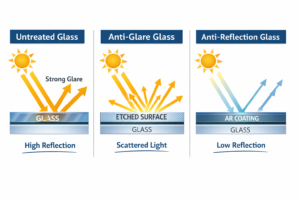
مقدمة كثيرًا ما يتم نشر شاشات العرض الصناعية في البيئات التي يصعب فيها التحكم في ظروف الإضاءة. المعدات ...
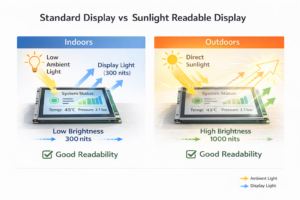
مقدمة تُعد شاشات العرض مكونًا هامًا للواجهة في العديد من أنواع المعدات الصناعية. فهي توفر النظام ...
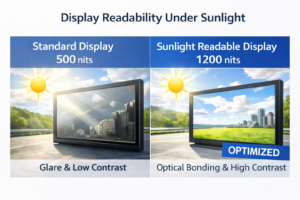
مقدمة تعتبر رؤية الشاشة معلمة تصميم بالغة الأهمية في المعدات الصناعية. يعتمد المشغلون على الواجهات الرسومية ...
أرسل تفاصيل طلبك. نرد عليك بتوجيهات التكوين والخطوات التالية.