دليل مشتري موردي شاشات العرض الصناعية لمعدات تصنيع المعدات الأصلية

مقدمة أصبحت الواجهات بين الإنسان والآلة (HMIs) الآن مكونات قياسية في المعدات الصناعية الحديثة. تتيح شاشات العرض للمشغلين ...
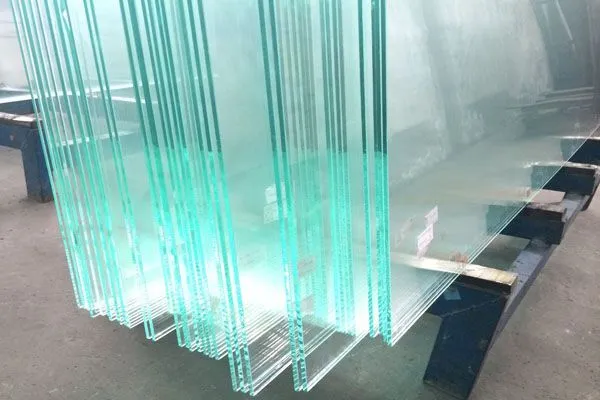
الزجاج المقوى - المعروف أيضًا باسم زجاج مقسّى-هو نوع من زجاج الأمان الذي يلعب دورًا حاسمًا في المعدات الصناعية، وشاشات العرض التي تعمل باللمس، والأكشاك، والأنظمة الموجهة للجمهور.
مقارنةً بالزجاج الملدن العادي، يوفر الزجاج المقوى:
هذه الخصائص تجعلها اختيار المواد القياسية للشاشات الصناعية التي تعمل باللمس، وآلات بيع التذاكر، وأنظمة العرض الخارجية.
الزجاج المقوى هو شكل من أشكال زجاج الأمان الذي تم معالجة حرارياً لتحسين قوته ومتانته.
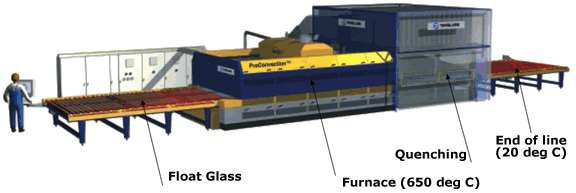
أثناء عملية التصنيع، يتم تسخين الزجاج إلى درجة 620-680°C ثم تبرد بسرعة.
تُنشئ هذه العملية الضغط الانضغاطي على السطح وإجهاد الشد داخل الزجاج.
ونتيجة لذلك، يصبح الزجاج المقوى:
تتضمن عملية التقوية عدة خطوات رئيسية:
بمجرد أن يتم تقسية الزجاج لا يمكن قطعها أو حفرها دون أن تنكسر.
يمكن أن يتحمل الزجاج المقوى:
وهذا يجعلها مثالية لـ شاشات اللمس المستخدمة في البيئات العامة أو الصناعية.
يتحمل الزجاج المقوى اختلافات في درجات الحرارة تصل إلى 200-250°C, أعلى بكثير من الزجاج القياسي.
هذا ضروري لتطبيقات مثل:
عند كسره، يتكسر الزجاج المقوى إلى شظايا صغيرة غير حادة بدلاً من الشظايا الحادة.
هذا يقلل بشكل كبير من خطر الإصابة، وهذا هو السبب في تصنيفها على أنها زجاج الأمان.
| الميزة | زجاج مقوّى | زجاج عادي |
|---|---|---|
| القوة | عالية جداً | منخفضة |
| المقاومة الحرارية | عالية | منخفضة |
| سلامة الكسر | قطع صغيرة غير حادة | شظايا حادة |
| الاستخدام الصناعي | نعم | لا يوجد |
في الشاشات التي تعمل باللمس وشاشات العرض الصناعية، يشيع استخدام الزجاج المقوى:
اعتماداً على المشروع، يمكن دمجه مع:
تعمل هذه التحسينات على تحسين الرؤية والمتانة وسهولة الاستخدام على المدى الطويل.
يستخدم الزجاج المقوى على نطاق واسع في:
قدرتها على الصمود الاستخدام المستمر والتأثير والإجهاد البيئي يجعلها مادة أساسية في تصميم الأنظمة الصناعية.
على الرغم من مزاياه، إلا أن الزجاج المقوى له بعض القيود:
لهذا السبب, التحقق من صحة التصميم قبل الإنتاج الضخم أمر بالغ الأهمية في المشاريع الصناعية.
نعم، يشير “الزجاج المقوى” و“الزجاج المقسى” إلى المادة نفسها.
نعم. مع السماكة والطلاءات المناسبة، يستخدم على نطاق واسع في التطبيقات شبه الخارجية والخارجية.
يتراوح السُمك النموذجي من 2 مم إلى 6 مم, ، اعتمادًا على حجم الشاشة ومتطلبات التأثير.
الزجاج المقوّى ليس مجرد ترقية للسلامة - بل هو اختيار المواد الأساسية للأنظمة الصناعية الحديثة والقائمة على اللمس.
كما أن قوتها وثباتها الحراري وسلوكها الآمن في حالات الفشل يجعلها لا غنى عنها في:
بالنسبة لشركات تصنيع المعدات الأصلية وشركات تكامل الأنظمة، يعد اختيار مواصفات الزجاج المقوى المناسبة خطوة أساسية نحو تصميم منتج موثوق وطويل العمر الافتراضي.
مقدمة أصبحت الواجهات بين الإنسان والآلة (HMIs) الآن مكونات قياسية في المعدات الصناعية الحديثة. تتيح شاشات العرض للمشغلين ...
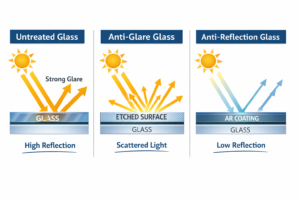
مقدمة كثيرًا ما يتم نشر شاشات العرض الصناعية في البيئات التي يصعب فيها التحكم في ظروف الإضاءة. المعدات ...
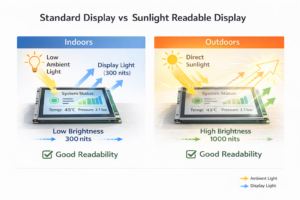
مقدمة تُعد شاشات العرض مكونًا هامًا للواجهة في العديد من أنواع المعدات الصناعية. فهي توفر النظام ...
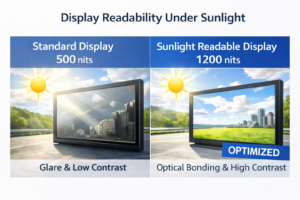
مقدمة تعتبر رؤية الشاشة معلمة تصميم بالغة الأهمية في المعدات الصناعية. يعتمد المشغلون على الواجهات الرسومية ...
أرسل تفاصيل طلبك. نرد عليك بتوجيهات التكوين والخطوات التالية.