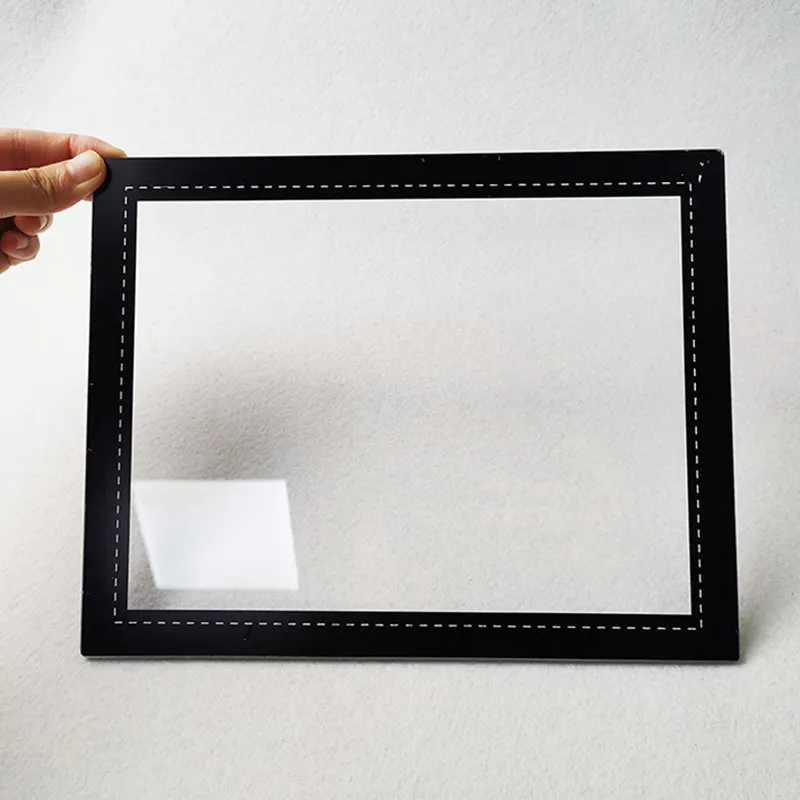
En los modernos proyectos de exposición industrial y comercial, el tratamiento de la superficie del vidrio desempeña un papel fundamental en la legibilidad, la durabilidad y la utilidad a largo plazo. Entre las soluciones más utilizadas se encuentran Tratamientos de cristal AG (antideslumbrante), AF (antihuellas) y AR (antirreflejos). Aunque a menudo se mencionan juntos, cada uno sirve para un propósito técnico y un escenario de aplicación diferentes.
Este artículo explica diferencias entre los vidrios AG, AF y AR, cómo funciona cada tratamiento y cómo seleccionar la opción adecuada para las pantallas industriales en 2026.
¿Qué es el cristal antideslumbrante?
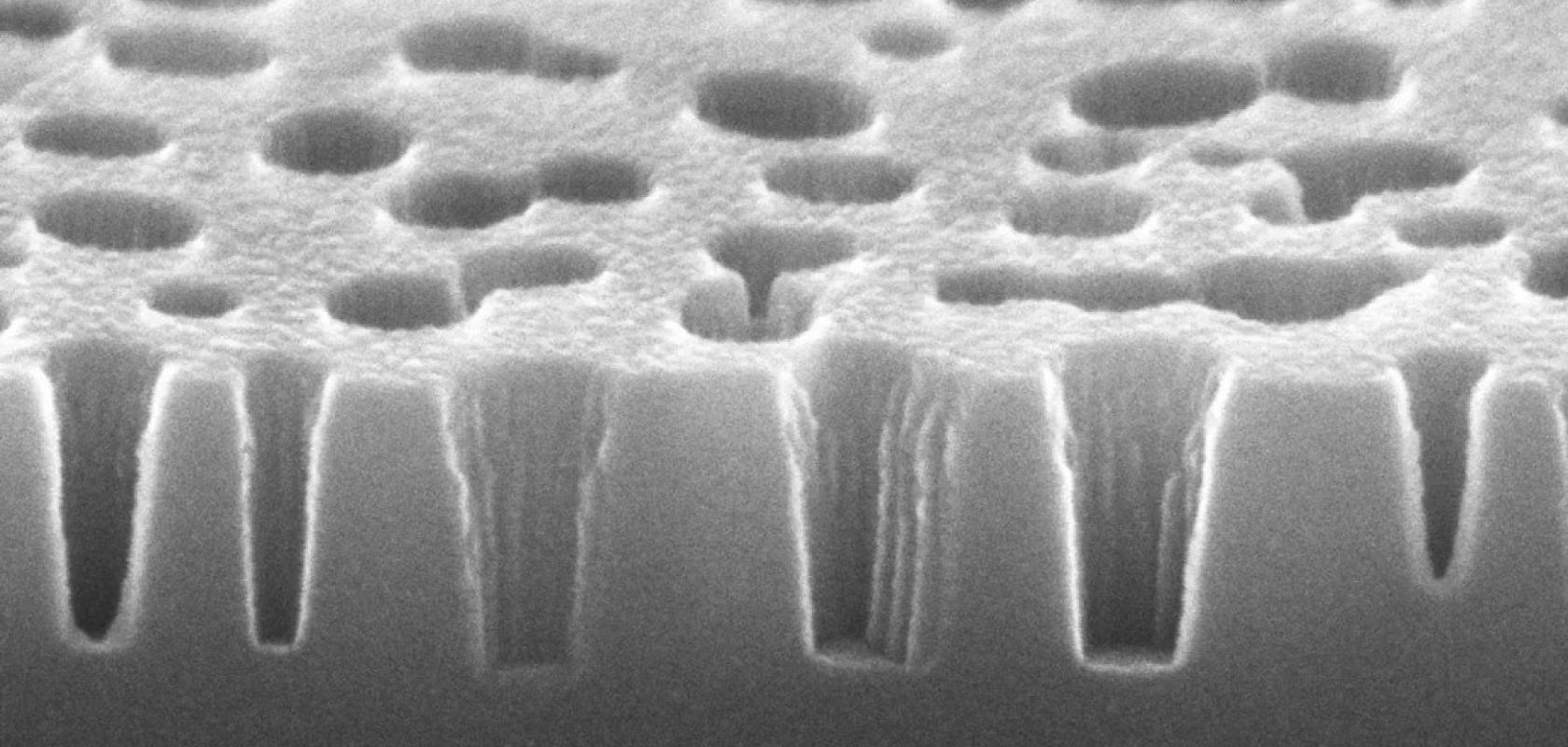
Vidrio AG, también conocido como vidrio antideslumbrante, está diseñado para reducir la reflexión de la superficie mediante difuminar la luz entrante. Esto se consigue normalmente mediante el grabado químico o la microtexturización de la superficie del vidrio.
En lugar de reflejar la luz directamente como un espejo, el vidrio AG dispersa la luz en múltiples direcciones, reduciendo significativamente el deslumbramiento causado por la luz solar o la iluminación artificial intensa.
Características principales del vidrio AG
Reduce el deslumbramiento y los reflejos de espejo
Mejora la legibilidad en entornos luminosos
Disminuye ligeramente la nitidez de la imagen debido a la difusión de la luz
Mantiene un rendimiento estable en condiciones exteriores
El vidrio AG se utiliza ampliamente en expositores industriales de exterior y semiexterior, donde la legibilidad a la luz del sol es más importante que una claridad de imagen perfecta.
Aplicaciones típicas del vidrio AG
Quioscos exteriores
Estaciones de recarga de vehículos eléctricos
Paneles HMI industriales
Exposiciones de transporte y náutica
Terminales de fábrica con fuerte iluminación cenital
¿Qué es el cristal AF (cristal antihuellas)?
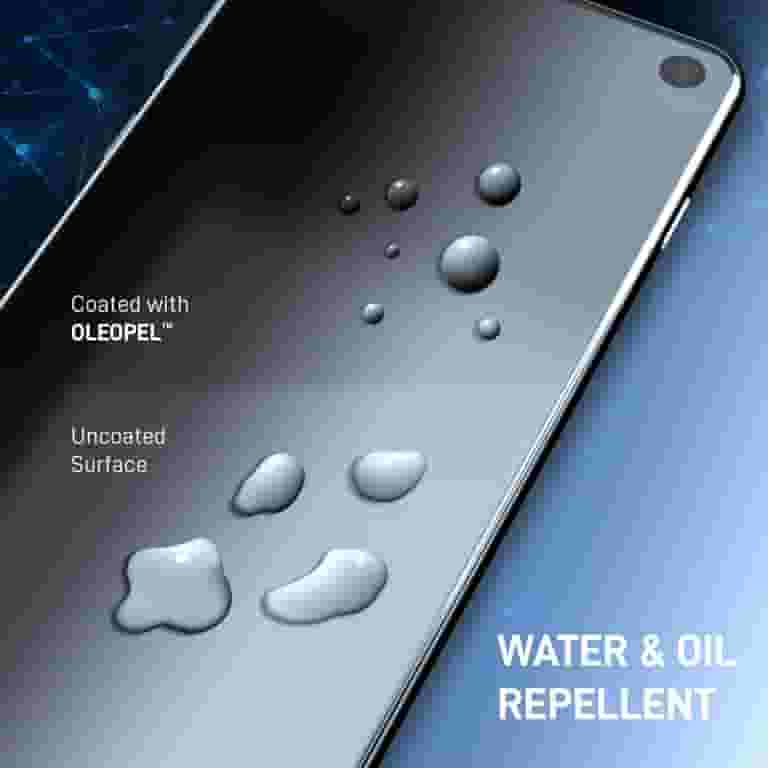
Cristal AF, o vidrio antihuellas dactilares, está recubierto con un capa oleofóbica que repele los aceites, la humedad y la suciedad. El objetivo principal del tratamiento AF no es reducir el deslumbramiento, sino limpieza de la superficie y facilidad de mantenimiento.
Los revestimientos AF reducen la visibilidad de las huellas dactilares y permiten eliminar las manchas más fácilmente, manteniendo limpia la superficie de la pantalla incluso en entornos de mucho contacto.
Características principales del vidrio AF
Reduce las huellas dactilares, las marcas de aceite y las manchas
Mejora la suavidad del tacto
Limpieza más fácil y rápida
Impacto mínimo en el rendimiento óptico
El cristal AF es especialmente valioso en sistemas públicos o desatendidos, En caso contrario, la interacción frecuente de los usuarios daría lugar a un aspecto visual deficiente y a mayores costes de mantenimiento.
Aplicaciones típicas del vidrio AF
Quioscos de autoservicio
Terminales de pago
Pantallas táctiles médicas
Sistemas públicos de información
Paneles de control industriales de uso frecuente
El vidrio AF suele combinado con AG o AR, en lugar de utilizarlo solo.
¿Qué es el cristal antirreflejos?
Vidrio AR, o cristal antirreflectante, utiliza revestimientos ópticos multicapa para minimizar la reflexión de la superficie mediante el control de la interferencia de la luz. A diferencia del vidrio AG, el vidrio AR reduce la reflexión sin luz difusa, conservando la nitidez y el contraste de la imagen.
Los revestimientos AR de alta calidad pueden reducir la reflectancia a por debajo de 1-2%, para que la pantalla aparezca más nítida y vívida incluso en condiciones de iluminación ambiental intensa.
Características principales del vidrio AR
Reflexión extremadamente baja
Excelente claridad de imagen y contraste
Sin efecto de superficie granulada o difusa
Mayor coste en comparación con AG o AF
El vidrio AR se utiliza a menudo en sistemas de visualización de alto brillo o premium, especialmente cuando el rendimiento óptico es una prioridad absoluta.
Aplicaciones típicas del vidrio AR
Pantallas exteriores de alta luminosidad
Salas de control y sistemas de vigilancia
Equipos de visión e inspección
Expositores comerciales premium
Monitores industriales con enlace óptico
Cristales AG vs AF vs AR: Comparación práctica
Característica
Vidrio AG
Vidrio AF
Vidrio AR
Reducción del deslumbramiento
Alta
Bajo
Muy alta
Resistencia a las huellas dactilares
Bajo
Muy alta
Medio
Nitidez de la imagen
Medio
Alta
Muy alta
Adecuación para exteriores
Alta
Medio
Muy alta
Nivel de costes
Bajo
Bajo-Medio
Alta
Cada tratamiento aborda un problema técnico diferente, y ninguna de ellas debe considerarse una solución universal.
¿Pueden combinarse los cristales AG, AF y AR?
Sí, en proyectos modernos de exposición industrial, los tratamientos combinados son cada vez más frecuentes.
Combinaciones habituales de tratamiento del vidrio
AG + AF: Pantallas táctiles para exteriores con interacción frecuente del usuario
AR + AF: Expositores de alta claridad que requieren superficies limpias
AG + AR + AF: Sistemas industriales a medida o de exterior de alta calidad
Cuando se combinan tratamientos, la compatibilidad y la durabilidad del revestimiento deben diseñarse cuidadosamente para evitar conflictos ópticos o la reducción de la vida útil.
Cómo elegir el tratamiento de vidrio adecuado para los expositores industriales
La selección del tratamiento correcto del vidrio depende de entorno de aplicación y condiciones de uso, no sólo especificaciones.
Factores clave a tener en cuenta
Instalación interior o exterior
Exposición directa al sol
Frecuencia de interacción con el usuario
Requisitos de claridad de imagen
Expectativas de mantenimiento
Directrices generales de selección
Quioscos exteriores y cargadores de vehículos eléctricos: AG + AF
Pantallas exteriores de alta luminosidad: AR + AF
IHM de fábrica: AG
Entornos médicos o limpios: AF + AR
Sistemas comerciales premium: AR + AF
Conclusión
Los tratamientos de vidrio AG, AF y AR tienen cada uno una función distinta en el diseño de pantallas industriales. Comprender sus diferencias ayuda a los ingenieros y a los equipos de compras a tomar decisiones informadas que mejoran la legibilidad, la durabilidad y el rendimiento a largo plazo.
En lugar de elegir un tratamiento del cristal de forma aislada, debe evaluarse junto con el brillo de la pantalla, la tecnología táctil, la unión óptica y las condiciones ambientales para lograr el mejor rendimiento global del sistema.
Introducción En el diseño de sistemas industriales, la selección de la arquitectura informática adecuada afecta directamente a la fiabilidad del sistema y a la complejidad de su integración, ...
Introducción En el diseño de equipos industriales, la interfaz hombre-máquina (IHM) afecta directamente a la facilidad de uso, la fiabilidad y el mantenimiento del sistema. ...
Introducción Las interfaces hombre-máquina (IHM) son actualmente componentes estándar de los equipos industriales modernos. Las pantallas permiten a los operarios ...
CONTACTO
Revisión de ingeniería
Envíe los detalles de su solicitud. Le responderemos con la dirección de configuración y los siguientes pasos.
Ideal para proyectos OEM/ODM y de integración. Tiempo de respuesta: 1 día laborable (GMT+8).
Para la RFQ, incluya tamaño/brillo, interfaces, montaje, temperatura de funcionamiento y fecha de entrega prevista.