Was ist ein Industrie-Panel-PC? Komponenten, Typen und Anwendungsbereiche
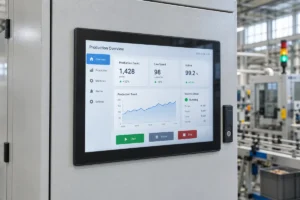
Ein Industrie-Panel-PC ist ein Computer mit integriertem Display, in der Regel einem Touchscreen, der für folgende Zwecke entwickelt wurde: ...
Das Eagle Touch-Entwicklungsteam
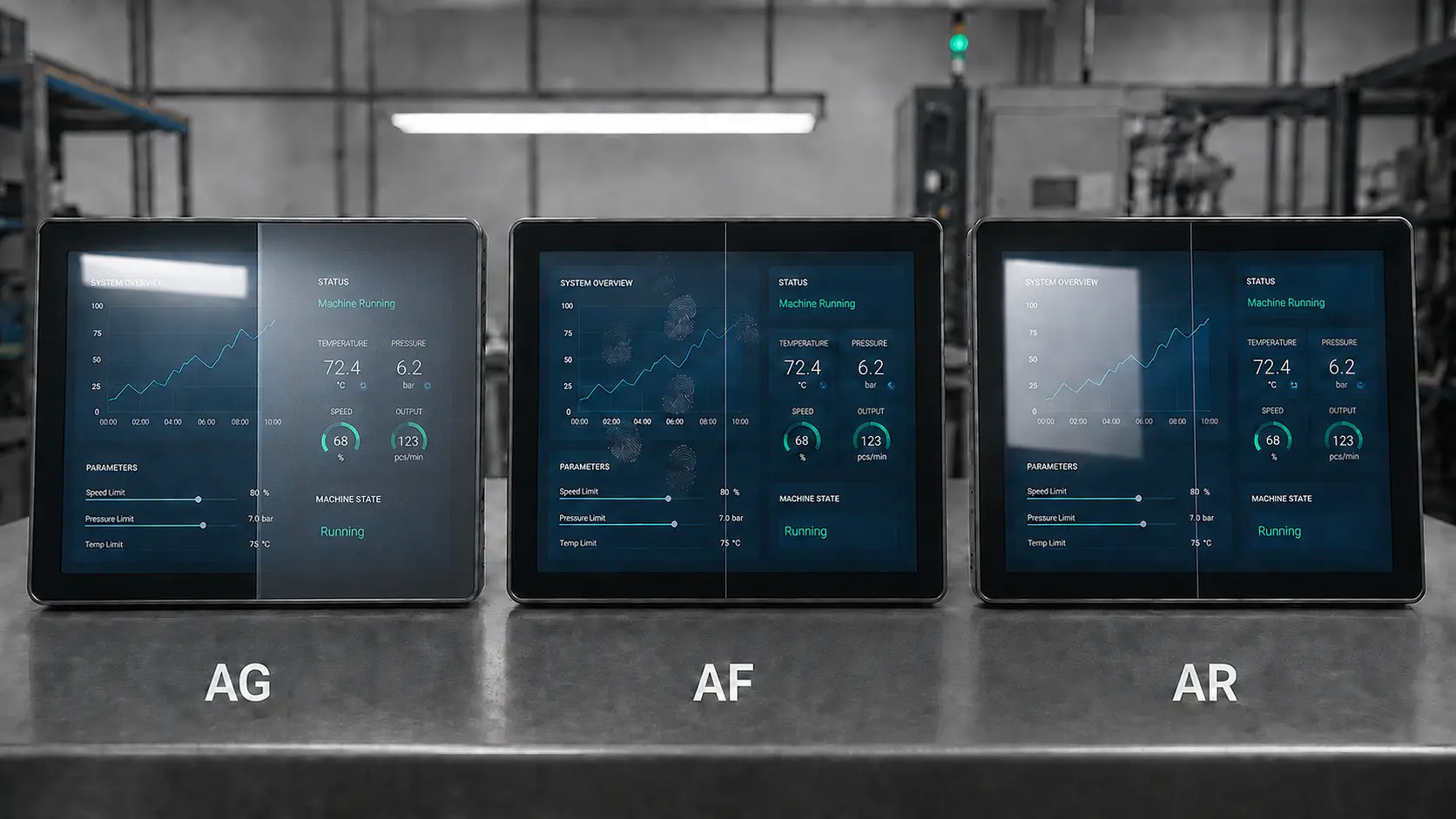
AG, AF und AR werden in den technischen Daten von Deckgläsern oft gemeinsam aufgeführt, erfüllen jedoch unterschiedliche Funktionen.
AG reduziert störende Blendung, indem es reflektiertes Licht streut. AF erleichtert das Entfernen von Fingerabdrücken und Fettflecken. AR verringert die Lichtreflexion durch das Glas. Keine dieser Beschichtungen ist automatisch besser als die anderen, und die Kombination aller drei garantiert noch kein besseres Display.
Bei einem industriellen Touchdisplay sollten Sie zunächst das Problem betrachten, das das fertige Gerät lösen soll. Berücksichtigen Sie dabei die Beleuchtung, die Benutzeroberfläche, die Reinigungsmethode, die Struktur des Deckglases und die erforderliche Lebensdauer. Führen Sie anschließend an einem repräsentativen Muster eine Eignungsprüfung der Beschichtung durch.
| Behandlung | Hauptzweck | Ein guter Ausgangspunkt für | Wichtigster Kompromiss |
|---|---|---|---|
| AG – Blendschutz | Streut scharfe Reflexionen von Lampen, Fenstern und Gegenständen in der Umgebung | HMI-Bediengeräte, Schalttafeln und Anlagen in der Fabrik unter gerichtetem Licht | Zu starker Dunst kann feine Schriftzüge und Grafiken unscharf erscheinen lassen |
| AF – Anti-Fingerabdruck | Verringert die Ölhaftung und erleichtert die Reinigung der Oberfläche | Öffentliche Touchscreens, medizinische Bedienfelder, Kiosksysteme und häufig berührte Benutzeroberflächen | Bietet für sich genommen keinen Schutz vor Stößen oder Kratzern |
| AR – Antireflexbeschichtung | Reduziert die Oberflächenreflexion bei gleichbleibender Bildschärfe | Hochauflösende Benutzeroberflächen, professionelle Displays und ausgewählte Außenanzeigesysteme | Höhere Kosten und strengere Anforderungen an Beschichtung, Handhabung und Haltbarkeit |
| AG + AF | Kombiniert Blendschutz mit einfacher Reinigung | Industrielle HMIs, Kiosksysteme und öffentliche Terminals | Sowohl das optische Ergebnis als auch die Haltbarkeit des Autofokus müssen überprüft werden |
| AR + AF | Vereint geringe Reflexion mit einfacher Reinigung | Touch-Displays für den medizinischen Bereich, Premium-Displays und Displays mit hoher Bildschärfe | Der gesamte Beschichtungsstapel erfordert eine kontrollierte Verarbeitung und Validierung |
Kurz gesagt ist es ganz einfach: AG für Blendschutz, AF für Berührungsspuren und AR für Reflexionen. Die endgültige Spezifikation hängt noch von der vollständigen Darstellung ab.
Die AG-Beschichtung (Anti-Glare) verleiht dem Glas eine fein strukturierte Oberfläche. Anstatt ein scharfes Abbild einer Deckenlampe oder eines nahegelegenen Fensters zu erzeugen, verteilt die Oberfläche das reflektierte Licht über einen größeren Bereich. Die Reflexion wird dadurch weniger deutlich und lenkt den Bediener weniger ab.
AG ist nützlich, wenn sich bei einer Positionsänderung des Bedieners ein sichtbarer Reflex auf dem Bildschirm abzeichnet, insbesondere bei HMIs, die unter starker Beleuchtung installiert sind.
Mehr Mattierung ist nicht immer besser. Eine stärker streuende Oberfläche kann zwar Reflexionen unterdrücken, aber auch das vom LCD kommende Licht streuen. Das kann zu unschärferem Text, vermindertem Kontrast, sichtbaren Glitzererscheinungen oder einer schlechteren Lesbarkeit von QR-Codes führen.
Bei hochauflösenden Displays, kleinem Text und dünnen Linien ist das Risiko größer. Anstatt die höchstmögliche Trübung anzugeben, sollten Sie die Muster anhand des endgültigen Bildschirminhalts und des normalen Betrachtungsabstands vergleichen. Prüfen Sie gegebenenfalls auch den Glanz und die Reflexion.
AG lässt sich durch Ätzen des Glases oder durch Aufbringen einer Oberflächenbeschichtung herstellen. Die Wahl des Verfahrens hängt vom optischen Anwendungszweck, dem Glasmaterial, dem Reinigungsprozess und der Abriebbelastung ab. Ermitteln Sie das Verfahren und qualifizieren Sie ein für die Serienproduktion repräsentatives Muster; nicht jedes Produkt, das als “AG-Glas” verkauft wird, weist das gleiche Erscheinungsbild oder die gleiche Lebensdauer auf.
AF steht für „Anti-Fingerprint“. Dabei handelt es sich in der Regel um eine oleophobe Oberflächenbeschichtung, die verhindert, dass Hautfett und Fingerabdrücke sich ausbreiten und sichtbar bleiben. Spuren können zwar immer noch entstehen, lassen sich aber in der Regel leichter abwischen.
Dies ist bei öffentlichen Terminals und Bedienfeldern von Bedeutung, die täglich mehrfach gereinigt werden. Der Wasserkontaktwinkel wird häufig als Indikator für die Qualitätskontrolle von AF herangezogen, doch ein Ausgangswert sagt nichts über die Lebensdauer aus. Wenn es auf die Haltbarkeit ankommt, sollten Sie die Prüfmethode sowie das erforderliche Ergebnis nach Abrieb- oder Reinigungszyklen festlegen.
AF macht Glas weder kratzfest noch erhöht es dessen Schlagfestigkeit. Diese Eigenschaften hängen vom Glasmaterial, der Dicke, der Verstärkung, der Kantenverstärkung, der Verklebung und der Einfassung ab. Wenn für das Produkt eine IK-Einstufung erforderlich ist, behandeln Sie diese als separaten Anforderungen an die Gestaltung von Deckglas. Testen Sie außerdem das jeweilige Tuch und die Reinigungsmittel; die Verträglichkeit der Beschichtungen variiert.
Bei der AR-Beschichtung (Anti-Reflex-Beschichtung) werden in der Regel dünne optische Schichten verwendet, damit sich reflektierte Lichtwellen teilweise gegenseitig aufheben. Dadurch dringt mehr Licht vom Display durch das Deckglas, und weniger Umgebungslicht wird zum Betrachter zurückgeworfen.
Bei normalem Einfallswinkel reflektiert eine unbehandelte Luft-Glas-Grenzfläche in der Regel etwa 4% des sichtbaren Lichts. Eine einzelne Glasscheibe weist mehr als eine optische Grenzfläche auf, sodass die Totalreflexion von der gesamten Struktur abhängt. Die AR-Leistung muss daher unter Angabe der Messbedingungen angegeben werden.
AR ist sinnvoll, wenn bei einem Projekt eine geringe Reflexion erforderlich ist, ohne dass es dabei zu der Bildunschärfe kommt, die mit einer stark diffusen Oberfläche einhergeht, wie dies beispielsweise bei medizinischen Geräten, hochauflösenden HMIs und ausgewählten Außenanzeigen der Fall ist.
“AR-Beschichtung” ist keine vollständige Spezifikation. Bitten Sie den Lieferanten um folgende Angaben:
Ein niedriger Wert bei einer bestimmten Wellenlänge bedeutet nicht automatisch eine geringe durchschnittliche Reflexion über den gesamten sichtbaren Wellenlängenbereich. Prüfen Sie das Erscheinungsbild bei normalen Betrachtungswinkeln. Wenn eine beschichtete Oberfläche verklebt werden soll, vergewissern Sie sich, dass die Beschichtung und der Klebstoff miteinander kompatibel sind.
AG und AR sind keine zwei Stufen derselben Behandlung.
AG verändert das Erscheinungsbild einer Reflexion. Ein scharfes Bild einer Lampe verwandelt sich in einen breiten, weichen Fleck. AR reduziert die Intensität der Reflexion und bewahrt in der Regel eine höhere scheinbare Schärfe.
| Entscheidungsfaktor | AG Glas | AR-Glas |
|---|---|---|
| Optische Hauptwirkung | Streut reflektiertes Licht | Reduziert reflektiertes Licht |
| Oberflächenbeschaffenheit | Matt oder seidenmatt | Klar, meist glänzend |
| Bilddetail | Kann bei höherer Trübung weicher werden | Erhält die Klarheit in der Regel besser |
| Leistungsstarke Deckenleuchte | Oft eine praktische Wahl | Kann helfen, aber die Kosten sind möglicherweise nicht gerechtfertigt |
| Hochauflösende Schnittstelle | Verwenden Sie AG mit geringer Trübung und geringem Glanz und testen Sie es | Oft vorzuziehen, wenn Klarheit entscheidend ist |
| Verwendung im Freien | Kann störende Spiegelbilder reduzieren | Kann den Kontrast durch Verringerung der Reflexion verbessern |
| Hauptrisiko bei der Qualifizierung | Dunst, Glitzern und Detailverlust | Gleichmäßigkeit der Reflexion, Farbe und Beständigkeit der Beschichtung |
Bei Outdoor-Geräten sollten Sie mit dem gesamten optischen System beginnen. LCD-Helligkeit, interne Reflexionen, optische Bindung, Deckglas, Betrachtungswinkel und Schattierung beeinflussen alle die Lesbarkeit. AR kann eine zu schwache Hintergrundbeleuchtung nicht ausgleichen, und AG allein macht ein Display noch nicht bei Sonnenlicht lesbar.
Ja, aber die Kombination muss einem klaren Zweck dienen.
Behandlungen können auf verschiedene Oberflächen aufgebracht oder in einem kontrollierten Stapel angeordnet werden. Überprüfen Sie die Reihenfolge der Beschichtungen, die Prozesskompatibilität und die Anforderungen an die Haftung. Mehrere Behandlungen erhöhen die Kosten und den Validierungsaufwand; sie führen jedoch nicht automatisch zu einer Verbesserung des Displays.
| Anmeldung | Praktischer Ausgangspunkt | Vor der Genehmigung bestätigen |
|---|---|---|
| HMI in der Fabrik unter Deckenbeleuchtung | AG | Lampenausrichtung, Trübung, Glanz, Textlesbarkeit und Verwendung von Handschuhen |
| Kiosk im Freien oder Ladestation für Elektrofahrzeuge | AG, AG + AF oder eine validierte AR-Lösung | LCD-Helligkeit, optische Verklebung, Sonneneinstrahlung, Beschattung des Gehäuses und Reinigung |
| Öffentlicher Selbstbedienungs-Touchscreen | AF oder AG + AF | Berührungshäufigkeit, Fingerabdrücke, Reinigungsmethode und Abriebfestigkeit |
| Medizinisches Touchpanel | AF oder AR + AF | Verträglichkeit mit Desinfektionsmitteln, Bildschärfe und Lebensdauer der Beschichtung |
| Hochauflösende professionelle HMI | AR oder AG mit geringer Trübung | Feindruck, Farbe, Reflexionsgrad und Betrachtungswinkel |
| Touchscreen mit IK-Schutzklasse | Zunächst die mechanische Konstruktion | Glasdicke, Verstärkung, Kantenstützung, Verklebung und Touch-Optimierung |
| Berührungsloses Display für den Außenbereich | AG oder AR je nach Reflexionsproblem | Helligkeit, optischer Aufbau, Einbauwinkel und thermisches Design |
Zwei Geräte, die dasselbe LCD-Display verwenden, benötigen unter Umständen unterschiedliche Deckglasarten, da eines zum Fenster und das andere zur Wand hin ausgerichtet ist. Die Behandlungsart sollte sich nach den Einsatzbedingungen richten.
Schreiben Sie nicht einfach nur “AG-Glas erforderlich” oder “AR-Beschichtung erforderlich”. Geben Sie dem Lieferanten genügend Informationen, damit er Ihnen die richtige Ausführung empfehlen und ein Angebot unterbreiten kann.
Geben Sie zunächst die Informationen zur Bewerbung an:
Für AG sind der Matt- oder Glanzbereich, die Verarbeitungsart, die Anforderungen an die geringe Reflexion sowie Muster anzugeben. Für AF sind die Kontaktwinkelmessmethode, die Reinigungsverträglichkeit und die Haltbarkeit anzugeben. Für AR sind der angestrebte Reflexionsgrad, der Wellenlängenbereich, der Messwinkel, die beschichtete Seite sowie die Angabe, ob sich der Wert auf die Oberfläche oder auf das gesamte Glas bezieht, anzugeben.
Achten Sie auf messbare Leistungen und eine repräsentative Auswahl – nicht nur auf das Etikett.
Ein einzelnes Stück behandeltes Glas unter Bürobeleuchtung kann nicht als Endprodukt gelten. Testen Sie nach Möglichkeit den kompletten Display-Stapel und verwenden Sie dabei für jedes Muster denselben Bildschirminhalt und dieselbe Helligkeit. Prüfen Sie das Display unter normaler Beleuchtung, unter starker Deckenbeleuchtung und gegebenenfalls bei Tageslicht – sowohl aus der Perspektive des Bedieners als auch aus realistischen Blickwinkeln abseits der Achse.
Verwenden Sie dunkle Bildschirme, um Reflexionen sichtbar zu machen, und prüfen Sie anschließend Kleingedrucktes, feine Linien und QR-Codes auf Trübungen oder Glitzern. Achten Sie bei AR-Mustern auf Farbreste und Unebenheiten in der Beschichtung.
Falls für das Produkt dickes Glas, Handschuhe, Nassreinigung oder Berührungen an den Kanten erforderlich sind, testen Sie diese Bedingungen an der fertigen Konstruktion. Verwenden Sie schließlich das tatsächlich vorgesehene Reinigungstuch und die entsprechenden Reinigungsmittel. Eine Beschichtung, die am ersten Tag hervorragend aussieht, kann nach wiederholter Reinigung dennoch versagen.
Eine stärkere Trübung kann zwar scharfe Reflexionen verringern, aber auch dazu führen, dass kleiner Text, feine Grafiken und QR-Codes schwerer zu lesen sind. Wählen Sie die Trübung aus, indem Sie die tatsächliche Benutzeroberfläche testen.
AR kann Oberflächenreflexionen reduzieren, doch die Lesbarkeit im Außenbereich hängt weiterhin von der Helligkeit, der optischen Verklebung, internen Reflexionen und der Montage ab. Siehe die vollständige Leitfaden zur Auswahl von bei Sonnenlicht lesbaren Monitoren bevor das Glas fertiggestellt wird.
AF verbessert die Reinigungsfreundlichkeit. Es ist jedoch kein Ersatz für gehärtetes Glas, eine geeignete Dicke oder eine auf mechanische Belastungen ausgelegte Konstruktion.
Glas, Beschichtung, Berührungssensor, Verklebung, LCD und Gehäuse bilden ein einheitliches System. Wird eine Komponente zu früh fixiert, entstehen unnötige optische, mechanische und berührungsbezogene Risiken.
AG verhindert störende Reflexionen, AF verringert das Anhaften von Fingerabdrücken und Fett, und AR reduziert die vom Glas reflektierte Lichtmenge. Diese Beschichtungen dienen der Lösung unterschiedlicher Probleme und sollten separat angegeben werden.
Nicht grundsätzlich. AG ist oft sinnvoll, wenn gerichtete Blendung das Hauptproblem darstellt. AR ist nützlich, wenn geringe Reflexion und Bildschärfe im Vordergrund stehen. Vergleichen Sie die vollständigen Display-Muster unter den realen Lichtverhältnissen der Installation.
Ja. AG + AF und AR + AF sind gängige Funktionskombinationen, während AG + AR und Stapel aus drei Beschichtungen eine sorgfältige prozesstechnische und optische Validierung erfordern. Verwenden Sie eine Kombination nur dann, wenn jede Beschichtung eine definierte Anforderung erfüllt.
Nein. AR kann den Kontrast im Außenbereich verbessern, indem es Oberflächenreflexionen reduziert, doch die Lesbarkeit bei Sonnenlicht hängt auch von der LCD-Helligkeit, der optischen Verklebung, internen Reflexionen, der Beschattung und dem thermischen Design ab.
AG, AF und AR sind keine Verbesserungen auf einer einzigen Skala. AG mindert störende Blendungen, AF verbessert die Reinigungsfreundlichkeit und AR verringert Oberflächenreflexionen. Die richtige Wahl ist diejenige, die dafür sorgt, dass der Bildschirm auch nach dem Einbau in die eigentliche Maschine gut lesbar, bedienbar und pflegeleicht bleibt.
Für ein OEM-Projekt teilen Sie Eagle Touch bitte die Displaygröße, die Lichtverhältnisse, die LCD-Helligkeit, die Dicke des Deckglases, das Klebeverfahren, den Reinigungsprozess und die voraussichtliche Stückzahl mit. Wir können Ihnen eine geeignete Lösung empfehlen und vor der Serienfertigung ein repräsentatives Muster zur Bewertung anfertigen.
Ein Industrie-Panel-PC ist ein Computer mit integriertem Display, in der Regel einem Touchscreen, der für folgende Zwecke entwickelt wurde: ...
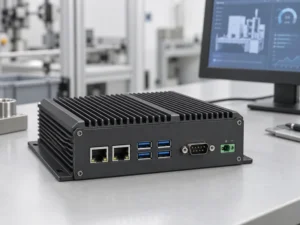
Ein Embedded-PC ist ein Computer, der so konfiguriert ist, dass er als Teil einer Maschine oder eines größeren Systems funktioniert. ...
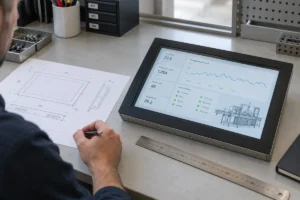
Beginnen Sie mit der Software, die auf dem Panel-PC laufen soll, und den Anforderungen, die er erfüllen muss. Dann ...
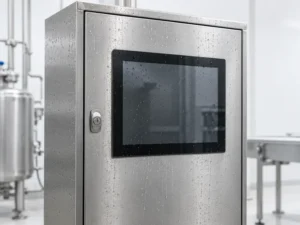
Bei der Auswahl der Schutzart für einen industriellen Panel-PC sollten zunächst zwei Fragen geklärt werden: Welcher Staub- und Wasserbelastung ist das Gerät ausgesetzt? ...
Teilen Sie uns Ihre Anwendung, Ihre Anforderungen oder Ihre aktuelle Herausforderung mit. Unser Team wird die Details prüfen und Ihnen einen praktischen Lösungsansatz vorschlagen.