Guida all'acquisto dei fornitori di display industriali per le apparecchiature OEM
Introduzione Le interfacce uomo-macchina (HMI) sono ormai componenti standard delle moderne apparecchiature industriali. I display consentono agli operatori di ...
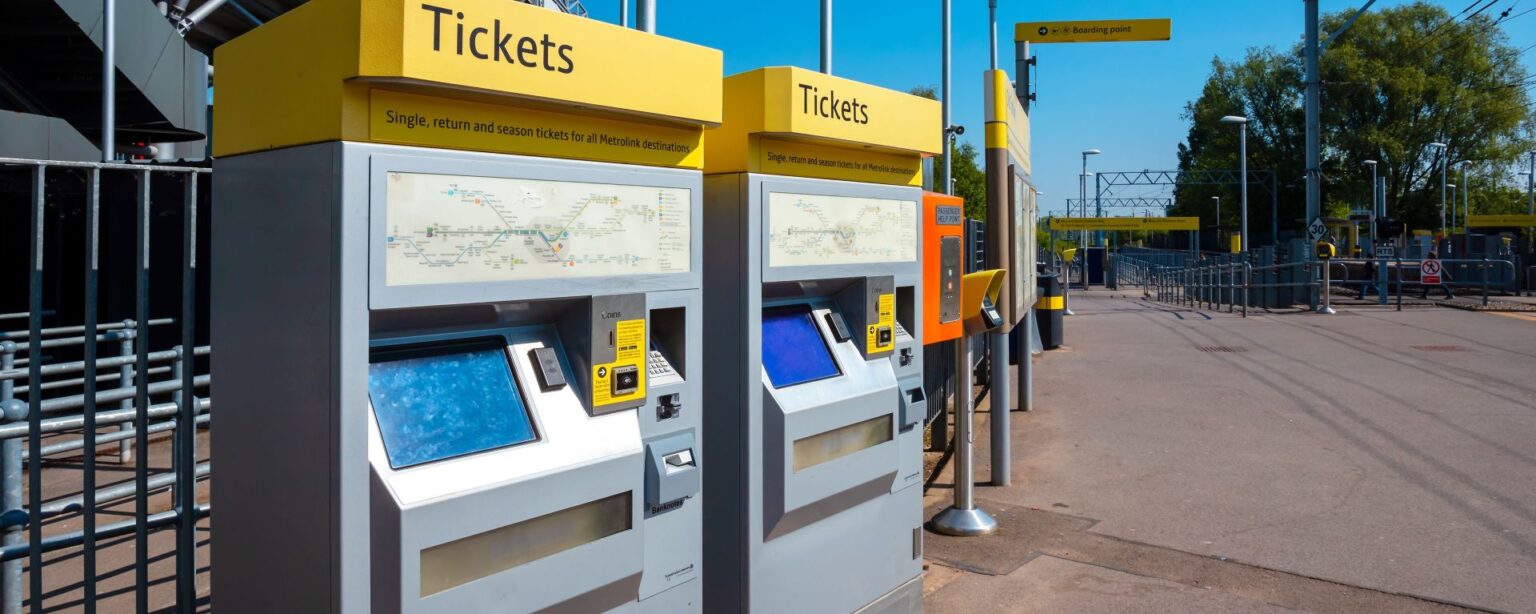
A Monitor leggibile alla luce del sole rimane chiaramente visibile in ambienti esterni ad alta luminosità, dove i display standard falliscono.
Nel 2026, le specifiche chiave da ricercare includono Luminosità ≥1000 nits, incollaggio ottico, rivestimenti antiriflesso e antigraffio, Protezione robusta IP65/IK10, e ampia tolleranza di temperatura.
Questa guida illustra ogni fattore in termini pratici, aiutandovi a selezionare il giusto display di livello industriale ed evitare costosi errori nei progetti outdoor.
Nel 2026, i sistemi digitali per esterni saranno ovunque: caricabatterie per veicoli, chioschi intelligenti, HMI industriali, console marine e attrezzature per il trasporto.
Tuttavia, un problema non è scomparso:
Sotto la luce diretta del sole, molti display diventano sbiaditi, illeggibili o si guastano a causa del calore.
La scarsa visibilità non è solo un inconveniente. È causa di:
La scelta del giusto monitor leggibile alla luce del sole è quindi una decisione a livello di sistema, non solo un aggiornamento del display.
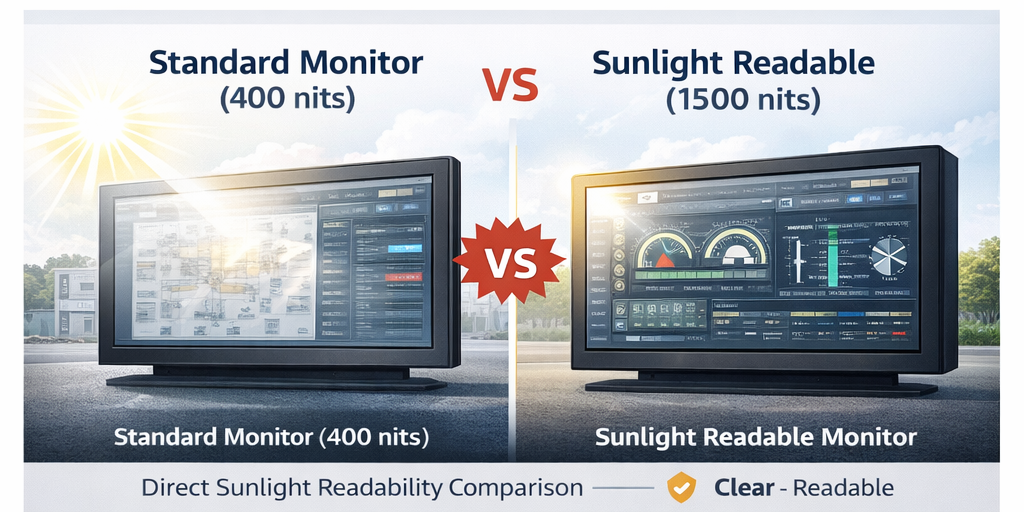
La luminosità è alla base della leggibilità in esterni.
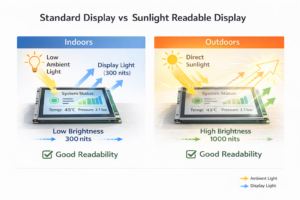
I monitor standard per interni (300-400 nit) non sono adatti all'esterno. Nel 2026, i parametri di riferimento pratici sono:
L'elevata luminosità garantisce la leggibilità durante le ore di punta del giorno, in particolare per chioschi, sistemi di trasporto, attrezzature marine e macchinari industriali.
Suggerimento bonus:
Scegliere monitor con regolazione automatica della luminosità per ridurre il consumo energetico notturno e prolungare la durata di vita dei pannelli.
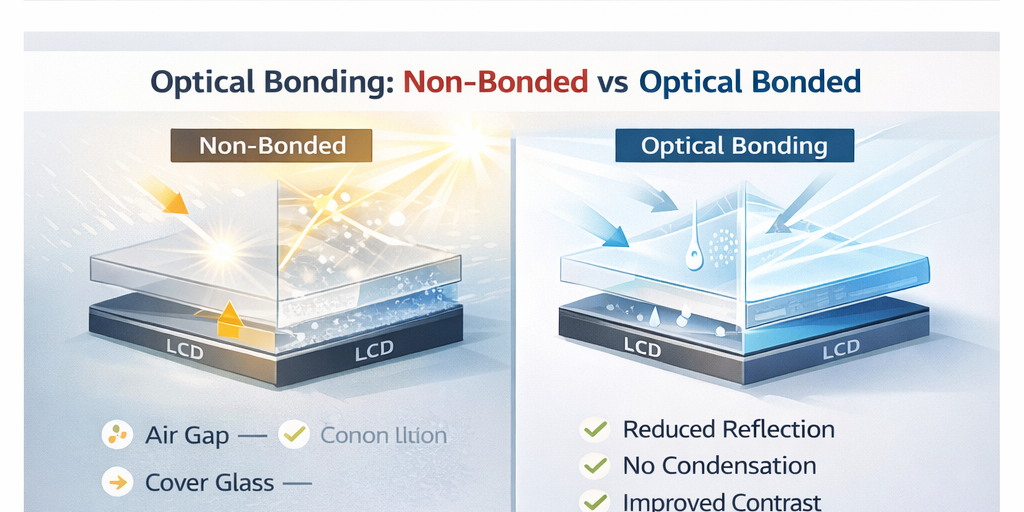
Senza l'incollaggio ottico, tra il pannello LCD e il vetro di copertura si crea un vuoto d'aria. Questa fessura provoca:
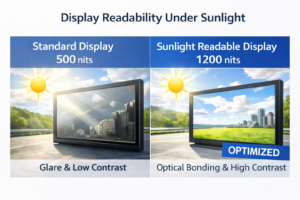
Incollaggio ottico elimina questa fessura utilizzando un adesivo ottico, fornendo:
Nei moderni sistemi per esterni, il bonding ottico non è più facoltativo, ma obbligatorio.
La luminosità da sola non può superare i riflessi della luce solare, del vetro o dei fari dei veicoli.
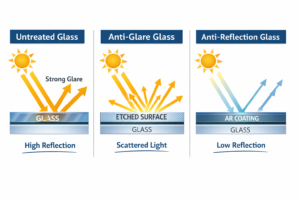
È qui che i trattamenti superficiali giocano un ruolo fondamentale:
Nel 2026, molti display rugged combineranno Rivestimenti AG + AR con vetro antigraffio (7H+), garantendo una leggibilità a lungo termine in ambienti pubblici e industriali.
Un display progettato per l'uso in interni può guastarsi in poche settimane all'esterno.
Per garantire l'affidabilità a lungo termine, confermate le seguenti caratteristiche di robustezza:
La leggibilità all'aperto e la durata devono essere progettate insieme.
La visibilità è solo metà dell'equazione.Le prestazioni del touch sono altrettanto importanti.
| Tipo di tocco | Il migliore per |
|---|---|
| Capacitivo proiettato (PCAP) | Multi-touch, gesti, utilizzo del guanto |
| Tocco resistivo | Singolo tocco, ambienti umidi o polverosi |
| Tocco impermeabile | Sistemi marini, chioschi all'aperto, uso critico per l'igiene |
Nel 2026, PCAP con guanto e sintonizzazione wet-touch è la scelta più comune per le applicazioni industriali e all'aperto.
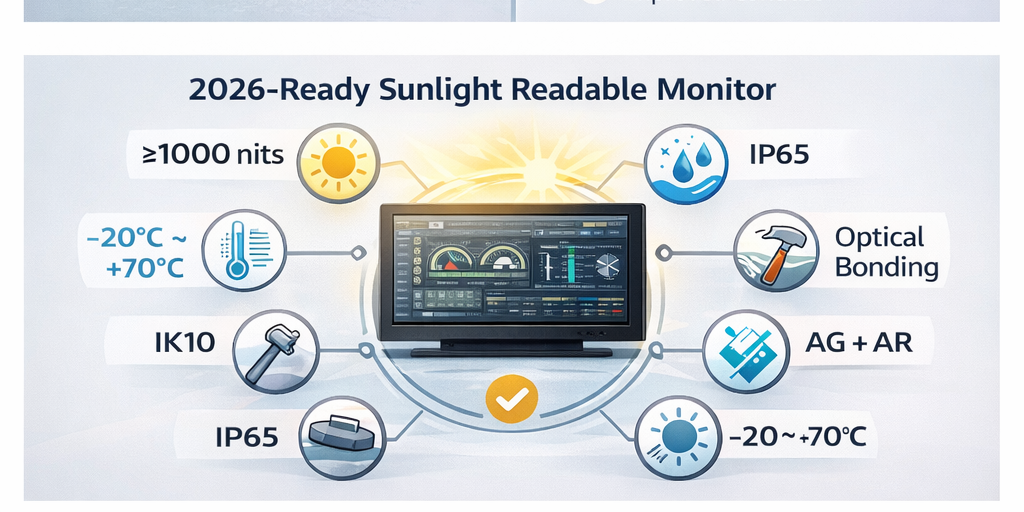
Assicuratevi che il vostro espositore includa:
Il rispetto di questi criteri garantisce prestazioni affidabili in ambienti esterni gravosi e ad alta luminosità.
La leggibilità alla luce del sole non è definita da un'unica specifica: è il risultato di decisioni di progettazione integrata.
Un monitor leggibile alla luce del sole progettato correttamente non combatte l'ambiente, ma lo rispetta.
Dando priorità:
vi assicura che il vostro display per esterni rimanga leggibile, resistente e affidabile, indipendentemente dall'intensità della luce solare.
A Eagle Touch, progettiamo e produciamo monitor touch industriali e PC con pannello leggibile alla luce del sole per le applicazioni esterne più esigenti, dai chioschi ai sistemi di trasporto, dalle attrezzature pesanti agli ambienti marini.
👉 Contattateci per discutere i requisiti del vostro progetto o per richiedere una raccomandazione.
Introduzione Le interfacce uomo-macchina (HMI) sono ormai componenti standard delle moderne apparecchiature industriali. I display consentono agli operatori di ...
Introduzione I display industriali sono spesso utilizzati in ambienti in cui le condizioni di illuminazione sono difficili da controllare. Apparecchiature ...
Introduzione I display sono un componente di interfaccia fondamentale in molti tipi di apparecchiature industriali. Forniscono al sistema ...
Introduzione La visibilità del display è un parametro critico nella progettazione delle apparecchiature industriali. Gli operatori si affidano alle interfacce grafiche ...
Inviate i dettagli della vostra applicazione. Risponderemo con la direzione della configurazione e le fasi successive.