Руководство для поставщиков промышленных дисплеев для OEM-оборудования

Введение Человеко-машинные интерфейсы (ЧМИ) сегодня являются стандартными компонентами современного промышленного оборудования. Дисплеи позволяют операторам ...
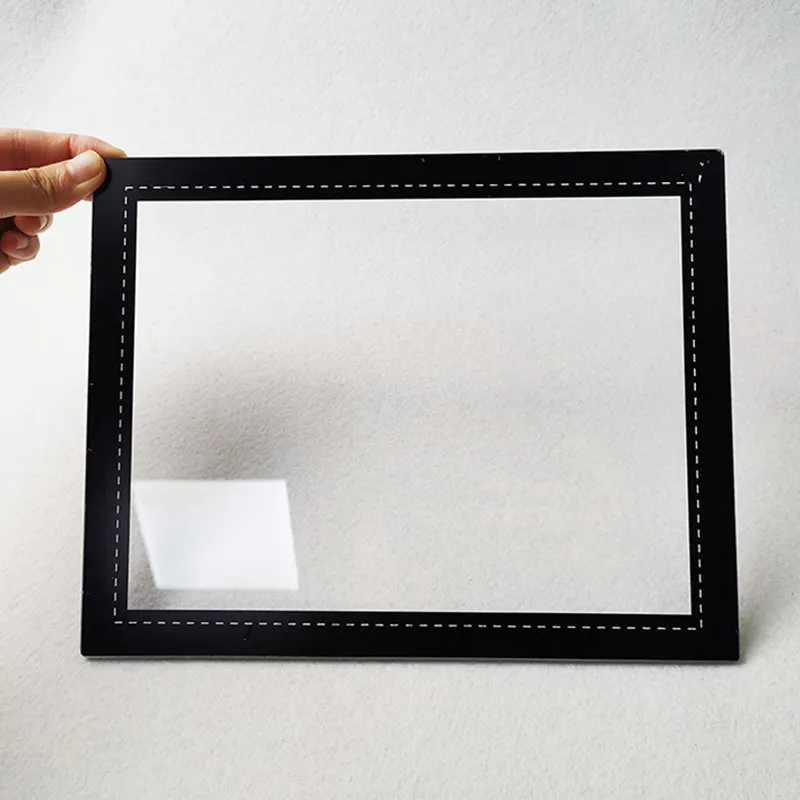
В современных проектах промышленных и коммерческих дисплеев обработка поверхности стекла играет важнейшую роль в обеспечении читаемости, прочности и долгосрочности использования.
Среди наиболее часто используемых решений Обработка стекол AG (антиблик), AF (антиотпечаток пальцев) и AR (антиблик). Хотя их часто упоминают вместе, каждый из них служит разным техническим целям и сценариям применения.
В этой статье рассказывается о различия между стеклами AG, AF и AR, Как работает каждая процедура, и как выбрать правильный вариант для промышленных дисплеев в 2026 году.
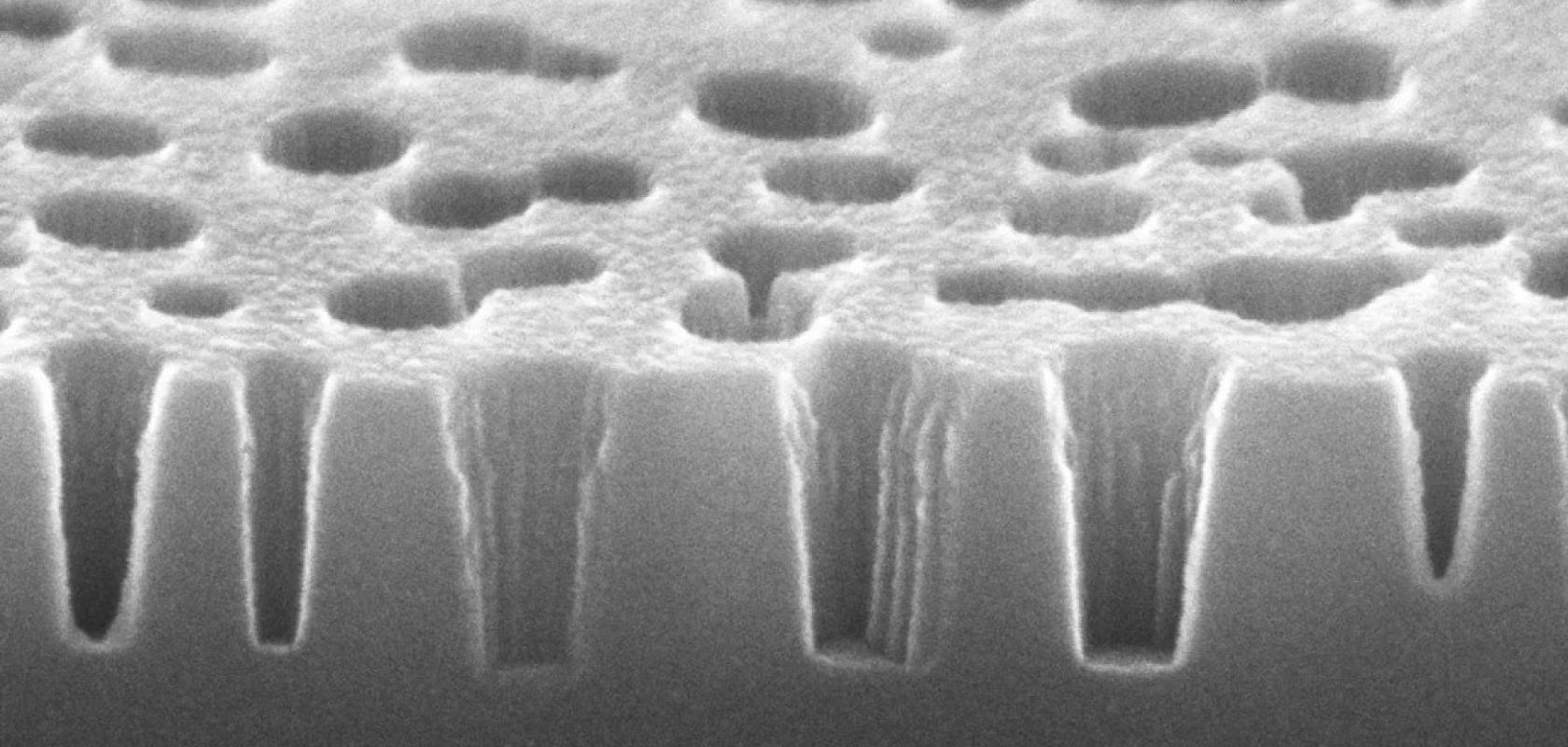
Стекло AG, Антибликовое стекло, также известное как антибликовое, предназначено для уменьшения отражения от поверхности. рассеивание входящего света. Обычно это достигается путем химического травления или микрорельефа поверхности стекла.
Вместо того чтобы отражать свет напрямую, как зеркало, стекло AG рассеивает его в нескольких направлениях, значительно уменьшая блики, вызванные солнечными лучами или сильным искусственным освещением.
Стекло AG широко используется в Открытые и полуоткрытые промышленные дисплеи, В тех случаях, когда удобство чтения при солнечном свете важнее идеальной четкости изображения.
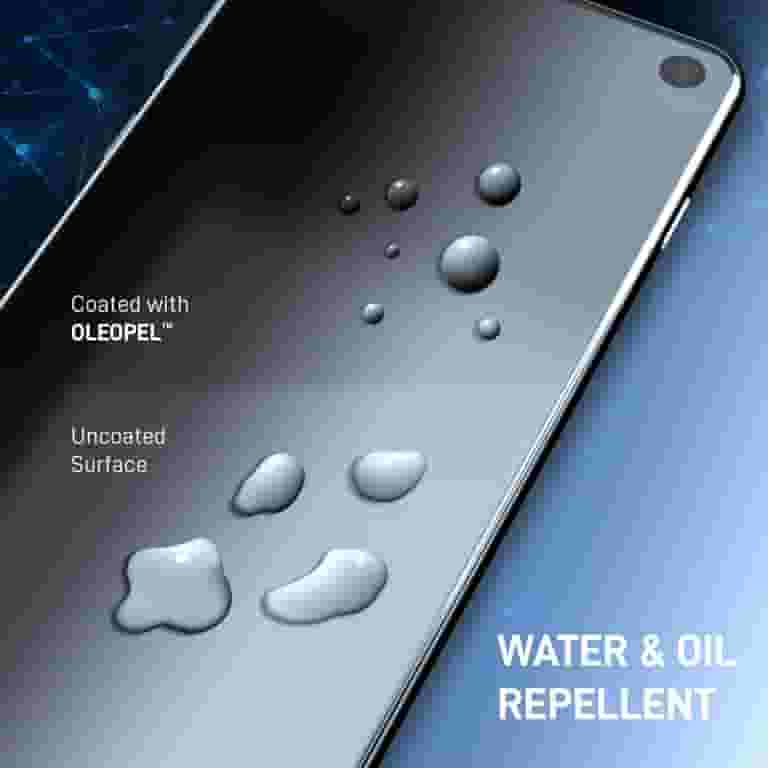
Стекло AF, или стекло с защитой от отпечатков пальцев, покрыто олеофобный слой который отталкивает масла, влагу и грязь. Основная цель обработки AF - не уменьшение бликов, а чистота поверхности и простота обслуживания.
Покрытия AF уменьшают видимость отпечатков пальцев и позволяют легче удалять пятна, сохраняя поверхность дисплея чистой даже в условиях повышенного внимания к нему.
Стекло AF особенно ценно в общественные или необслуживаемые системы, Там, где частое взаимодействие с пользователем в противном случае привело бы к ухудшению внешнего вида и увеличению затрат на обслуживание.
Стекло AF обычно в сочетании с АГ или АР, а не используется самостоятельно.

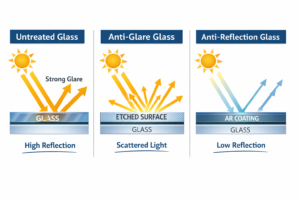
Стекло AR, или антибликовое стекло, использует многослойные оптические покрытия для минимизации отражений от поверхности путем борьбы с интерференцией света. В отличие от стекла AG, стекло AR уменьшает отражение без рассеивания света, При этом сохраняется резкость и контрастность изображения.
Высококачественные AR-покрытия могут снизить отражательную способность до ниже 1-2%, Благодаря этому дисплей выглядит более четким и ярким даже при сильном внешнем освещении.
AR-стекло часто используется в дисплеи повышенной яркости или премиум-класса, Особенно, когда оптические характеристики являются главным приоритетом.
| Характеристика | AG Glass | Стекло AF | AR Glass |
|---|---|---|---|
| Уменьшение бликов | Высокий | Низкий | Очень высокий |
| Устойчивость к отпечаткам пальцев | Низкий | Очень высокий | Средний |
| Резкость изображения | Средний | Высокий | Очень высокий |
| Пригодность для использования на открытом воздухе | Высокий | Средний | Очень высокий |
| Уровень затрат | Низкий | Низкий-средний | Высокий |
Каждая процедура направлена на другая техническая проблема, И ни один из них нельзя считать универсальным решением.
Да. В современных проектах промышленных дисплеев, Комбинированные методы лечения получают все большее распространение.
При комбинировании методов обработки необходимо тщательно продумать совместимость и долговечность покрытий, чтобы избежать оптических конфликтов или сокращения срока службы.
Выбор правильной обработки стекла зависит от среда применения и условия использования, а не просто технические характеристики.
Обработка стекол AG, AF и AR имеет свое предназначение в промышленном дизайне дисплеев.
Понимание их различий помогает инженерам и специалистам по закупкам принимать взвешенные решения, которые улучшают читаемость, прочность и долгосрочные характеристики.
Вместо того чтобы выбирать стекло отдельно, его следует оценивать вместе с яркостью дисплея, сенсорной технологией, оптическим соединением и условиями окружающей среды для достижения наилучшей общей производительности системы.
Введение Человеко-машинные интерфейсы (ЧМИ) сегодня являются стандартными компонентами современного промышленного оборудования. Дисплеи позволяют операторам ...
Введение Промышленные дисплеи часто используются в средах, где условия освещения трудно контролировать. Оборудование ...
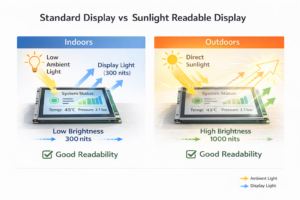
Введение Дисплеи являются важнейшим компонентом интерфейса во многих типах промышленного оборудования. Они обеспечивают систему ...
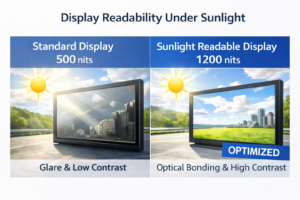
Введение Видимость дисплея - важнейший параметр конструкции промышленного оборудования. Операторы полагаются на графические интерфейсы ...
Отправьте информацию о вашем приложении. В ответ мы сообщим направление конфигурации и дальнейшие шаги.