Bei modernen industriellen und kommerziellen Display-Projekten spielt die Oberflächenbehandlung von Glas eine entscheidende Rolle für die Lesbarkeit, Haltbarkeit und langfristige Nutzbarkeit. Zu den am häufigsten verwendeten Lösungen gehören AG- (Anti-Glare), AF- (Anti-Fingerprint) und AR- (Anti-Reflective) Glasbehandlungen. Obwohl sie oft zusammen erwähnt werden, dienen sie jeweils einem anderen technischen Zweck und Anwendungsszenario.
Dieser Artikel erläutert die Unterschiede zwischen AG-, AF- und AR-Glas, wie die einzelnen Verfahren funktionieren und wie man die richtige Option für industrielle Displays im Jahr 2026 auswählt.
Was ist AG-Glas (Anti-Glare-Glas)?
AG Glas, auch Blendschutzglas genannt, soll die Oberflächenreflexion durch Streuung des einfallenden Lichts. Dies wird in der Regel durch chemisches Ätzen oder Mikrostrukturierung der Glasoberfläche erreicht.
Anstatt das Licht wie ein Spiegel direkt zu reflektieren, streut AG-Glas das Licht in mehrere Richtungen, was die durch Sonnenlicht oder starke künstliche Beleuchtung verursachte Blendung erheblich reduziert.
Hauptmerkmale von AG-Glas
Reduziert Blendung und spiegelnde Reflexionen
Verbessert die Lesbarkeit in hellen Umgebungen
Geringfügige Verringerung der Bildschärfe aufgrund von Lichtstreuung
Behält seine stabile Leistung unter Außenbedingungen bei
AG-Glas wird häufig verwendet in Industrie-Displays für den Außen- und Halb-Außenbereich, wo die Lesbarkeit bei Sonnenlicht wichtiger ist als eine perfekte Bildschärfe.
Typische Anwendungen von AG-Glas
Kioske im Freien
EV-Ladestationen
Industrielle HMI-Panels
Transport- und Schiffsausstellungen
Fabrikterminals mit starker Deckenbeleuchtung
Was ist AF-Glas (Anti-Fingerprint-Glas)?
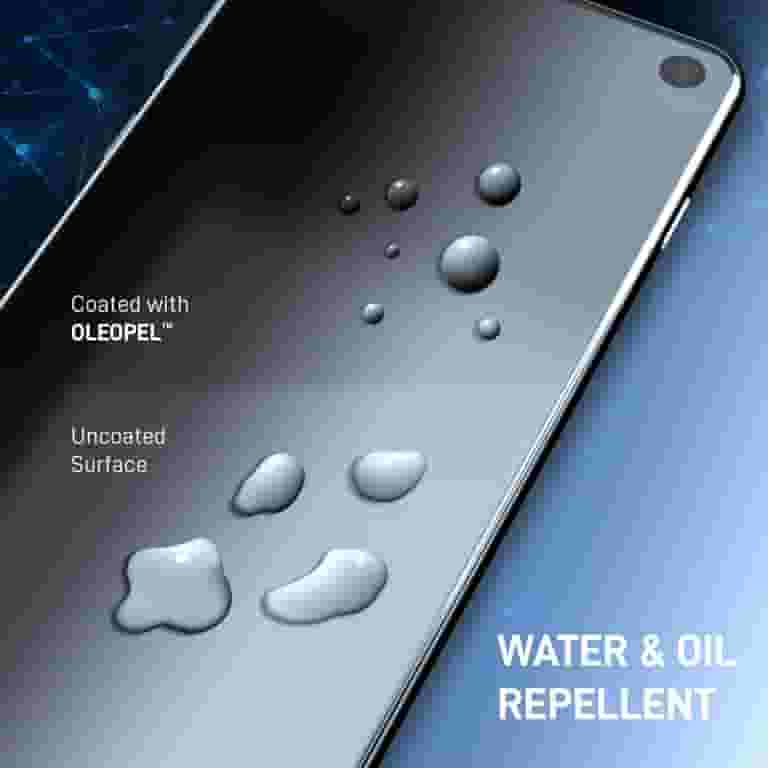
AF-Glas, oder Anti-Fingerprint-Glas, ist mit einer Beschichtung oleophobe Schicht das Öle, Feuchtigkeit und Schmutz abweist. Der Hauptzweck der AF-Behandlung ist nicht die Blendreduzierung, sondern Sauberkeit der Oberfläche und Pflegeleichtigkeit.
AF-Beschichtungen verringern die Sichtbarkeit von Fingerabdrücken und ermöglichen eine leichtere Entfernung von Flecken, so dass die Display-Oberfläche auch in Umgebungen mit vielen Berührungen sauber bleibt.
Hauptmerkmale von AF-Glas
Reduziert Fingerabdrücke, Ölflecken und Verschmutzungen
Verbessert die Geschmeidigkeit der Berührung
Leichtere und schnellere Reinigung
Minimale Beeinträchtigung der optischen Leistung
AF-Glas ist besonders wertvoll bei öffentliche oder unbeaufsichtigte Systeme, wo häufige Benutzerinteraktion sonst zu einem schlechten optischen Erscheinungsbild und höheren Wartungskosten führen würde.
Typische Anwendungen von AF-Glas
Selbstbedienungs-Kioske
Zahlungsterminals
Medizinische Touch-Displays
Öffentliche Informationssysteme
Industrielle Schalttafeln mit häufigem Betrieb
AF-Glas ist in der Regel kombiniert mit AG oder AR, und nicht allein verwendet werden.
Was ist AR-Glas (Antireflexionsglas)?
AR-Glas, oder antireflektierendes Glas, verwendet Mehrschichtige optische Beschichtungen zur Minimierung der Oberflächenreflexion durch Kontrolle der Lichtinterferenz. Im Gegensatz zu AG-Glas reduziert AR-Glas die Reflexion ohne Streulicht, Dabei bleiben Bildschärfe und Kontrast erhalten.
Hochwertige AR-Beschichtungen können die Reflexion auf unten 1-2%, Dadurch erscheint das Display auch bei starkem Umgebungslicht klarer und lebendiger.
Hauptmerkmale von AR-Glas
Äußerst geringe Reflexion
Ausgezeichnete Bildschärfe und Kontrast
Kein körniger oder diffuser Oberflächeneffekt
Höhere Kosten im Vergleich zu AG oder AF
AR-Glas wird häufig verwendet in hochauflösende oder hochwertige Displaysysteme, besonders dann, wenn die optische Leistung eine hohe Priorität hat.
Typische Anwendungen von AR-Glas
Helligkeitsstarke Außenanzeigen
Kontrollräume und Überwachungssysteme
Sicht- und Prüfgeräte
Hochwertige kommerzielle Displays
Optisch geklebte Industriemonitore
AG vs. AF vs. AR-Glas: Praktischer Vergleich
Merkmal
AG Glas
AF-Glas
AR-Glas
Blendreduzierung
Hoch
Niedrig
Sehr hoch
Widerstand gegen Fingerabdrücke
Niedrig
Sehr hoch
Mittel
Bildschärfe
Mittel
Hoch
Sehr hoch
Outdoor-Eignung
Hoch
Mittel
Sehr hoch
Kostenniveau
Niedrig
Niedrig bis mittel
Hoch
Jede Behandlung befasst sich mit einer anderes technisches Problem, und keine von ihnen sollte als Universallösung betrachtet werden.
Können AG-, AF- und AR-Glas miteinander kombiniert werden?
Ja, in modernen industriellen Display-Projekten, Kombinationsbehandlungen werden immer häufiger eingesetzt.
Übliche Kombinationen von Glasbehandlungen
AG + AF: Touchscreens im Freien mit häufiger Benutzerinteraktion
AR + AF: Hochglänzende Displays, die saubere Oberflächen erfordern
AG + AR + AF: Hochwertige Systeme für den Außenbereich oder maßgeschneiderte industrielle Systeme
Bei der Kombination von Behandlungen müssen die Kompatibilität und die Haltbarkeit der Beschichtung sorgfältig geplant werden, um optische Konflikte oder eine verkürzte Lebensdauer zu vermeiden.
Wie man die richtige Glasbehandlung für industrielle Displays auswählt
Die Wahl der richtigen Glasbehandlung hängt ab von Anwendungsumgebung und Einsatzbedingungen, und nicht nur Spezifikationen.
Zu berücksichtigende Schlüsselfaktoren
Innen- oder Außenaufstellung
Direktem Sonnenlicht ausgesetzt
Häufigkeit der Benutzerinteraktion
Anforderungen an die Bildklarheit
Erwartungen an die Wartung
Allgemeine Auswahlrichtlinien
Kioske und Ladestationen für Elektrofahrzeuge im Freien: AG + AF
Helligkeitsstarke Außenanzeigen: AR + AF
Fabrik-HMIs: AG
Medizinische oder saubere Umgebungen: AF + AR
Hochwertige kommerzielle Systeme: AR + AF
Schlussfolgerung
AG-, AF- und AR-Glasbehandlungen dienen jeweils einem bestimmten Zweck im industriellen Displaydesign. Die Kenntnis ihrer Unterschiede hilft Ingenieuren und Beschaffungsteams, fundierte Entscheidungen zu treffen, die die Lesbarkeit, Haltbarkeit und langfristige Leistung verbessern.
Anstatt eine Glasbehandlung isoliert zu wählen, sollte sie zusammen mit der Bildschirmhelligkeit, der Touchtechnologie, der optischen Bindung und den Umgebungsbedingungen bewertet werden, um die beste Gesamtsystemleistung zu erzielen.
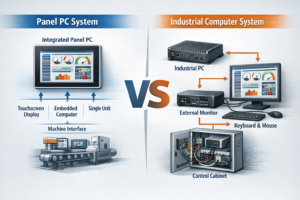
Einleitung Bei der Entwicklung industrieller Systeme wirkt sich die Auswahl der geeigneten Rechnerarchitektur direkt auf die Zuverlässigkeit und die Komplexität des Systems aus, ...
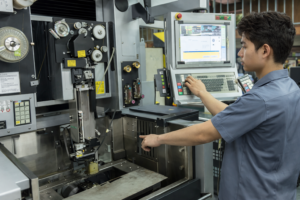
Einleitung Bei der Entwicklung von Industrieanlagen wirkt sich die Mensch-Maschine-Schnittstelle (HMI) direkt auf die Benutzerfreundlichkeit, Zuverlässigkeit und Wartung des Systems aus. ...