パネルPCと産業用コンピュータ:アーキテクチャと統合の違い
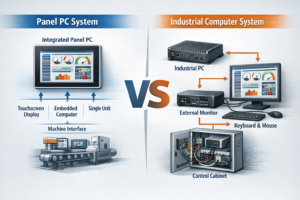
はじめに 産業用システムの設計において、適切なコンピューティング・アーキテクチャを選択することは、システムの信頼性や統合の複雑性に直接影響する、, ...

現代の工業用および商業用ディスプレイ・プロジェクトにおいて、ガラスの表面処理は読みやすさ、耐久性、長期的な使いやすさにおいて重要な役割を果たしている。.
最も一般的に使用されているソリューションは以下の通りである。 AG(アンチグレア)、AF(アンチフィンガープリント)、AR(アンチリフレクティブ)ガラス処理. .これらはよく一緒に語られるが、それぞれが異なる技術的目的と応用シナリオを提供している。.
について解説する。 AG、AF、ARガラスの違い, 2026年の産業用ディスプレイのために、各処理がどのように機能し、どのように適切なオプションを選択するか。.
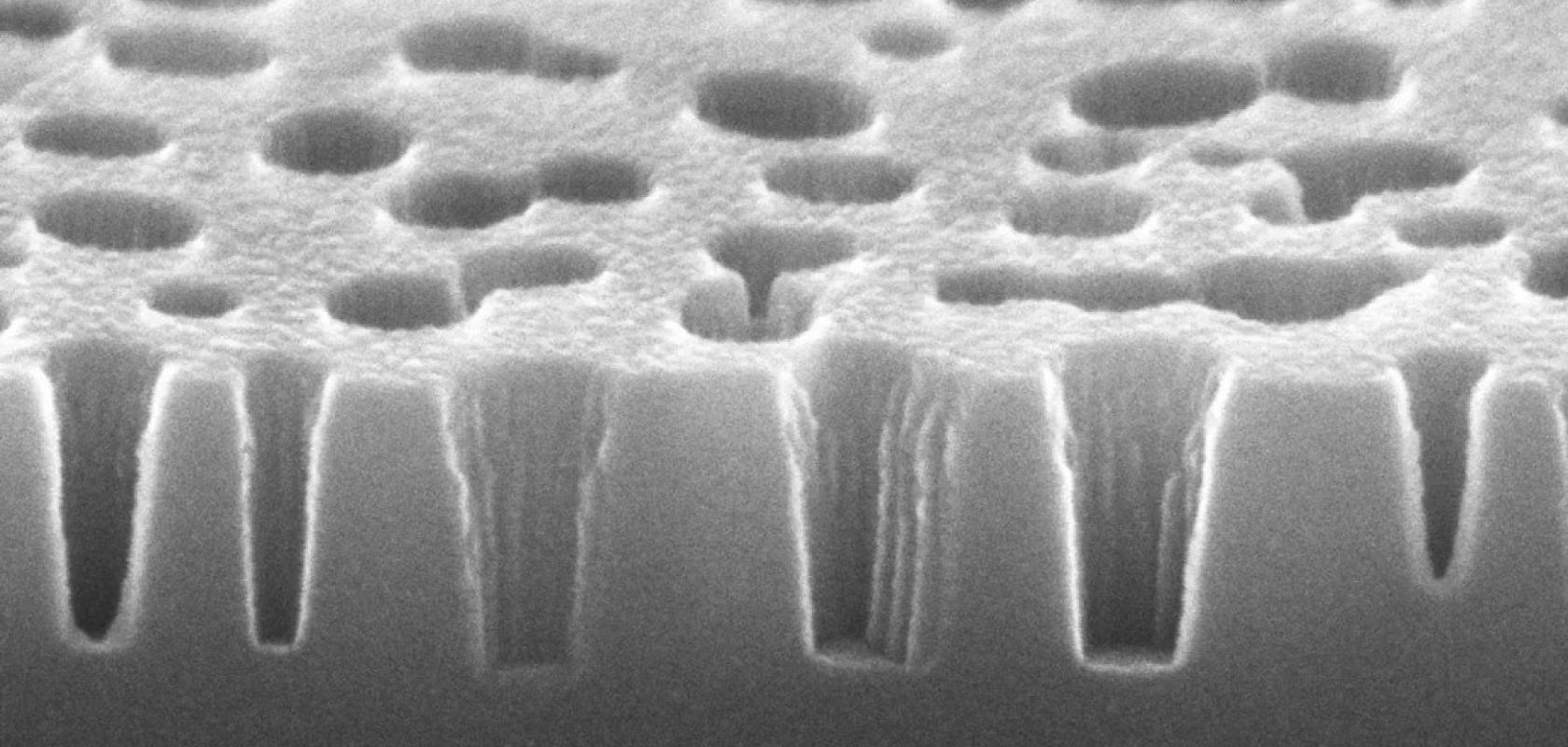
AGガラス, アンチグレアガラスとも呼ばれるこのガラスは、表面の反射を抑えるように設計されている。 入射光の拡散. .これは通常、ガラス表面の化学エッチングまたはマイクロテクスチャリングによって達成される。.
AGガラスは鏡のように光を直接反射させるのではなく、光を多方向に散乱させるため、太陽光や強い人工照明によるまぶしさを大幅に軽減する。.
AGガラスは次のような分野で広く使用されている。 屋外・半屋外産業用ディスプレイ, 完璧な画像の鮮明さよりも日光の読みやすさが重要な場合。.
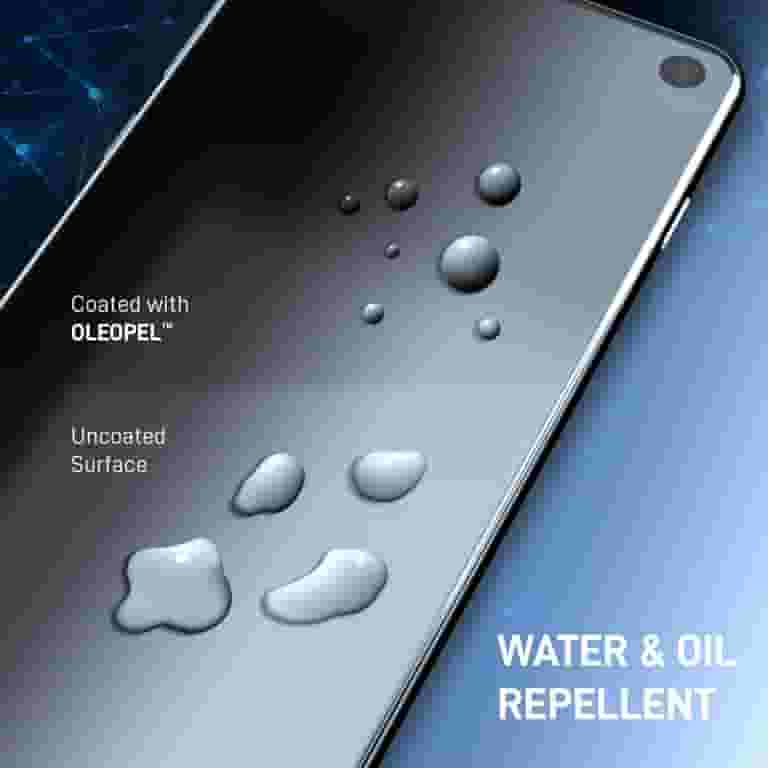
AFガラス, すなわち防指紋ガラスがコーティングされている。 疎油性層 油分、水分、汚れをはじく。AF加工の主な目的は、眩しさを軽減することではなく 表面の清浄度とメンテナンスの容易さ.
AFコーティングは、指紋の目立ちにくさと汚れの落ちやすさを実現し、タッチ操作の多い環境でもディスプレイ表面をクリーンに保ちます。.
AFガラスは特に次のような場面で威力を発揮する。 公共または無人システム, 頻繁にユーザーと接触するような場所では、外観が悪くなり、メンテナンス費用も高くなる。.
AFガラスは一般的に AGまたはARとの併用, 単独で使用するよりも。.

ARガラス, 反射防止ガラス 多層光学コーティング は、光の干渉を制御することで表面の反射を最小限に抑える。AGガラスとは異なり、ARガラスは反射を抑えます。 光を拡散させない, 画像のシャープネスとコントラストを保つ。.
高品質のARコーティングは、反射率を以下のレベルまで下げることができる。 1-2%以下, これにより、強い環境照明の下でも、ディスプレイがより鮮明に、より鮮やかに表示されます。.
ARガラスはしばしば次のような用途に使用される。 高輝度またはプレミアム・ディスプレイ・システム, 特に光学性能が最優先される場合は。.
| 特徴 | AGグラス | AFガラス | ARグラス |
|---|---|---|---|
| グレア低減 | 高い | 低い | 非常に高い |
| 耐指紋性 | 低い | 非常に高い | ミディアム |
| 画像のシャープネス | ミディアム | 高い | 非常に高い |
| 屋外適性 | 高い | ミディアム | 非常に高い |
| コスト・レベル | 低い | ロー・ミディアム | 高い |
各治療は、以下の項目に対処する。 別の技術的問題, どれも万能の解決策とは言えない。.
現代の産業用ディスプレイ・プロジェクトではそうだ、, 併用療法はますます一般的になっている.
処理を組み合わせる場合、光学的な衝突や寿命の低下を避けるために、コーティングの適合性と耐久性を慎重に設計しなければならない。.
適切なガラス処理を選ぶには アプリケーション環境と使用条件, スペックだけではない。.
AG、AF、ARガラス処理はそれぞれ、工業用ディスプレイのデザインにおいて明確な目的を果たす。.
これらの違いを理解することで、エンジニアや調達チームは、読みやすさ、耐久性、長期的な性能を向上させるために、十分な情報に基づいた決定を下すことができます。.
ガラス処理を単独で選択するのではなく、ディスプレイの輝度、タッチ技術、光学的接合、環境条件などと合わせて評価し、システム全体のパフォーマンスを最適化する必要がある。.
はじめに 産業用システムの設計において、適切なコンピューティング・アーキテクチャを選択することは、システムの信頼性や統合の複雑性に直接影響する、, ...
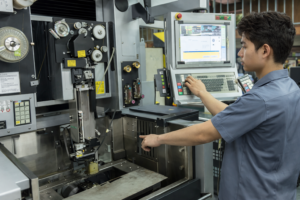
はじめに 産業用機器では、ディスプレイ・サブシステムは、より広範なヒューマン・マシン・インターフェイス(HMI)の一部であり ...
はじめに 産業機器の設計において、ヒューマン・マシン・インターフェース(HMI)は、システムの使いやすさ、信頼性、メンテナンスに直接影響する。 ...

はじめに ヒューマン・マシン・インターフェース(HMI)は、現代の産業機器の標準的な構成要素となっている。ディスプレイにより、オペレーターは以下のことが可能になる。 ...
アプリケーションの詳細をお送りください。構成の方向性と次のステップを返信します。.