الكمبيوتر الشخصي اللوحي مقابل الكمبيوتر الصناعي: الاختلافات في البنية والتكامل
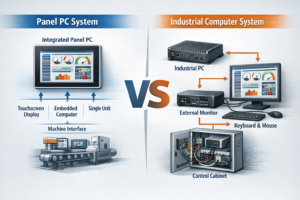
مقدمة في تصميم النظام الصناعي، يؤثر اختيار بنية الحوسبة المناسبة تأثيراً مباشراً على موثوقية النظام وتعقيد التكامل, ...
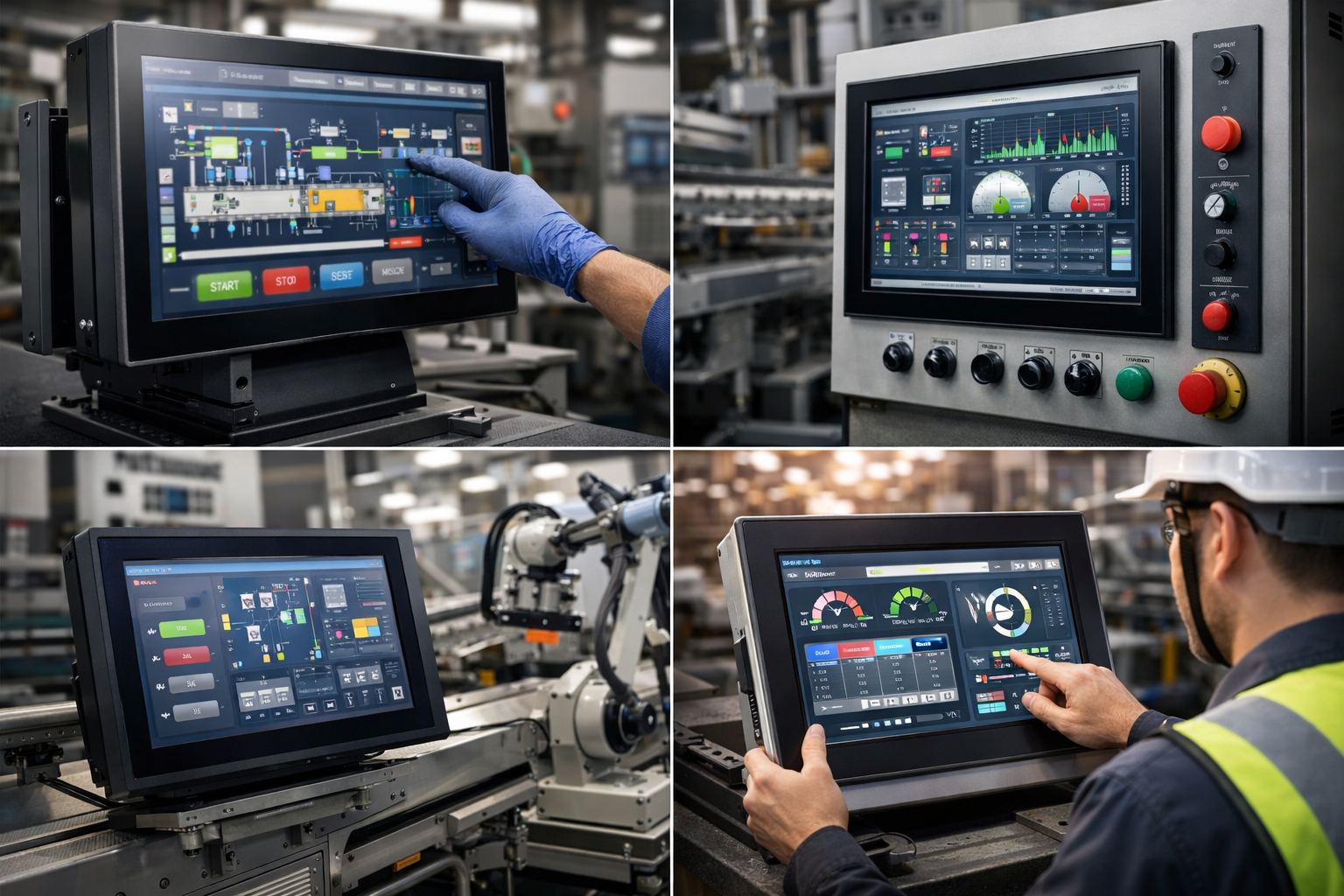
أصبحت الشاشات التي تعمل باللمس تقنية الواجهة الأساسية في الأتمتة الصناعية الحديثة.
لم تعد الشاشات التي تعمل باللمس اختيارية، بدءًا من لوحات التحكم في أرضية المصنع إلى واجهات إدارة الآلات المعقدة، بل أصبحت بالغة الأهمية للكفاءة والموثوقية وسهولة استخدام النظام.
تشرح هذه المقالة لماذا شاشات تعمل باللمس المسألة في الأتمتة الصناعية, وكيف تتفوق في أدائها على الواجهات التقليدية، وما الذي يجب على المهندسين مراعاته عند اختيار حل من الدرجة الصناعية.
الشاشة الصناعية التي تعمل باللمس هي واجهة عرض متينة مصممة للتشغيل المستمر في البيئات القاسية مثل:
على عكس الشاشات الاستهلاكية، صُممت الشاشات الصناعية التي تعمل باللمس من أجل:
وعادةً ما يدعمون اللمس المقاوم أو السعوي المسقط (PCAP), وخيارات تركيب متعددة، وواجهات صناعية مثل HDMI أو VGA أو DP أو USB.
تقلل شاشات اللمس بشكل كبير من الوقت اللازم للمشغلين للتفاعل مع الماكينات.
بدلاً من التنقل عبر الأزرار الفعلية أو لوحات المفاتيح الخارجية، يمكن للمشغلين:
وهذا يؤدي إلى أوقات استجابة أسرع وأخطاء تشغيلية أقل, خاصة في البيئات عالية الإنتاجية.
تتطلب لوحات التحكم التقليدية:
شاشات تعمل باللمس دمج جميع التفاعلات في واجهة واحدة, وتبسيط تصميم النظام وتقليل نقاط الفشل.
بالنسبة لخبراء تكامل الأنظمة، يعني ذلك:
تعرّض بيئات الأتمتة الصناعية المعدات إلى:
صُممت الشاشات الصناعية التي تعمل باللمس مع:
هذه الموثوقية ضرورية لـ 24/7 التشغيل الصناعي.
تعتمد أنظمة الأتمتة الحديثة بشكل كبير على برامج التصور ومنصات SCADA.
تتيح الشاشات التي تعمل باللمس:
هذا يجعل الأنظمة أكثر سهولة للمشغلين وأسهل في التوحيد القياسي عبر المنشآت.
على الرغم من أن الشاشات الصناعية التي تعمل باللمس قد تكون تكلفتها الأولية أعلى من الشاشات الاستهلاكية، إلا أنها توفر وفورات كبيرة على المدى الطويل:
لمشاريع الأتمتة الصناعية, التكلفة الإجمالية للملكية (TCO) يهم أكثر من السعر المبدئي.
تتطلب العديد من مشاريع الأتمتة مواصفات غير قياسية, مثل:
هذا هو السبب الذي يجعل مصنعي المعدات الأصلية وشركات تكامل الأنظمة تعمل غالبًا مع الشركات المصنعة لشاشات اللمس الصناعية بدلاً من المنتجات الاستهلاكية الجاهزة.
يقلل النهج المخصص من مخاطر التكامل ويضمن استقرار المشروع على المدى الطويل.
لم تعد الشاشات التي تعمل باللمس مجرد أجهزة عرض، بل هي أجهزة المكون الأساسي لأنظمة الأتمتة الصناعية.
إنها تتحسن:
مع استمرار تطور الأتمتة، ستبقى الواجهات التي تعمل باللمس تكنولوجيا المؤسسات عبر التطبيقات الصناعية.
إذا كنت تعمل على مشروع أتمتة صناعية وتحتاج إلى حل موثوق وطويل الأمد لشاشات اللمس, ، فمن الأهمية بمكان تقييم المتطلبات مبكرًا والعمل مع شركة تصنيع صناعية ذات خبرة.
[طلب عرض أسعار] أو [اتصل بنا] لمناقشة متطلبات طلبك.
مقدمة في تصميم النظام الصناعي، يؤثر اختيار بنية الحوسبة المناسبة تأثيراً مباشراً على موثوقية النظام وتعقيد التكامل, ...
مقدمة في المعدات الصناعية، يعد النظام الفرعي للعرض جزءًا من واجهة التفاعل بين الإنسان والآلة (HMI) الأوسع نطاقًا و ...
مقدمة في تصميم المعدات الصناعية، تؤثر الواجهة البينية بين الإنسان والآلة (HMI) بشكل مباشر على قابلية استخدام النظام وموثوقيته وصيانته ...

مقدمة أصبحت الواجهات بين الإنسان والآلة (HMIs) الآن مكونات قياسية في المعدات الصناعية الحديثة. تتيح شاشات العرض للمشغلين ...
أرسل تفاصيل طلبك. نرد عليك بتوجيهات التكوين والخطوات التالية.