블로그

AG vs AF vs AR Glass: Key Differences and Applications for Industrial Displays

게시됨: 1월 13, 2026
산업용 선택 가이드 통합 참고 사항
카테고리: 블로그 선택 가이드
cover glass treatment

In modern industrial and commercial display projects, glass surface treatment plays a critical role in readability, durability, and long-term usability.
Among the most commonly used solutions are AG (Anti-Glare), AF (Anti-Fingerprint), and AR (Anti-Reflective) glass treatments. Although they are often mentioned together, each serves a different technical purpose and application scenario.

This article explains the differences between AG, AF, and AR glass, how each treatment works, and how to select the right option for industrial displays in 2026.


What Is AG Glass (Anti-Glare Glass)?

https://www.electrooptics.com/sites/default/files/styles/content_banner/public/2024-06/Screenshot%202024-06-13%20103202%20Cropped.jpg?h=5752b3c4&itok=GrcSY2Iq

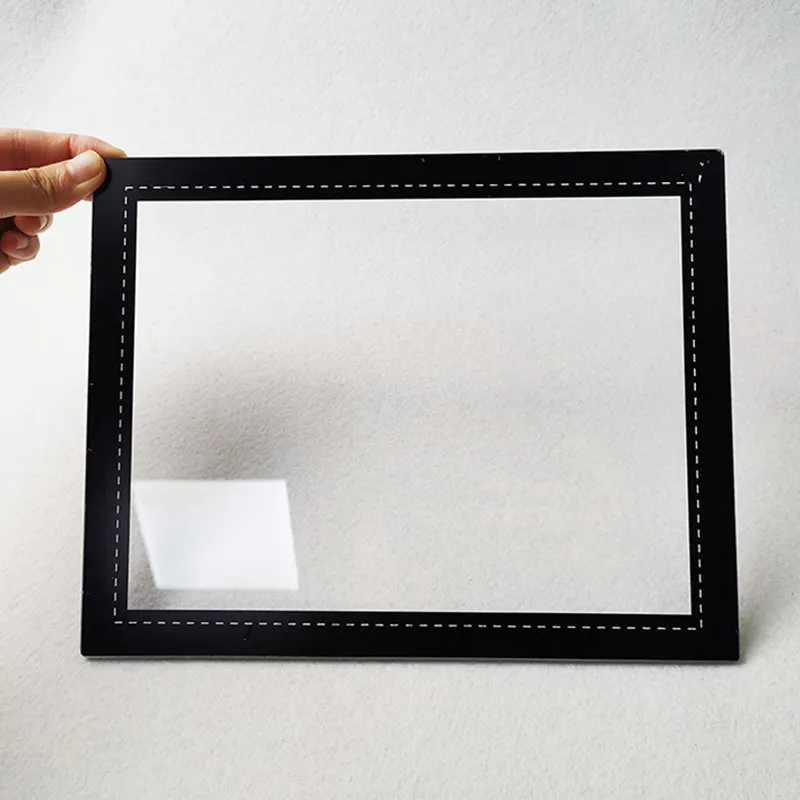
AG glass, also known as anti-glare glass, is designed to reduce surface reflection by diffusing incoming light. This is typically achieved through chemical etching or micro-texturing of the glass surface.

Instead of reflecting light directly like a mirror, AG glass scatters light in multiple directions, significantly reducing glare caused by sunlight or strong artificial lighting.

Key Characteristics of AG Glass

  • Reduces glare and mirror-like reflections
  • Improves readability in bright environments
  • Slightly lowers image sharpness due to light diffusion
  • Maintains stable performance under outdoor conditions

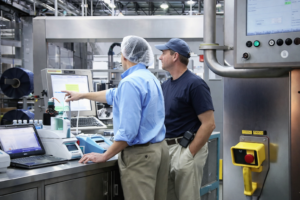
AG glass is widely used in outdoor and semi-outdoor industrial displays, where sunlight readability is more important than perfect image clarity.

Typical Applications of AG Glass

  • Outdoor kiosks
  • EV charging stations
  • Industrial HMI panels
  • Transportation and marine displays
  • Factory terminals with strong overhead lighting

What Is AF Glass (Anti-Fingerprint Glass)?

https://i5.walmartimages.com/asr/f5a017ef-84fb-4840-99a4-ac7b089ac595.6adad1fa4460b6fd65e20309f68dd673.jpeg?format=avif&odnBg=FFFFFF&odnDynImageQuality=10&odnHeight=768&odnWidth=768

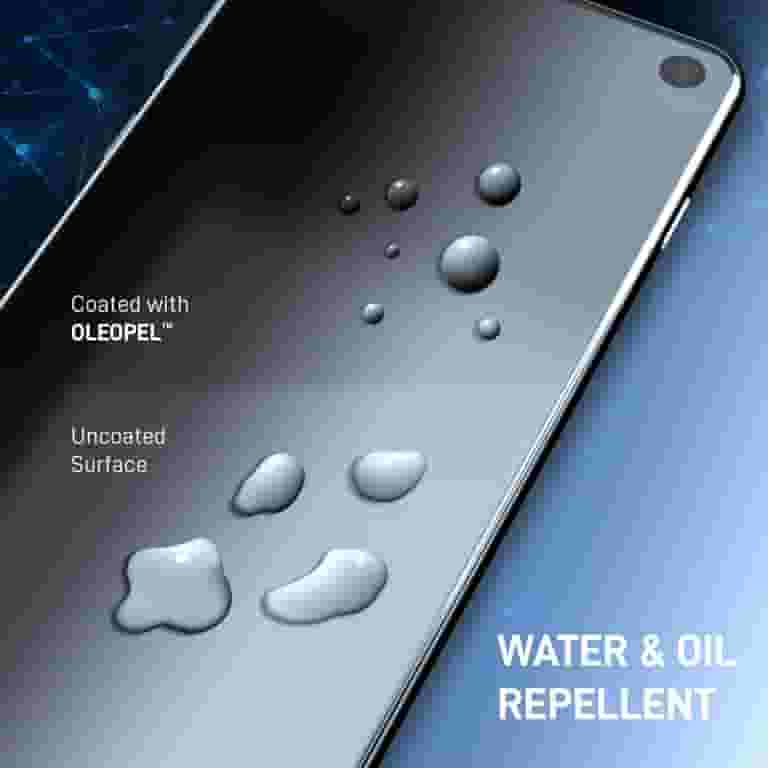
AF glass, or anti-fingerprint glass, is coated with an oleophobic layer that repels oils, moisture, and dirt. The primary purpose of AF treatment is not glare reduction, but surface cleanliness and ease of maintenance.

AF coatings reduce fingerprint visibility and allow smudges to be removed more easily, keeping the display surface clean even in high-touch environments.

Key Characteristics of AF Glass

  • Reduces fingerprints, oil marks, and smudges
  • Improves touch smoothness
  • Easier and faster cleaning
  • Minimal impact on optical performance

AF glass is especially valuable in public or unattended systems, where frequent user interaction would otherwise lead to poor visual appearance and higher maintenance costs.

Typical Applications of AF Glass

  • Self-service kiosks
  • Payment terminals
  • Medical touch displays
  • Public information systems
  • Industrial control panels with frequent operation

AF glass is commonly combined with AG or AR, rather than used alone.


What Is AR Glass (Anti-Reflective Glass)?

https://prodisplay.com/wp-content/uploads/2022/02/anti-reflective-glass.jpg

AR glass, or anti-reflective glass, uses multi-layer optical coatings to minimize surface reflection by controlling light interference. Unlike AG glass, AR glass reduces reflection without diffusing light, preserving image sharpness and contrast.

High-quality AR coatings can reduce reflectance to below 1–2%, making the display appear clearer and more vivid even under strong ambient lighting.

Key Characteristics of AR Glass

  • Extremely low reflection
  • Excellent image clarity and contrast
  • No grainy or diffused surface effect
  • Higher cost compared to AG or AF

AR glass is often used in high-brightness or premium display systems, especially when optical performance is a top priority.

Typical Applications of AR Glass

  • High-brightness outdoor displays
  • Control rooms and monitoring systems
  • Vision and inspection equipment
  • Premium commercial displays
  • Optically bonded industrial monitors

AG vs AF vs AR Glass: Practical Comparison

기능AG GlassAF GlassAR Glass
Glare Reduction높음LowVery High
Fingerprint ResistanceLowVery HighMedium
Image SharpnessMedium높음Very High
Outdoor Suitability높음MediumVery High
Cost LevelLowLow–Medium높음

Each treatment addresses a different technical problem, and none of them should be considered a universal solution.


Can AG, AF, and AR Glass Be Combined?

Yes. In modern industrial display projects, combination treatments are increasingly common.

Common Glass Treatment Combinations

  • AG + AF: Outdoor touch screens with frequent user interaction
  • AR + AF: High-clarity displays that require clean surfaces
  • AG + AR + AF: Premium outdoor or custom industrial systems

When combining treatments, coating compatibility and durability must be carefully engineered to avoid optical conflicts or reduced lifespan.


How to Choose the Right Glass Treatment for Industrial Displays

Selecting the correct glass treatment depends on application environment and usage conditions, not just specifications.

Key Factors to Consider

  • Indoor or outdoor installation
  • Exposure to direct sunlight
  • Frequency of user interaction
  • Image clarity requirements
  • Maintenance expectations

General Selection Guidelines

  • Outdoor kiosks and EV chargers: AG + AF
  • High-brightness outdoor displays: AR + AF
  • Factory HMIs: AG
  • Medical or clean environments: AF + AR
  • Premium commercial systems: AR + AF

Conclusion

AG, AF, and AR glass treatments each serve a distinct purpose in industrial display design.
Understanding their differences helps engineers and procurement teams make informed decisions that improve readability, durability, and long-term performance.

Rather than choosing a glass treatment in isolation, it should be evaluated together with display brightness, touch technology, optical bonding, and environmental conditions to achieve the best overall system performance.

관련 게시물

연락처

엔지니어링 검토를 받을 준비가 되셨나요?

애플리케이션 및 주요 요구 사항 공유 터치 모니터 또는 패널 PC. 엔지니어가 타당성과 위험성을 검토하고 올바른 구성 방향을 추천해 드립니다.

OEM/ODM 및 통합 프로젝트에 가장 적합합니다. 일반적으로 영업일 기준 1일(GMT+8) 이내에 응답합니다.
RFQ에는 크기/밝기, 인터페이스 목록, 장착, 작동 온도, 목표 배송 날짜(긴급한 경우)를 포함해 주세요.