دليل مشتري موردي شاشات العرض الصناعية لمعدات تصنيع المعدات الأصلية

مقدمة أصبحت الواجهات بين الإنسان والآلة (HMIs) الآن مكونات قياسية في المعدات الصناعية الحديثة. تتيح شاشات العرض للمشغلين ...
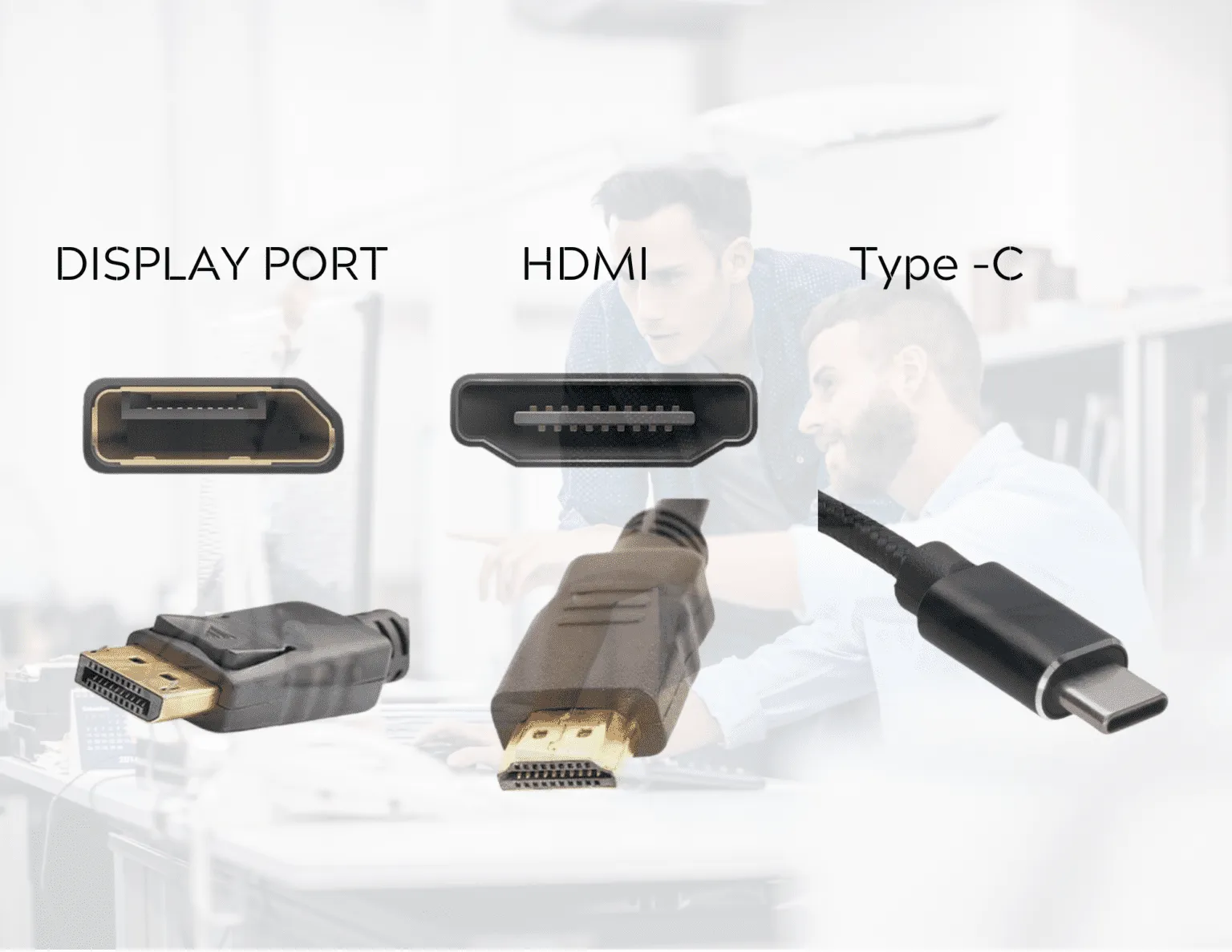
تعد واجهات العرض جزءًا أساسيًا من تصميم نظام العرض الصناعي.
في العديد من الأنظمة المدمجة، تحدد واجهة العرض كيفية اتصال وحدة التحكم بالرسومات بلوحة العرض ومدى موثوقية أداء هذا الاتصال على مدى عمر الجهاز.
من الناحية التاريخية، كان اختيار واجهة العرض هو قرار التوافق بشكل أساسي. فالواجهة المختارة كانت تحتاج ببساطة إلى مطابقة إخراج الفيديو الذي توفره وحدة التحكم المضيفة أو الكمبيوتر المدمج.
غيرت المعدات الصناعية الحديثة هذا الافتراض.
يتم الآن دمج شاشات العرض الصناعية في أنظمة مثل:
تعمل هذه الأنظمة في بيئات مختلفة تمامًا عن الإلكترونيات الاستهلاكية. يجب أن تعمل واجهات العرض الصناعية بشكل موثوق في ظل ظروف قد تشمل الضوضاء الكهربائية، ودورات حياة طويلة للمنتجات، ومنصات إنتاج تبقى دون تغيير لسنوات عديدة.
ونتيجة لذلك، فإن الاختيار بين HDMI و DisplayPort (DP) و USB-C يتطلب أكثر من مقارنة الدقة المدعومة أو توفر الموصلات.
يجب أن يأخذ مصممو النظام في الاعتبار أيضاً:
يساعد فهم كيفية عمل هذه الواجهات في البيئات الصناعية المهندسين على تقليل مخاطر التكامل والحفاظ على موثوقية النظام طوال دورة حياة المنتج.
يلخص الجدول أدناه الخصائص الرئيسية لهذه الواجهات عند استخدامها في أنظمة العرض الصناعية.
| الواجهة | الاستخدام الصناعي النموذجي | المزايا | الاعتبارات الهندسية |
|---|---|---|---|
| HDMI | الشاشات الصناعية، والأكشاك، والأنظمة المدمجة | توافق واسع النطاق، مكونات متوفرة على نطاق واسع | عادةً لا يوجد موصل قفل |
| منفذ العرض | محطات التحكم، ومحطات العمل متعددة الشاشات | نقل عرض النطاق الترددي العالي والعرض المنظم | مسافة كابل أقصر |
| USB-C (وضع DP Alt Mode) | الحواسيب اللوحية والمنصات المدمجة المدمجة | كابل واحد للفيديو وUSB والطاقة | يتطلب التحقق من التوافق الصارم |
في العديد من الأنظمة الصناعية، يتأثر اختيار الواجهة بشكل أكبر بما يلي اعتبارات استقرار التكامل ودورة الحياة من عرض النطاق الترددي الخام.
على الرغم من أن HDMI و DisplayPort و USB-C جميعها تربط مصادر الرسومات بشاشات العرض، إلا أنها تنشأ من أهداف تصميم وبنى تقنية مختلفة.
تم تطوير HDMI (واجهة الوسائط المتعددة عالية الوضوح) في الأصل لنقل الفيديو والصوت الرقمي في الأجهزة الإلكترونية الاستهلاكية.
ومع مرور الوقت، أصبحت مدعومة على نطاق واسع عبر منظومة واسعة تشمل
وبسبب هذا التوافق الواسع النطاق، يتم استخدام HDMI بشكل متكرر في الشاشات الصناعية و شاشات اللمس الصناعية حيث يكون توافر المكونات وقابلية التشغيل البيني للنظام أمرًا مهمًا.
تتضمن العديد من الشاشات الصناعية واجهة HDMI كواجهة قياسية لسهولة الحصول على الكابلات والمحولات.
تم تصميم DisplayPort بشكل أساسي لأنظمة عرض الكمبيوتر وبيئات محطات العمل.
على عكس HDMI، التي تطورت من الإلكترونيات الاستهلاكية، تم تصميم DisplayPort خصيصًا لأنظمة معالجة الرسومات. وهي توفر نطاقاً ترددياً عالياً وبنية نقل بيانات قائمة على الحزم.
في البيئات الصناعية، غالبًا ما يتم استخدام DisplayPort في التطبيقات التي تتطلب:
يوجد DisplayPort بشكل شائع في الحواسيب الشخصية الصناعية وأنظمة الحواسيب الشخصية, خاصة عند الحاجة إلى شاشات عرض متعددة.
يختلف USB-C عن HDMI و DisplayPort لأنه في المقام الأول مواصفات الموصل, ، وليس بروتوكول عرض.
يتم تنفيذ نقل الفيديو عبر USB-C عادةً باستخدام وضع DisplayPort البديل (الوضع البديل DP Alt Mode). يسمح ذلك لموصل USB-C بحمل إشارات DisplayPort إلى جانب توصيل بيانات USB وتوصيل الطاقة.
في بعض الأنظمة، يمكن أن يوفر كابل USB-C واحد:
في حين أن هذه البنية يمكن أن تبسط تصميم الأجهزة، إلا أنها تقدم أيضًا تعقيدًا إضافيًا في تكامل النظام وإدارة التوافق.
على الرغم من أن هذه الواجهات تؤدي وظيفة متشابهة، إلا أن تقنياتها الأساسية تؤثر على كيفية عملها في عمليات النشر الصناعية.
استخدامات HDMI الإشارات التفاضلية المصغرة الانتقالية (TMDS) لنقل الفيديو الرقمي.
مع مرور الوقت، زادت العديد من إصدارات HDMI من عرض النطاق الترددي المتاح والدقة المدعومة.
إحدى المزايا الرئيسية لـ HDMI في الأنظمة الصناعية هي نضج النظام البيئي. فهناك مجموعة كبيرة من المكونات والكابلات والمحولات ووحدات التحكم المدمجة التي تدعم مخرج HDMI.
ومع ذلك، يمكن أن تؤثر اختلافات التنفيذ بين مجموعات الشرائح في بعض الأحيان:
في المعدات الصناعية ذات دورات الإنتاج الطويلة، قد تتطلب هذه الاختلافات التحقق الإضافي من الصحة عند حدوث مراجعات للأجهزة.
يستخدم DisplayPort نقل البيانات في حزم بدلاً من دفق فيديو مستمر.
توفر هذه البنية العديد من المزايا لأنظمة الرسومات:
بالنسبة للأنظمة الصناعية التي يتم فيها تركيب كابلات العرض بشكل دائم وتبقى بنية النظام ثابتة، غالباً ما توفر DisplayPort سلوك إشارة مستقر.
ومن المزايا العملية الأخرى توافر موصلات القفل, والتي يمكن أن تحسن الموثوقية الميكانيكية في المعدات المعرضة للاهتزاز.
يقدم USB-C بنية مرنة حيث يمكن التفاوض على أنواع متعددة من الإشارات من خلال الموصل المادي نفسه.
تتضمن هذه الوظائف ما يلي:
يجب أن يتفاوض النظام على هذه الإمكانيات عند إنشاء الاتصال.
من من منظور هندسي، هذا يعني أن سلوك شاشة USB-C يعتمد على عدة عوامل:
قد يبدو منفذا USB-C متطابقين خارجياً بينما يدعمان قدرات مختلفة داخلياً.
بالنسبة للمعدات الصناعية ذات الدورات العمرية الطويلة، يجب إدارة هذا التباين بعناية.
يتطلب اختيار واجهة عرض للأنظمة الصناعية تقييم عدة عوامل هندسية عملية تتجاوز مواصفات عرض النطاق الترددي.
غالباً ما تبقى المعدات الصناعية في الإنتاج أو الخدمة لسنوات عديدة.
خلال هذا الوقت، قد تحدث مراجعات للأجهزة وتغييرات في الموردين واستبدال المكونات. يمكن للواجهات ذات السلوك الأبسط والأكثر قابلية للتنبؤ أن تقلل من مخاطر التكامل عبر مراجعات المنتج.
تشمل الخصائص النموذجية ما يلي:
تشمل البيئات الصناعية في كثير من الأحيان معدات مثل:
تولد هذه الأجهزة تداخلًا كهرومغناطيسيًا يمكن أن يؤثر على سلامة الإشارة.
يعتمد أداء العرض الموثوق به على عوامل تشمل:
على الرغم من أن جميع الواجهات الثلاث تستخدم إشارات تفاضلية، إلا أن أنظمة USB-C قد تكون أكثر حساسية للتوافق مع مواصفات الكابل لأن البروتوكولات المتعددة تشترك في نفس الاتصال.
غالبًا ما يكون توجيه الكابلات داخل المعدات الصناعية مقيدًا بمساحة الضميمة، أو التجميعات المفصلية، أو الأذرع الميكانيكية المتحركة.
تتراوح نطاقات الكابلات السلبية النموذجية المستخدمة في الأنظمة الصناعية تقريباً:
| الواجهة | نطاق الكابل السلبي النموذجي |
|---|---|
| HDMI | 3-10 أمتار |
| منفذ العرض | 2-5 أمتار |
| USB-C (وضع DP Alt Mode) | 1-2 متر |
تتطلب المسافات الأطول عادةً الكابلات النشطة أو أجهزة تمديد الإشارة.
تُعد الموثوقية الميكانيكية من الاعتبارات المهمة في البيئات الصناعية حيث قد تتعرض المعدات للاهتزاز أو الصيانة أو حركة الكابلات.
تشمل الخصائص النموذجية ما يلي:
يضيف المهندسون أحيانًا تخفيف الضغط أو مشابك الكابلات لتحسين استقرار الاتصال.
في العديد من أنظمة شاشات العرض الصناعية التي تعمل باللمس، تكون واجهة العرض جزءًا فقط من بنية الاتصال الشاملة.
تتواصل وحدات التحكم باللمس عادةً من خلال USB.
ونتيجة لذلك، تستخدم العديد من شاشات العرض الصناعية التي تعمل باللمس وصلتين:
يمكن أن يجمع USB-C هذه الوظائف في كابل واحد عند تنفيذه بشكل صحيح. ومع ذلك، يتطلب ذلك دعم مضيف متناسق وتكوينات كبلات تم التحقق من صحتها.
بعض حلول عرض مصنعي المعدات الأصلية المخصصة دمج محاور USB الداخلية أو وحدات التحكم المدمجة لتبسيط توصيلات النظام.
تميل واجهات العرض المختلفة إلى ملاءمة فئات مختلفة من المعدات الصناعية.
يشيع استخدام HDMI في:
وتتمثل مزاياه الرئيسية في التوافق وتوافر المكونات.
غالباً ما يتم اختيار DisplayPort لـ
تستفيد هذه التركيبات من عرض النطاق الترددي لـ DisplayPort ونقل العرض المنظم.
يتم استخدام USB-C بشكل متزايد في:
يمكن أن تؤدي القدرة على الجمع بين إشارات الطاقة والبيانات والفيديو إلى تبسيط بنية النظام عندما يتم التحكم في توافق الأجهزة بشكل جيد.
قبل اختيار واجهة العرض، يجب على المهندسين تقييم العوامل التالية:
يمكن أن يؤدي النظر في هذه العوامل في وقت مبكر من تصميم النظام إلى تقليل جهد التكامل وتحسين الموثوقية على المدى الطويل.
يعمل HDMI بشكل جيد عندما
تعمل DisplayPort بشكل جيد عندما
يعمل USB-C بشكل جيد عندما
توفر كل من HDMI و DisplayPort و USB-C حلولاً قابلة للتطبيق لتوصيل الشاشات الصناعية، ولكنها تعكس أولويات تصميم مختلفة.
يوفر HDMI توافقاً واسعاً وسهولة في التوريد.
توفر DisplayPort أداءً مستقراً في المنشآت الصناعية الثابتة.
يتيح USB-C إمكانية الاتصال المدمج متعدد الوظائف ولكنه يتطلب التحقق الدقيق من التوافق.
بالنسبة لمصنعي المعدات الأصلية ومصممي الأنظمة، عادةً ما يكون خيار الواجهة الأكثر موثوقية هو الخيار الذي يقدم أقل قدر من عدم اليقين داخل بنية النظام.
نعم، يستخدم HDMI على نطاق واسع في الأنظمة الصناعية بسبب توافقه ودعمه للنظام البيئي.
غالباً ما يوفر DisplayPort إخراجاً ثابتاً عالي الدقة ويدعم تكوينات الشاشات المتعددة.
في بعض الأنظمة الخاضعة للرقابة يمكن ذلك. USB-C مع الوضع البديل لـ DisplayPort يمكن أن يجمع بين اتصال الفيديو و USB.
معظمها يفعل ذلك. تتصل وحدات التحكم باللمس عادةً من خلال USB.
مقدمة أصبحت الواجهات بين الإنسان والآلة (HMIs) الآن مكونات قياسية في المعدات الصناعية الحديثة. تتيح شاشات العرض للمشغلين ...
مقدمة كثيرًا ما يتم نشر شاشات العرض الصناعية في البيئات التي يصعب فيها التحكم في ظروف الإضاءة. المعدات ...
مقدمة تُعد شاشات العرض مكونًا هامًا للواجهة في العديد من أنواع المعدات الصناعية. فهي توفر النظام ...
مقدمة تعتبر رؤية الشاشة معلمة تصميم بالغة الأهمية في المعدات الصناعية. يعتمد المشغلون على الواجهات الرسومية ...
أرسل تفاصيل طلبك. نرد عليك بتوجيهات التكوين والخطوات التالية.