الكمبيوتر الشخصي اللوحي مقابل الكمبيوتر الصناعي: الاختلافات في البنية والتكامل
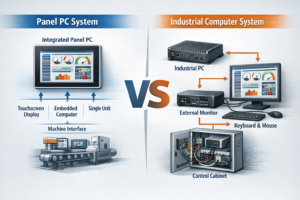
مقدمة في تصميم النظام الصناعي، يؤثر اختيار بنية الحوسبة المناسبة تأثيراً مباشراً على موثوقية النظام وتعقيد التكامل, ...
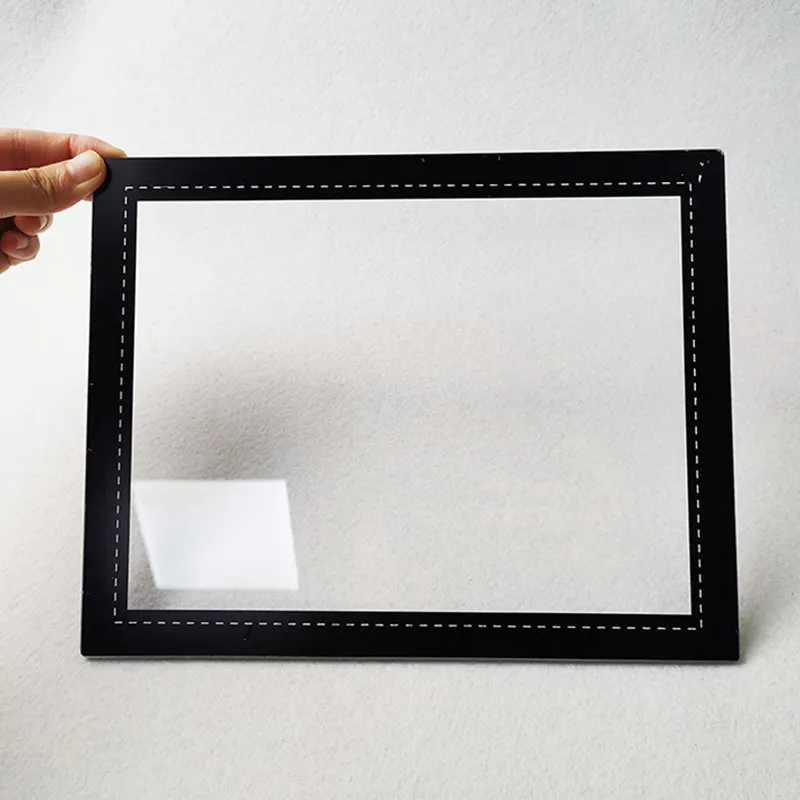
في مشاريع شاشات العرض الصناعية والتجارية الحديثة، تلعب المعالجة السطحية للزجاج دورًا حاسمًا في سهولة القراءة والمتانة وسهولة الاستخدام على المدى الطويل.
من بين الحلول الأكثر استخدامًا معالجات زجاج AG (مضاد للتوهج) و AF (مضاد للبصمة) و AR (مضاد للانعكاس). على الرغم من أنهما غالبًا ما يتم ذكرهما معًا، إلا أن كل منهما يخدم غرضًا تقنيًا وسيناريو تطبيق مختلفًا.
تشرح هذه المقالة الاختلافات بين زجاج AG و AF و AR, وكيفية عمل كل علاج، وكيفية تحديد الخيار المناسب للعروض الصناعية في عام 2026.
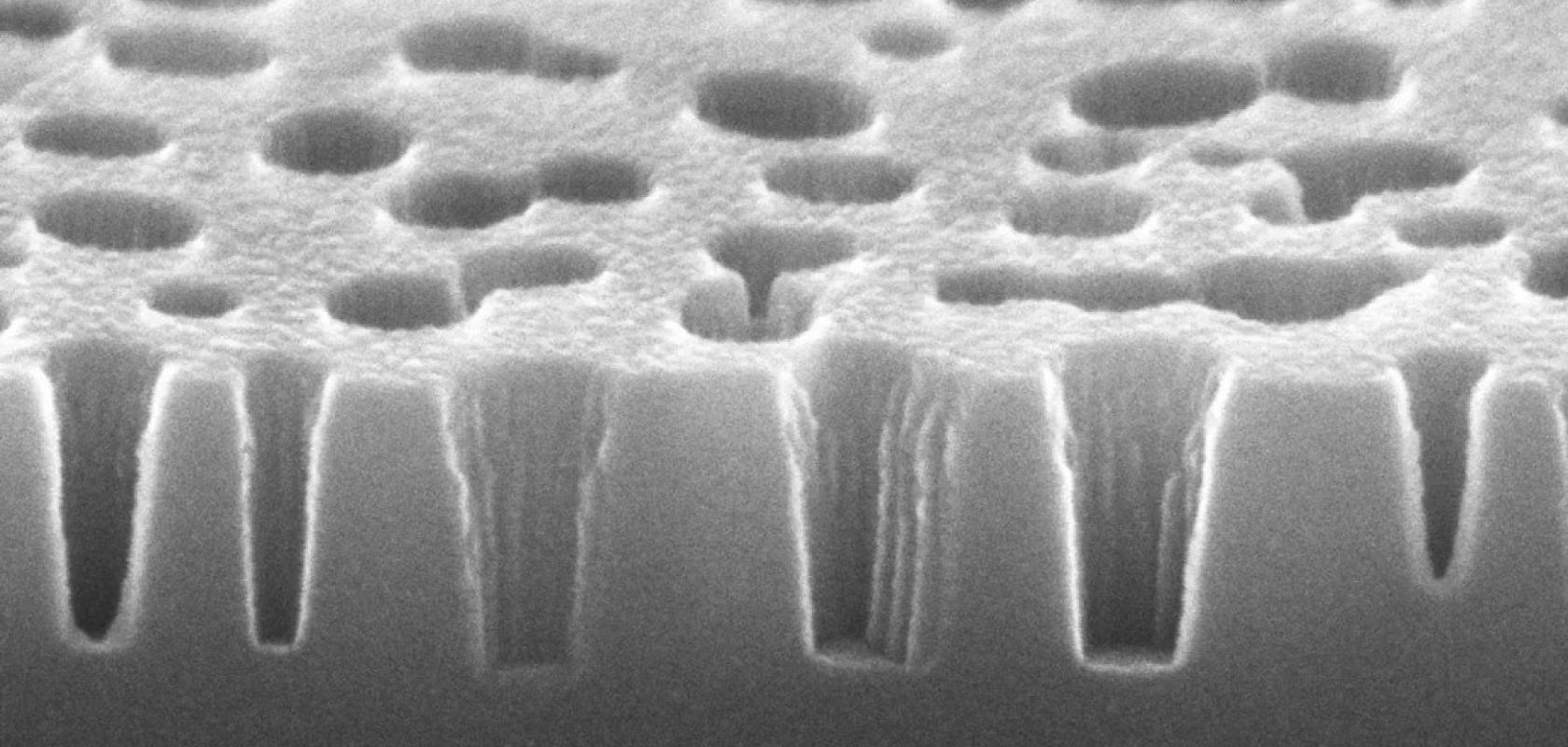
زجاج AG, يُعرف أيضًا بالزجاج المضاد للوهج، وهو مصمم لتقليل انعكاس السطح عن طريق نشر الضوء الوارد. ويتم تحقيق ذلك عادةً من خلال الحفر الكيميائي أو التركيب الدقيق للسطح الزجاجي.
بدلاً من عكس الضوء مباشرةً مثل المرآة، يعمل زجاج AG على تشتيت الضوء في اتجاهات متعددة، مما يقلل بشكل كبير من الوهج الناجم عن أشعة الشمس أو الإضاءة الاصطناعية القوية.
يُستخدم زجاج AG على نطاق واسع في شاشات العرض الصناعية الخارجية وشبه الخارجية, حيث تكون إمكانية القراءة تحت أشعة الشمس أكثر أهمية من وضوح الصورة المثالي.
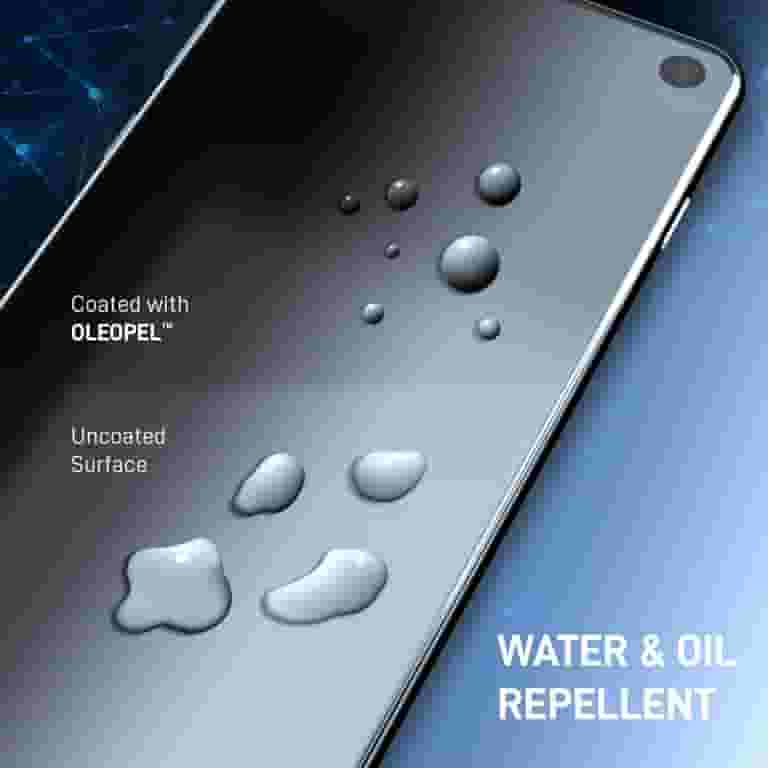
زجاج AF, أو الزجاج المضاد لبصمات الأصابع، مطلي بمادة طبقة طاردة للزيوت التي تطرد الزيوت والرطوبة والأوساخ. لا يتمثل الغرض الأساسي من علاج AF في تقليل الوهج، ولكن نظافة السطح وسهولة الصيانة.
يقلل طلاء AF من ظهور بصمات الأصابع ويسمح بإزالة البقع بسهولة أكبر، مما يحافظ على نظافة سطح الشاشة حتى في البيئات التي تكثر فيها بصمات الأصابع.
زجاج AF ذو قيمة خاصة في الأنظمة العامة أو غير المراقبة, حيث قد يؤدي تفاعل المستخدم المتكرر إلى ضعف المظهر المرئي وارتفاع تكاليف الصيانة.
عادةً ما يكون زجاج AF مع AG أو AR, بدلاً من استخدامها بمفردها.

زجاج بالواقع المعزز, أو الزجاج المضاد للانعكاس، يستخدم طلاءات بصرية متعددة الطبقات لتقليل انعكاس السطح من خلال التحكم في تداخل الضوء. على عكس زجاج AG، يقلل زجاج AR من الانعكاس دون نشر الضوء, مع الحفاظ على وضوح الصورة وتباينها.
يمكن لطلاءات الواقع المعزز عالية الجودة أن تقلل من الانعكاس إلى أقل من 1-2%, مما يجعل الشاشة تبدو أكثر وضوحاً وحيوية حتى في ظل الإضاءة المحيطة القوية.
غالبًا ما يُستخدم زجاج الواقع المعزز في أنظمة عرض عالية السطوع أو متميزة, ، خاصةً عندما يكون الأداء البصري أولوية قصوى.
| الميزة | زجاج AG | زجاج AF | زجاج AR |
|---|---|---|---|
| تقليل الوهج | عالية | منخفضة | عالية جداً |
| مقاومة البصمات | منخفضة | عالية جداً | متوسط |
| وضوح الصورة | متوسط | عالية | عالية جداً |
| الملاءمة في الهواء الطلق | عالية | متوسط | عالية جداً |
| مستوى التكلفة | منخفضة | منخفضة-متوسطة | عالية |
يعالج كل علاج يعالج مشكلة تقنية مختلفة, ، ولا ينبغي اعتبار أي منها حلاً شاملاً.
نعم، في مشاريع العرض الصناعية الحديثة, العلاجات المركبة شائعة بشكل متزايد.
عند الجمع بين المعالجات، يجب تصميم توافق الطلاء ومتانته بعناية لتجنب التعارض البصري أو انخفاض العمر الافتراضي.
يعتمد اختيار المعالجة الزجاجية الصحيحة على بيئة التطبيق وظروف الاستخدام, وليس فقط المواصفات.
تخدم كل من معالجات زجاج AG و AF و AR غرضًا مميزًا في تصميم شاشات العرض الصناعية.
يساعد فهم الاختلافات بينهما المهندسين وفرق المشتريات على اتخاذ قرارات مستنيرة تحسّن من سهولة القراءة والمتانة والأداء على المدى الطويل.
بدلاً من اختيار معالجة زجاجية بمعزل عن غيرها، يجب تقييمها مع سطوع الشاشة وتقنية اللمس والترابط البصري والظروف البيئية لتحقيق أفضل أداء عام للنظام.
مقدمة في تصميم النظام الصناعي، يؤثر اختيار بنية الحوسبة المناسبة تأثيراً مباشراً على موثوقية النظام وتعقيد التكامل, ...
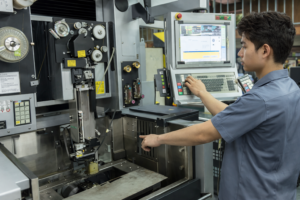
مقدمة في المعدات الصناعية، يعد النظام الفرعي للعرض جزءًا من واجهة التفاعل بين الإنسان والآلة (HMI) الأوسع نطاقًا و ...
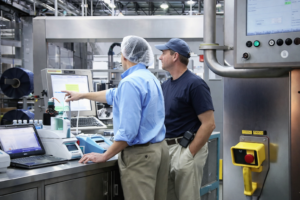
مقدمة في تصميم المعدات الصناعية، تؤثر الواجهة البينية بين الإنسان والآلة (HMI) بشكل مباشر على قابلية استخدام النظام وموثوقيته وصيانته ...
مقدمة أصبحت الواجهات بين الإنسان والآلة (HMIs) الآن مكونات قياسية في المعدات الصناعية الحديثة. تتيح شاشات العرض للمشغلين ...
أرسل تفاصيل طلبك. نرد عليك بتوجيهات التكوين والخطوات التالية.