Industrial Display Applications for OEM Equipment
Industrial displays are integrated into a wide range of OEM equipment, from public-use infrastructure and machine control systems to self-service terminals and harsh-environment installations. Different application contexts require different approaches to readability, touch usability, enclosure fit, protection, and long-term program continuity.
Application Areas
For industrial equipment programs, it is often more useful to group deployments by operating context rather than by broad market label alone. This helps clarify what matters at the integration stage, from brightness and touch behavior to sealing, structure, and service life planning.
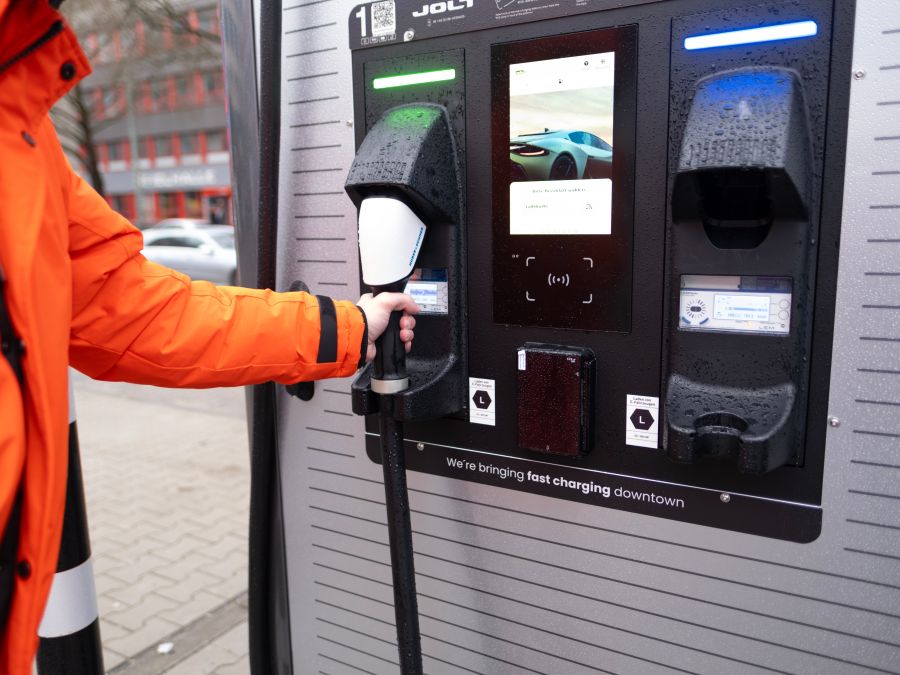
Energy & Infrastructure
Examples: EV charging stations, parking terminals, fuel dispensers, public access equipment.
Key concerns: sunlight readability, sealed front design, glove or wet touch support, public-facing durability.
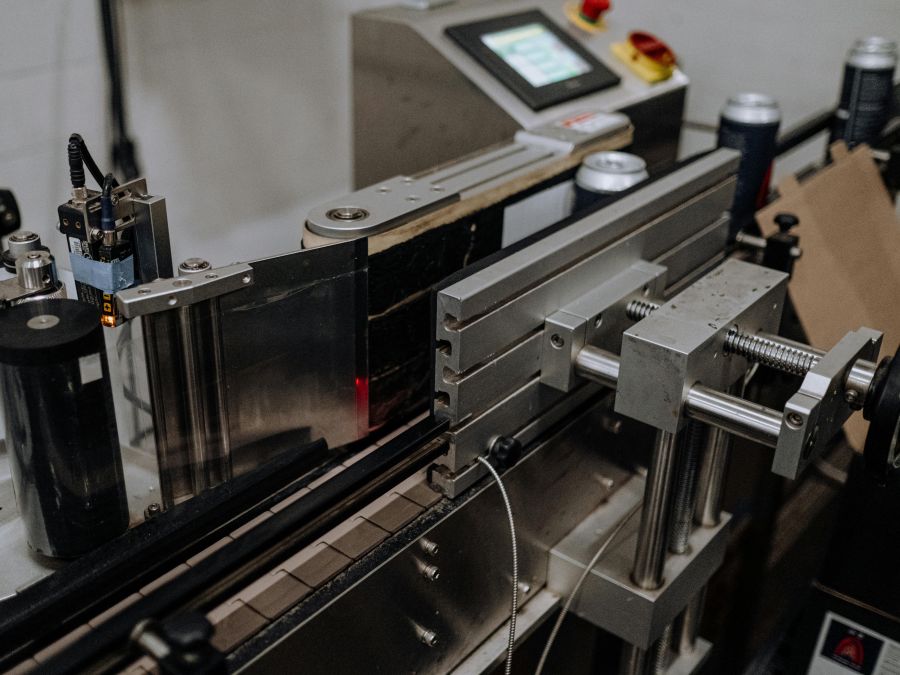
Industrial Automation
Examples: machine HMIs, control cabinets, production line terminals, industrial operator interfaces.
Key concerns: interface stability, enclosure compatibility, long operating hours, revision-controlled integration.
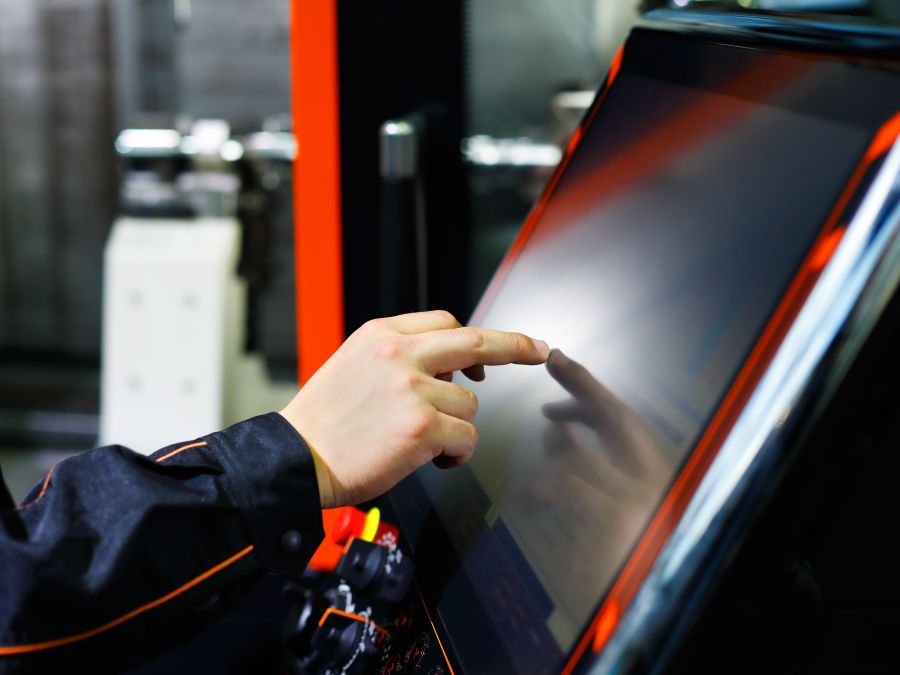
Self-Service Systems
Examples: kiosks, ticketing machines, smart lockers, check-in terminals, vending systems.
Key concerns: touch response, front-surface durability, continuous duty, service-friendly integration.
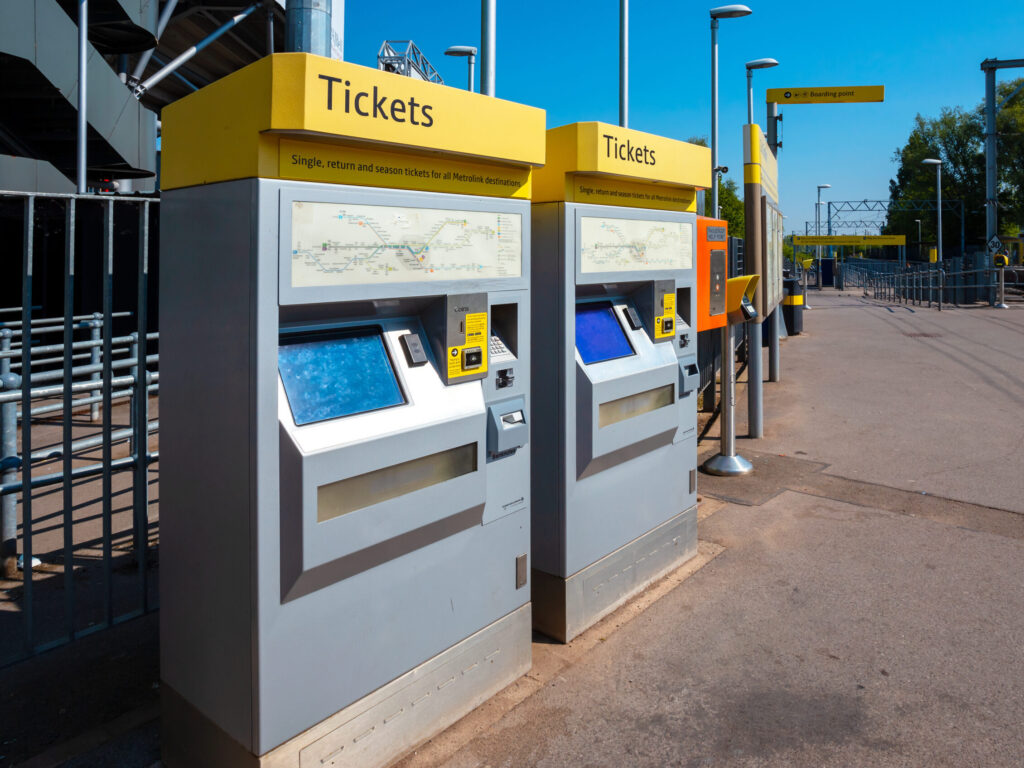
Outdoor & Harsh Environments
Examples: marine equipment, vehicle systems, outdoor industrial machines, exposed field installations.
Key concerns: high brightness, wide-temperature stability, rugged mechanics, moisture and vibration considerations.
Typical Display Requirements in Industrial Equipment
Although application types differ, most OEM equipment programs share one common principle: the display must function as part of a controlled system, not as a generic consumer-grade component.
Readability
Brightness and optical treatment selected according to indoor, semi-outdoor, or direct sunlight conditions.
Touch Usability
Touch behavior evaluated for bare finger, glove operation, moisture, and public-use interaction.
Mechanical Integration
Front glass, housing, mounting method, and cutout dimensions aligned with enclosure requirements.
Program Continuity
Long-term availability, revision control, and PCN handling planned for ongoing OEM production.
In practice, this means reviewing brightness level, touch tuning, sealing approach, interface type, thermal limits, and replacement planning before the display is released into a formal program.
Why Application Context Matters
Industrial displays are usually selected according to the real installation environment, not by screen size alone. The same size display may perform very differently depending on whether it is installed in a cabinet, a public terminal, or an exposed outdoor system.
For that reason, application review normally includes operating temperature, service access, front protection, visibility conditions, and expected duty cycle.
Outdoor Exposure
Sunlight, rain, UV, and daily temperature variation.
Mechanical Stress
Vibration, shock, repeated use, and front-surface impact risk.
Moisture and Dust
Humidity, condensation, ingress risk, and sealing requirements.
Service Access
24/7 duty cycles and limited field maintenance after installation.
Display Platforms Used in These Applications
The suitable platform depends on system architecture, interface requirements, environmental conditions, and whether computing is handled externally or integrated into the display unit.
Industrial Touch Monitors
Used where the display connects to an external host system and stable visual and touch performance is required.
Industrial Panel PCs
Used where display, touch interface, and computing platform are combined into one integrated system.
Sunlight Readable and Rugged Displays
Used where visibility, front protection, and environmental stability are more demanding than standard indoor deployments.
Engineering Review
Send your application details. We respond with configuration direction and next steps.