Industrial
Touch Screens,
Monitors &
Panel PCs
for OEM Equipment
We design and manufacture the touch, display, and computing solutions behind industrial machines, infrastructure systems, and public-facing equipment worldwide.
Share the details you already have. Early-stage requirements are welcome.
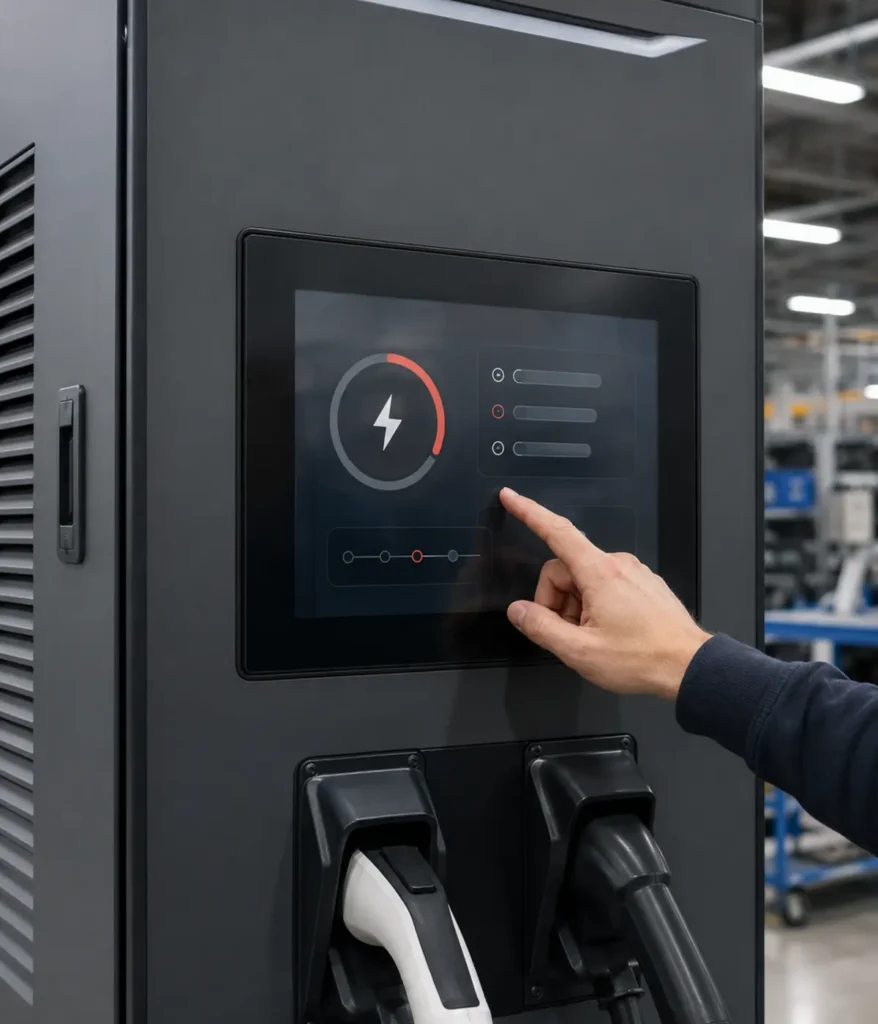
Industrial Touch, Display & Computing Solutions
Explore our core product families or start with a solution developed around your application.
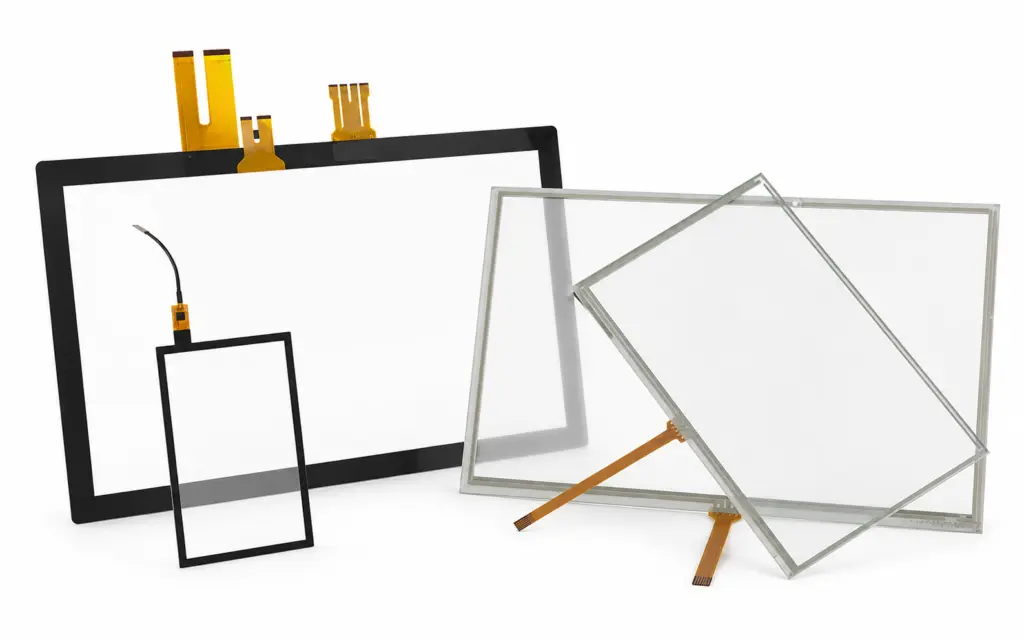
Industrial Touch Screens
PCAP and resistive touch screen assemblies for industrial displays, control panels, kiosks, and embedded equipment.
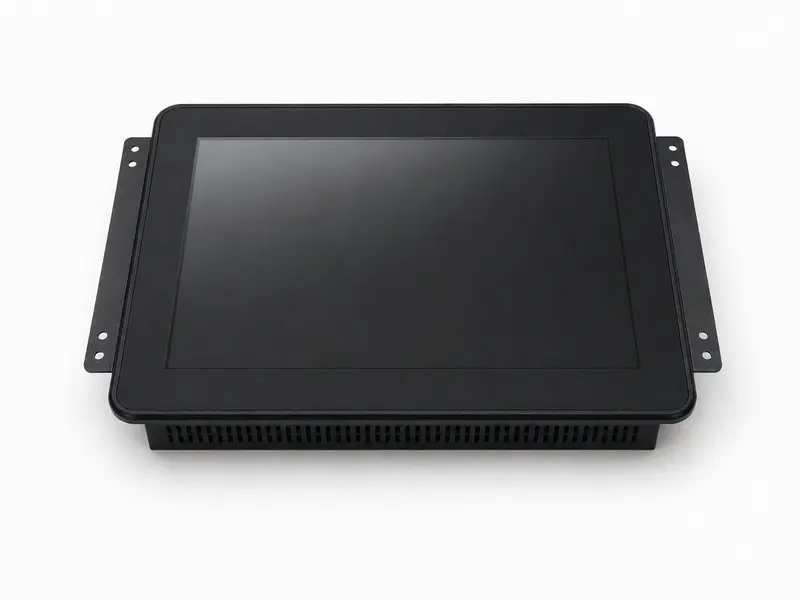
Industrial Touch Monitors
Open frame, panel mount, and VESA mount monitors for integration into machines, kiosks, chargers, and other OEM equipment.
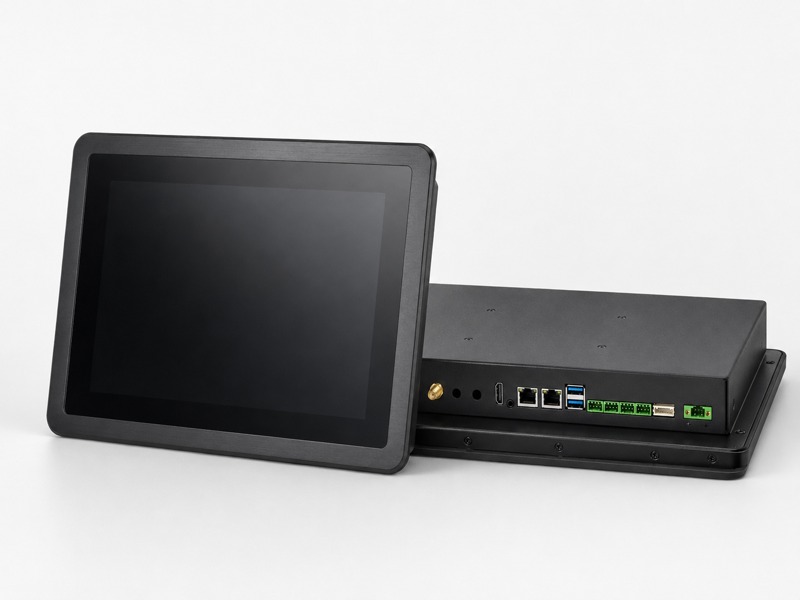
Industrial Panel PCs
Integrated touch computers for machine HMI, control cabinets, kiosks, and connected industrial equipment.
Specialized Display Solutions
For outdoor, harsh-environment, or application-specific projects that require more than a standard display configuration.

Rugged & Outdoor Displays
Sunlight-readable and protected display solutions for outdoor installations, public terminals, and demanding operating environments.
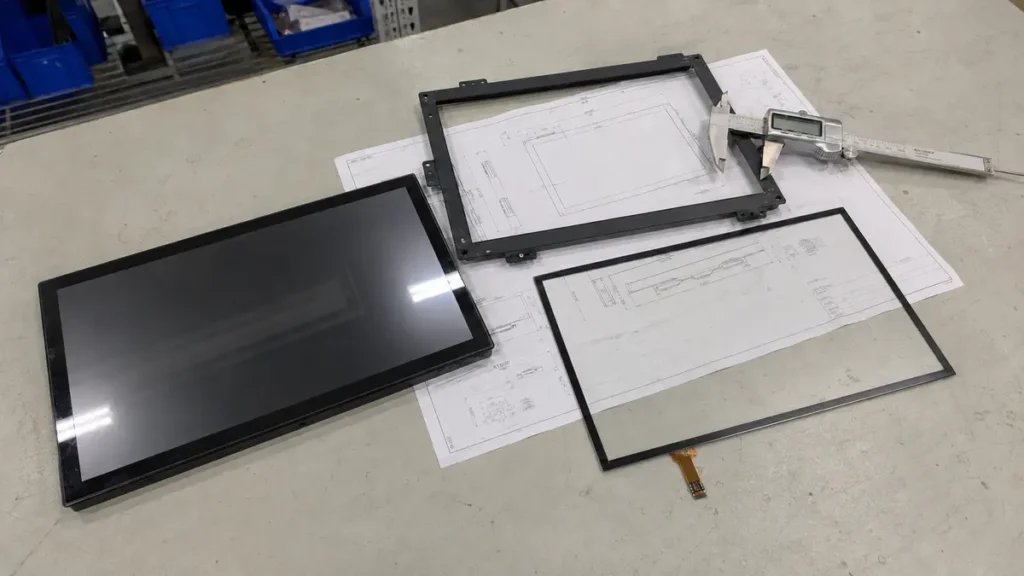
Custom OEM Display Projects
Display and touch solutions developed around your enclosure, glass design, interface, and operating requirements.
Not sure where to start? Share your application, preferred size, mounting method, and operating environment. We’ll help you identify the right starting point.
Built for Industry, Infrastructure & Public Systems
From factory equipment and EV chargers to kiosks and transportation systems, our touch, display, and computing solutions are developed around how each application works in the field.
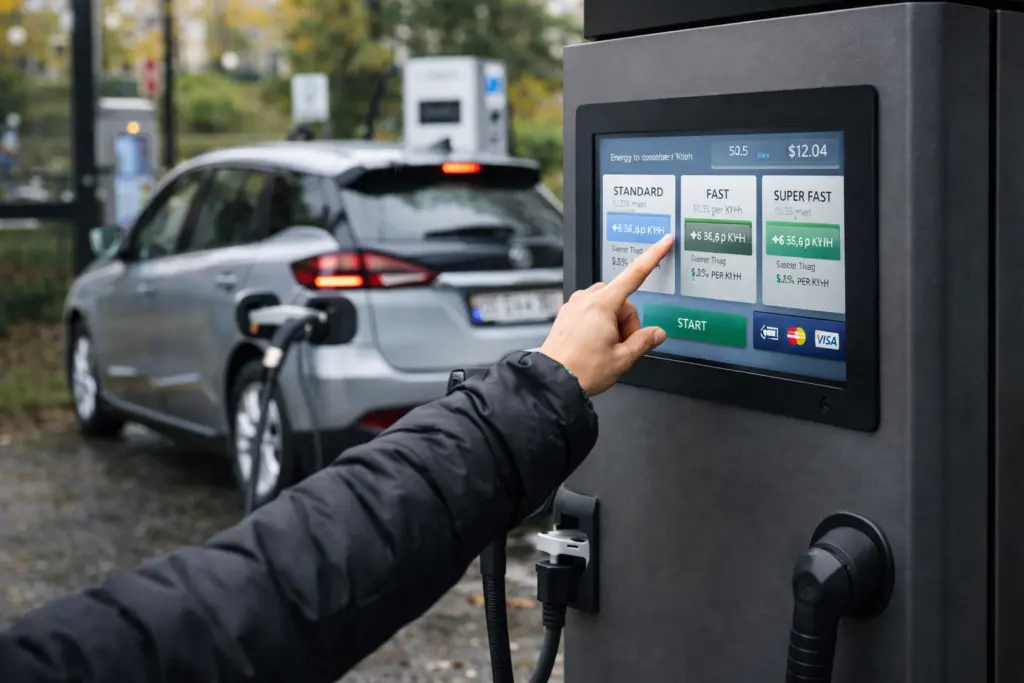
Energy & Infrastructure
Touch and display systems for EV chargers, energy terminals, outdoor cabinets, and other public infrastructure.
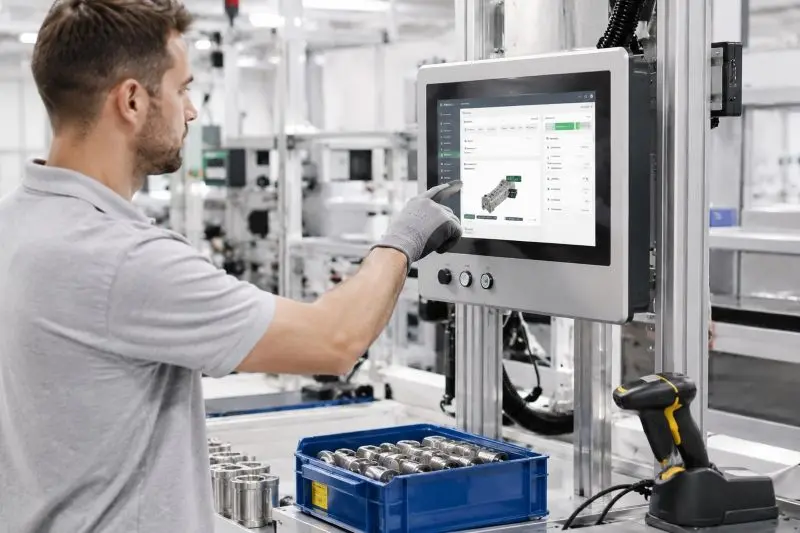
Industrial Automation
Touch monitors and panel PCs for machine controls, operator stations, production equipment, and industrial cabinets.
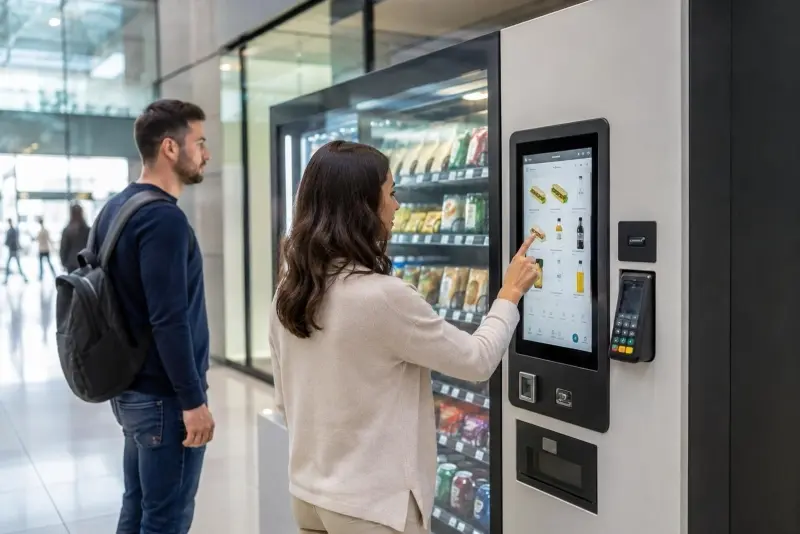
Self-Service & Kiosks
Touch screens, monitors, and panel PCs for kiosks, payment terminals, smart lockers, and automated service equipment.
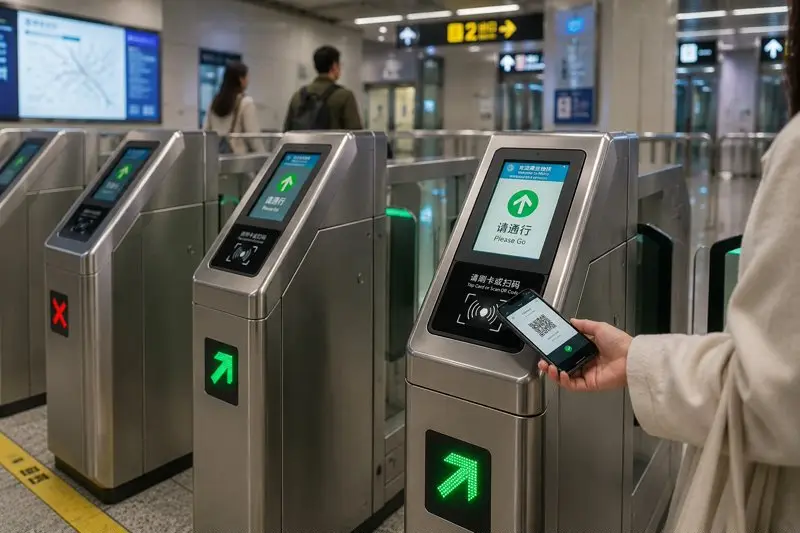
Transportation Systems
Displays and panel PCs for ticketing, check-in, passenger information, and transportation control terminals.
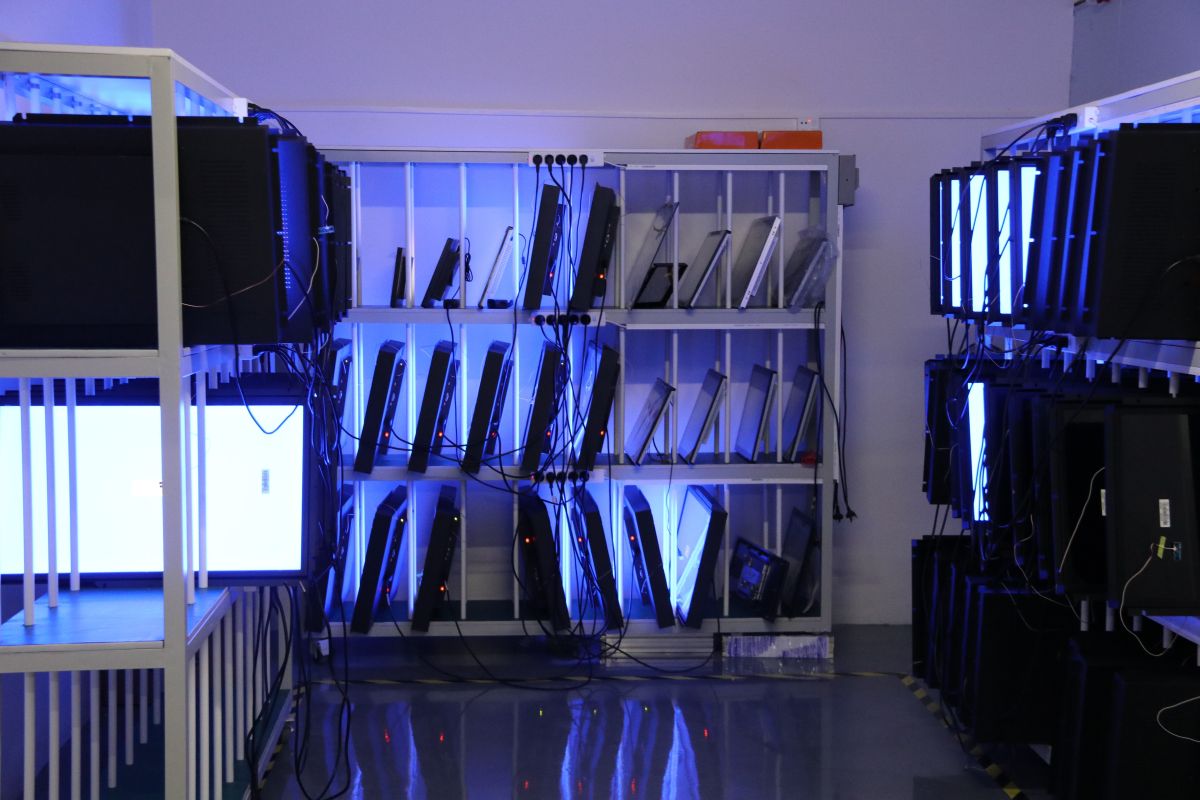
A Manufacturing Partner You Can Rely On
We combine established manufacturing experience, disciplined quality management, and dependable support to give OEM customers confidence throughout every project.
Years of industrial manufacturing experience provide the practical foundation to support demanding OEM projects.
Defined procedures, consistent inspection, and documented controls help maintain quality throughout manufacturing.
Our experience includes projects involving listed companies and Fortune 500 organizations, where consistency, confidentiality, and dependable support are essential.
A Clear Path from Brief to Production
Each stage creates a clear decision point, helping the project move forward with fewer uncertainties and better control.
Define the Direction
We review the application, available drawings, priorities, target quantity, and timeline to establish a practical starting point.
Validate the Solution
Samples are reviewed against the intended installation requirements so fit, performance, and usability can be confirmed before approval.
Deliver with Control
Following approval, production and delivery proceed to the agreed specification, supported by consistent quality records and clear communication.
Let’s Discuss Your Requirements
Share your application, requirements, or current challenge. Our team will review the details and recommend a practical way forward.