Industrial Displays for Marine Systems
Marine equipment requires display systems capable of operating reliably under humidity, vibration, and varying lighting conditions. In vessel and offshore environments, display selection is typically defined by sunlight readability, environmental stability, rugged construction, and long operating duty cycles.
Display Interfaces for Vessel and Offshore Equipment
In marine systems, displays often serve as the primary interface for navigation, monitoring, and equipment control. These systems operate in environments where humidity, vibration, and changing light conditions are common.
Engineering evaluation usually focuses on daylight visibility, stable operation under vibration, environmental durability, and reliable system integration within marine equipment platforms.
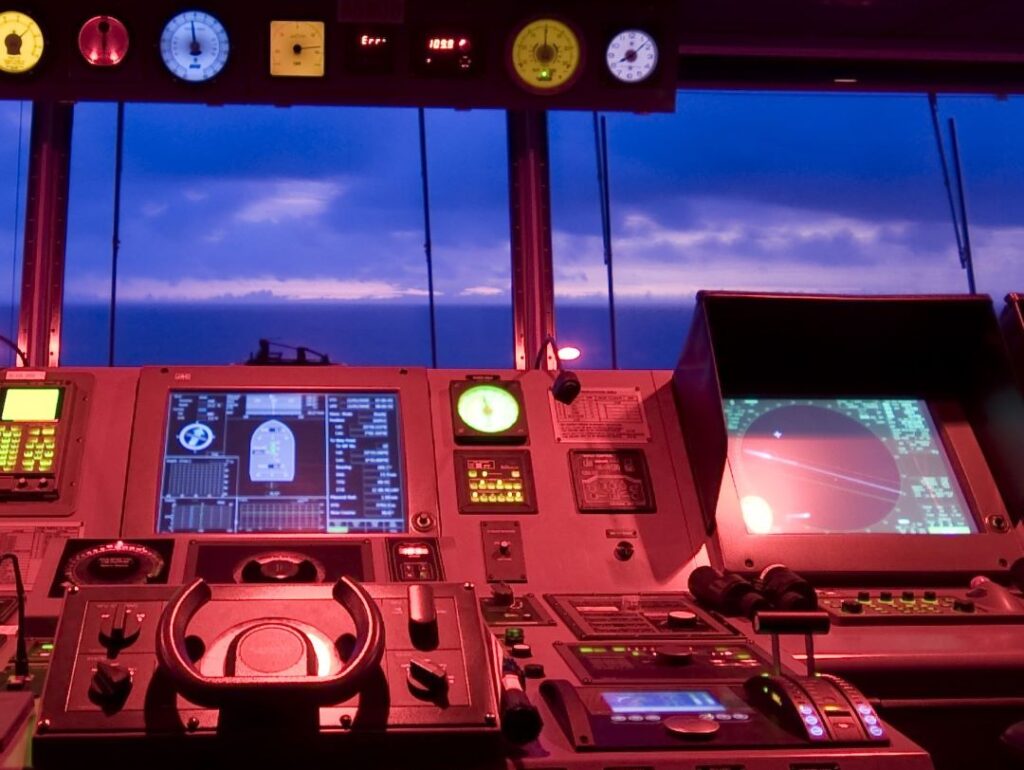
Common installations include vessel control systems, marine monitoring equipment, offshore platforms, and shipboard operator interfaces.
Why Marine Display Review Is Usually Environment-Driven
In marine projects, the main question is usually not whether a display can show information. The practical issue is whether it can remain readable, mechanically stable, and environmentally reliable under sunlight exposure, humidity, vibration, and long-duty operation.
The Display Must Match the Marine Environment
In vessel and offshore systems, the display is part of an operating environment shaped by glare, moisture, motion, and extended duty cycles. A technically acceptable screen can still create project risk if visibility, sealing approach, mounting stability, or long-term maintenance planning are not aligned with real use conditions.
For that reason, platform selection is often based on environmental fit and lifecycle practicality before nominal format alone.
Visibility
Direct sun, reflective water surfaces, and variable ambient light affect practical screen readability.
Environmental Stability
Humidity, condensation, and salt-related exposure can affect long-term system reliability.
Mechanical Durability
Vibration from engines and vessel movement affects mounting security and stable operation.
What This Usually Means in Practice
The suitable platform is normally selected according to operating environment, enclosure structure, visibility target, and duty profile rather than by display size alone.
Where These Display Requirements Commonly Appear
Marine equipment commonly uses integrated display systems where stable monitoring, operational control, and readable interface performance are needed across demanding environmental conditions.
Ship Bridge Systems
NavigationUsed in vessel bridge environments where operators need clear navigation data, monitoring visibility, and dependable control access.
These systems usually place more emphasis on daylight readability and operating reliability than on standard indoor display specifications.
Vessel Monitoring Systems
Onboard MonitoringInstalled to show engine status, vessel conditions, and equipment data under continuous onboard operating conditions.
In these applications, vibration tolerance, environmental stability, and service continuity are usually key review factors.
Offshore Equipment Interfaces
Harsh EnvironmentUsed in offshore energy platforms and marine industrial equipment where operator interfaces must remain practical in exposed operating conditions.
These projects often require review of visibility, front protection, environmental resistance, and structured integration planning.
Marine Control Terminals
System SupervisionApplied where onboard machinery, support systems, or equipment subsystems must be supervised through an integrated display terminal.
These installations often need a practical balance between system compatibility, enclosure fit, and long-term operating continuity.
Typical Evaluation Areas Before Final Platform Selection
Marine display platforms are usually reviewed according to visibility in real operating conditions, environmental protection approach, mechanical stability, and system compatibility within the final equipment program.
Environmental and Visibility Review
Daylight readability
High ambient light, glare, and reflection are typically reviewed according to actual installation exposure rather than nominal brightness only.
Environmental protection
Protection against humidity, condensation, and marine exposure may be required depending on enclosure design and deployment location.
Front structure and sealing
Cover surface, front construction, and sealing approach may be reviewed together rather than as separate items.
Mechanical and System Review
Mechanical durability
Displays should remain stable under vibration, engine influence, and ongoing vessel movement during normal operation.
System integration
Compatibility with vessel control systems, onboard computing, and equipment architecture is typically reviewed during early platform selection.
Continuous duty profile
Marine systems often operate for extended periods, so operating profile and service continuity are usually part of final review.
Frequently Asked Questions
Let’s Discuss Your Requirements
Share your application, requirements, or current challenge. Our team will review the details and recommend a practical way forward.