Displays for Outdoor & Harsh Environments
Displays used in outdoor or exposed industrial environments must remain readable and stable under changing environmental conditions. In these applications, selection is usually defined by high brightness, wide-temperature stability, rugged mechanical design, and protection against moisture, vibration, and field exposure.
Display Systems for Exposed Industrial Installations
In outdoor and field environments, displays must operate reliably despite environmental stress factors such as strong ambient light, temperature variation, humidity, and vibration.
Engineering evaluation usually focuses on visibility in daylight conditions, mechanical durability, environmental protection design, and stable operation across wide temperature ranges.
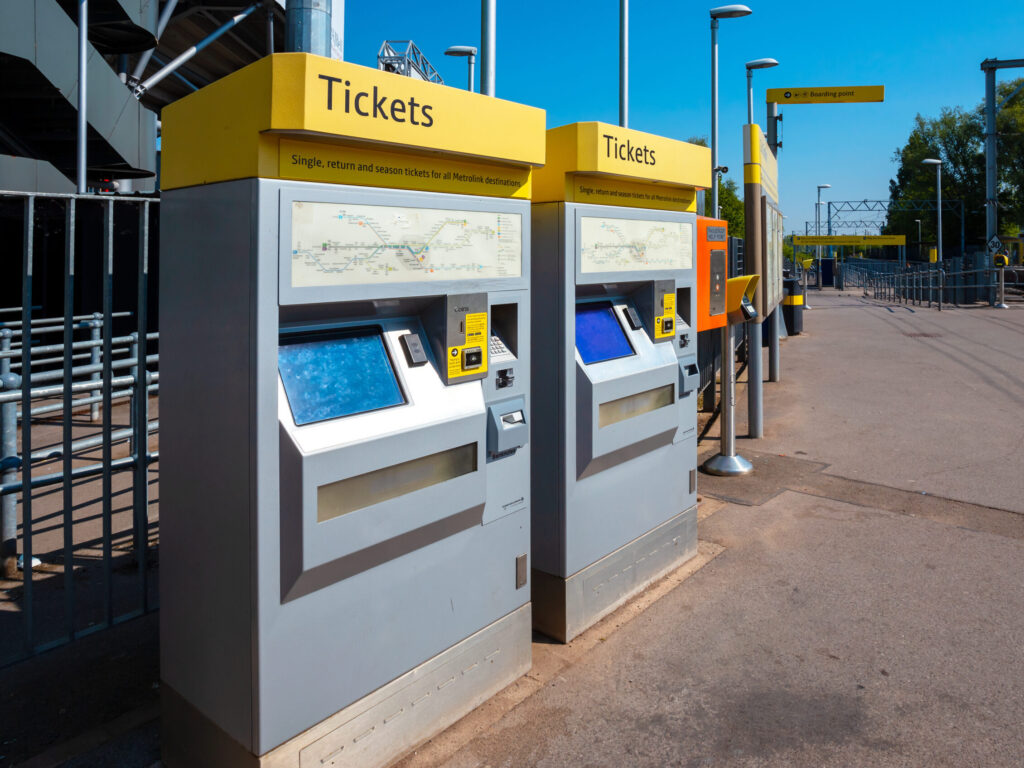
Typical deployments include marine equipment, vehicle systems, outdoor industrial machines, and field installations exposed to varying environmental conditions.
Industrial Equipment Operating in Outdoor Conditions
Outdoor systems require displays that maintain visibility and stability while exposed to environmental factors during daily operation.
Marine Equipment
Navigation or control interfaces installed in vessels or marine systems exposed to humidity and vibration.
Vehicle Systems
Displays used in industrial vehicles, transport systems, or specialized mobile equipment.
Outdoor Industrial Machines
Heavy equipment and machinery operating in construction, agriculture, or infrastructure sites.
Field Installations
Industrial systems installed in remote or exposed environments where environmental stability is required.
Environmental Risks in Outdoor Display Deployment
Outdoor installations often combine several environmental stress factors that must be considered during display platform selection.
Low visibility in sunlight
Standard displays may become difficult to read under direct daylight conditions.
Temperature instability
Extreme temperatures can affect display components and long-term system reliability.
Moisture and condensation
Outdoor installations may encounter humidity, rain exposure, or condensation during operation.
Vibration and mechanical stress
Mobile equipment or exposed installations may introduce vibration that affects long-term durability.
Typical Evaluation Areas for Outdoor Displays
Display platforms are normally reviewed based on visibility, environmental stability, mechanical protection, and installation compatibility with field equipment.
High brightness visibility
Display brightness and optical treatment are reviewed to ensure readability in daylight environments.
Wide temperature operation
Components may be selected to support stable operation across extended temperature ranges.
Environmental sealing
Protection against moisture, dust, and environmental exposure is often considered during integration.
Mechanical durability
Rugged construction may be required to withstand vibration and outdoor equipment operation.
Frequently Asked Questions
Let’s Discuss Your Requirements
Share your application, requirements, or current challenge. Our team will review the details and recommend a practical way forward.