Displays for Energy & Infrastructure Equipment
Energy and infrastructure equipment such as EV charging stations, parking terminals, and fuel dispensers depends on integrated displays for user guidance, transaction flow, and visible system status. In these projects, selection is usually driven less by screen size alone and more by outdoor readability, touch stability, front durability, enclosure fit, and long-term program continuity.
Display Integration for Public-Facing Infrastructure Systems
In energy and infrastructure equipment, the display is often part of the primary interface between the machine and the end user. It must remain readable, touch-stable, and mechanically reliable under repeated public interaction and changing site conditions.
For that reason, engineering review usually focuses on four practical areas: visibility in bright ambient light, stable touch response in real use, front-surface durability, and lifecycle continuity after field deployment.
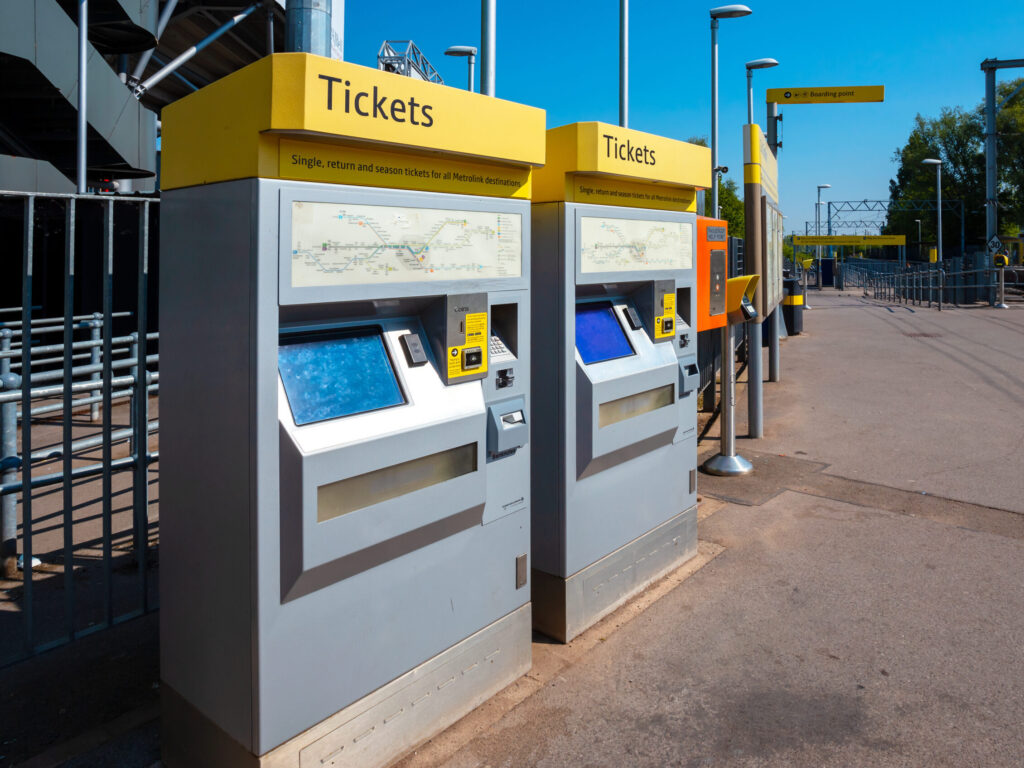
Typical deployments include charging terminals, payment stations, fueling equipment, and other public-use systems where visibility, front protection, and long field-life support affect the final design decision.
Visibility
Readable interface performance in bright and changing ambient light.
Touch Stability
Usable response under frequent public interaction, gloves, and moisture.
Front Durability
Cover protection and mechanical reliability after field deployment.
Program Continuity
Revision control and replacement planning for long service-life systems.
Where These Requirements Commonly Appear
These display requirements are commonly seen in equipment that must guide users clearly, withstand repeated contact, and remain maintainable over a long service life.
EV Charging Stations
OutdoorUser interfaces for charging guidance, payment flow, connector status, and service information in outdoor charging equipment.
Parking & Access Terminals
Public UseDisplays used for ticketing, payment, entry control, and visible operating feedback in public or semi-outdoor installations.
Fuel Dispensers
High ContactTransaction and operating displays used in service stations where front durability and interface clarity affect daily operation.
Public Service Interfaces
Long LifeInformation, payment, and service terminals where visibility, repeated contact, and replacement planning matter after deployment.
Common Risks in Infrastructure Display Projects
In this application category, the main engineering risk is usually not the nominal display size. The real issue is whether the interface remains usable, durable, and maintainable after release into a public-use environment.
Most Problems Appear After Installation
In infrastructure equipment, display issues are often discovered after the unit enters real field use. Bright light, repeated contact, cleaning routines, moisture exposure, and part replacement over time can all affect the final user experience.
That is why platform review usually needs to consider the deployment condition first, not only the display specification sheet.
Poor visibility in bright conditions
Outdoor exposure and changing ambient light can reduce contrast and make standard indoor displays difficult to read in actual operation.
Unstable touch in public use
Gloves, moisture, water droplets, and frequent user contact can affect touch behavior if controller tuning does not match the real installation condition.
Front wear after deployment
Repeated pressing, cleaning, and accidental impact place higher demands on cover glass, sealing structure, and front-surface durability.
Replacement mismatch over time
Long field-life programs may require revision control, PCN response, and continuity planning to avoid replacement issues after release.
What Is Usually Reviewed Before Platform Selection
In these projects, the display is usually reviewed as part of the full equipment system. The goal is to align visibility, touch behavior, front structure, and long-term support with the actual deployment environment.
Interface Performance Review
Brightness for site exposure
Brightness level and optical design are normally reviewed according to outdoor exposure, viewing condition, and expected daytime readability.
Touch tuning for real interaction
Controller and sensor settings may be adjusted for glove use, wet operation, and false-trigger control in public-facing equipment.
Mechanical and Lifecycle Review
Front structure and protection
Cover glass, surface treatment, sealing approach, and mechanical integration are typically reviewed together rather than as separate items.
Program continuity planning
For long-life infrastructure equipment, continuity review may include part availability, revision control, and PCN handling after deployment.
Frequently Asked Questions
Engineering Review
Send your application details. We respond with configuration direction and next steps.