Industrial Displays for Marine Equipment
Marine systems rely on displays for navigation information, system monitoring, and onboard equipment control interfaces.
Display selection is usually influenced by environmental exposure, enclosure design, vibration conditions, sunlight visibility, and long-term operating stability.
Display Interfaces Used in Marine Systems
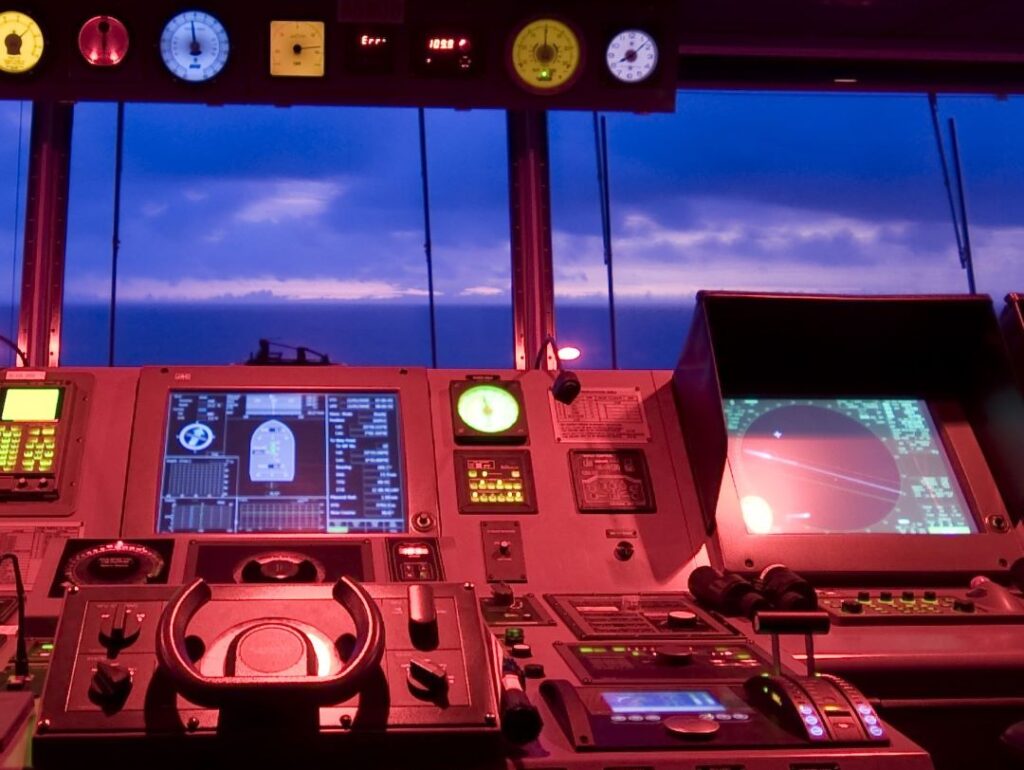
In marine equipment, displays are commonly used for system monitoring, navigation-related interfaces, equipment control, and onboard status indication. Depending on the system type, the display may be integrated into bridge consoles, cabin control panels, or deck-mounted equipment.
Marine environments introduce several design considerations including humidity, vibration, changing temperature, and direct sunlight exposure. These factors often influence display brightness, mechanical mounting method, and enclosure integration.
As a result, display selection is usually evaluated together with the system housing, installation location, viewing condition, and environmental protection strategy.
Typical Display Requirements in Marine Applications
Display requirements in marine systems are usually shaped by environmental exposure, installation structure, and operational visibility.
Sunlight Visibility
Displays installed on bridge consoles or exposed areas may require sufficient brightness to remain readable under strong ambient light or direct sunlight.
Humidity Tolerance
Marine environments often involve high humidity or condensation, so enclosure protection and internal component stability are usually part of the design review.
Mechanical Stability
Displays integrated into marine equipment may experience vibration or movement, making mounting structure and mechanical stability important considerations.
Continuous Operation
Many onboard systems operate for extended periods, so display reliability and stable long-term operation are commonly evaluated early in system design.
Common Display Integration Methods in Marine Systems
The display format used in marine equipment usually depends on console structure, mounting strategy, and system architecture.
Panel Mount Integration
Panel mount displays are commonly used in bridge consoles or cabin control panels where the installation opening is defined early in system design.
Open Frame Integration
Open frame displays may be used when the system housing defines the front surface and the display is integrated behind a protective panel.
Integrated Panel PCs
In some systems, panel PCs combine the display and computing platform into one integrated interface unit.
Frequently Asked Questions
Short answers to common engineering questions when evaluating displays for marine equipment.
Engineering Review
Send your application details. We respond with configuration direction and next steps.