Industrial Displays for Outdoor Industrial Equipment
Outdoor industrial equipment often relies on displays for status indication, operator interaction, system monitoring, and equipment control in exposed environments.
Display selection is usually influenced by sunlight visibility, temperature exposure, enclosure structure, surface protection, and long-term outdoor operating stability.
Display Interfaces Used in Outdoor Industrial Systems
In outdoor industrial equipment, displays are commonly used for system monitoring, operator guidance, parameter adjustment, diagnostics, and local control functions. Depending on the equipment type, the display may be integrated into machine housings, service terminals, field enclosures, or exposed operator panels.
Unlike indoor equipment, outdoor systems may be exposed to direct sunlight, temperature variation, dust, moisture, and long operating hours. These conditions often affect brightness targets, front-surface structure, mounting method, and enclosure protection strategy.
As a result, display selection is usually reviewed together with the equipment housing, installation location, environmental exposure level, and service requirements.
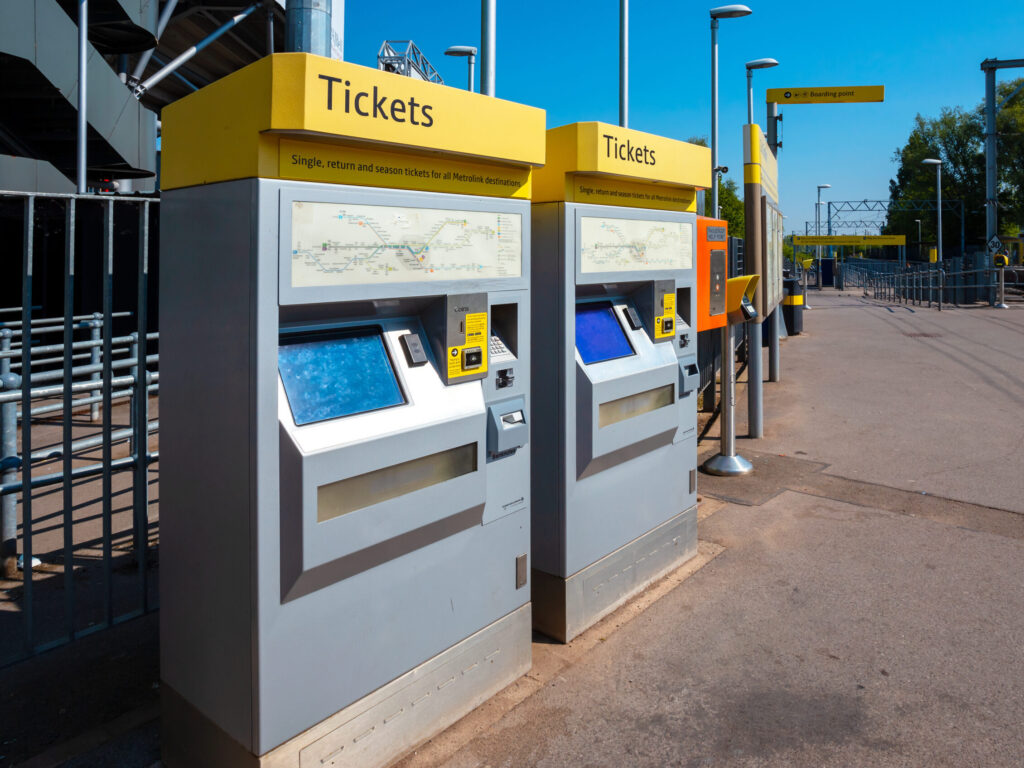
Typical Display Requirements for Outdoor Industrial Equipment
Display requirements in outdoor equipment are usually shaped by environmental exposure, readability demands, enclosure structure, and expected system runtime.
Sunlight Readability
Outdoor equipment often requires high brightness displays so information remains visible under direct sunlight and strong ambient light conditions.
Environmental Protection
Dust, moisture, and changing weather conditions often make enclosure sealing, front protection, and exposed-surface design important parts of system evaluation.
Wide Temperature Stability
Outdoor deployment may involve temperature variation across seasons and operating cycles, so thermal behavior and stable performance are often reviewed early in the project.
Long-Term Operation
Many outdoor machines are expected to operate for extended hours, making display reliability and lifecycle planning part of the overall equipment design process.
Common Display Integration Methods in Outdoor Equipment
The display format used in outdoor industrial systems usually depends on housing structure, front protection concept, service method, and controller architecture.
Panel Mount Integration
Panel mount displays are commonly used when the screen is installed into a defined equipment opening and the front integration method is fixed early in design.
Open Frame Integration
Open frame displays are often used when the system housing defines the front structure and the display is integrated behind a customer-defined protective surface.
Integrated Panel PCs
Some outdoor systems use panel PCs where the display and computing platform are combined into one integrated interface unit for local control and monitoring.
What Usually Shapes Display Selection
Although outdoor equipment structures differ by project, display selection is often influenced by a similar group of technical considerations.
For outdoor projects, display configuration is often defined together with the enclosure protection concept, thermal strategy, and front-surface structure rather than as an isolated component choice.
Why early review helps
Early engineering review can help reduce mismatch risk between the display structure and the actual outdoor equipment design, especially in projects involving direct sunlight, sealing requirements, wide temperature exposure, or custom front panels.
Frequently Asked Questions
Short answers to common engineering questions when evaluating displays for outdoor industrial equipment.
Engineering Review
Send your application details. We respond with configuration direction and next steps.