Industrial Display Brightness (Nits) Guide for HMIs and Outdoor Equipment
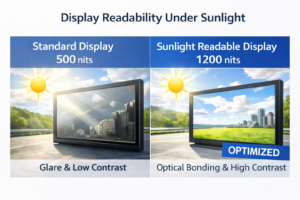
Introduction Display visibility is a critical design parameter in industrial equipment. Operators rely on graphical interfaces …
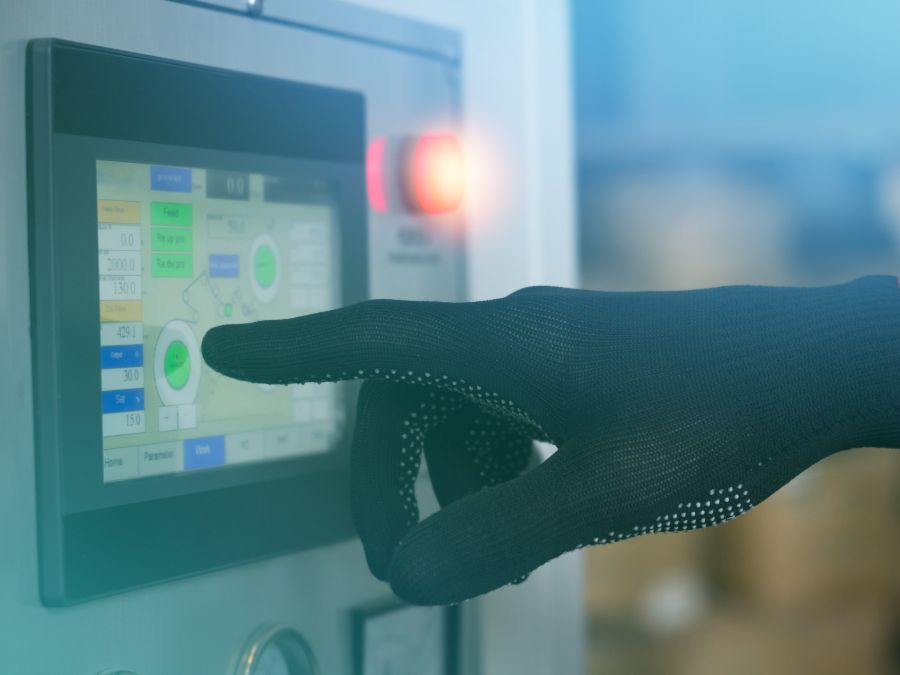
Industrial equipment increasingly relies on graphical interfaces for monitoring, diagnostics, and machine control. Modern automation systems, kiosks, and infrastructure equipment depend on industrial display monitors as the visual interface between operators and embedded control systems.
Unlike consumer displays designed for office environments, industrial display monitors must operate reliably under demanding conditions such as vibration, temperature variation, dust exposure, and long continuous operating cycles.
For engineers developing industrial equipment, the display subsystem is not only a visual component but also a critical element of human-machine interface (HMI) architecture.
Selecting an appropriate industrial display requires evaluation of multiple engineering factors, including brightness performance, optical clarity, environmental durability, mechanical integration, and lifecycle availability.
An industrial display monitor is a rugged display unit designed for integration into industrial machines, kiosks, automation equipment, and smart infrastructure systems.
These displays typically include:
Industrial display monitors connect to external computing systems such as:
Common display interfaces include:
Unlike panel PCs, industrial monitors do not contain embedded computing hardware. This modular architecture allows engineers to separate display and computing subsystems, simplifying maintenance and long-term upgrades.
Engineers evaluating industrial displays typically consider several technical parameters that determine system compatibility and operational reliability.
Important specifications include:
| Parameter | Description |
|---|---|
| Brightness | Measured in nits for visibility |
| Display size | Commonly 7″ to 32″ |
| Touch technology | PCAP or resistive |
| Viewing angle | Critical for multi-operator systems |
| Operating temperature | Determines environmental suitability |
| Interface compatibility | HDMI, LVDS, eDP, DisplayPort |
| Protection rating | IP65 or higher for harsh environments |
These specifications help determine whether a display can integrate effectively within industrial HMI systems.
Industrial display monitors primarily use LCD technologies designed for predictable performance and long product availability.
Thin-film transistor LCD panels remain the most widely used display technology for industrial equipment.
Advantages include:
TFT LCD displays are commonly used in:
In-plane switching (IPS) technology improves viewing angle performance and color stability compared with traditional LCD panels.
IPS displays are useful in systems where operators view the screen from different positions, such as large control cabinets or vertically mounted equipment displays.
OLED technology provides high contrast and thin display modules. However, continuous operation and elevated temperatures may reduce OLED panel lifetime.
For this reason, LCD-based displays remain the dominant solution in industrial equipment interfaces.
Several technologies influence the readability and reliability of industrial displays.
Optical bonding removes the air gap between the LCD panel and protective cover glass using a transparent adhesive layer.
Benefits include:
Optical bonding is commonly used in:
Brightness is a critical factor in industrial display visibility.
Typical brightness requirements include:
| Environment | Brightness |
|---|---|
| Indoor factory equipment | 400–700 nits |
| Bright indoor environments | 700–1000 nits |
| Outdoor installations | 1000–1500+ nits |
Sunlight-readable displays combine high-brightness LED backlights with optical bonding and anti-reflective coatings.
Many industrial display monitors include touch capability to support operator interaction.
PCAP touch sensors detect changes in capacitance across a conductive grid embedded in glass.
Advantages include:
PCAP technology is widely used in industrial touch displays and interactive equipment terminals.
Resistive touch sensors detect pressure between conductive layers.
Advantages include:
However, resistive touch generally provides lower optical clarity compared with PCAP systems.
Industrial display monitors connect to computing systems through several interface standards.
HDMI is widely used in modern industrial computers and embedded systems.
DisplayPort supports higher bandwidth and longer cable distances.
LVDS is commonly used in embedded display systems where the display connects directly to a motherboard.
Embedded DisplayPort (eDP) is increasingly used in modern embedded computing platforms because it provides efficient high-speed communication between display and controller.
Selecting an appropriate interface depends on system architecture and cable length requirements.
Display readability in industrial environments depends on several optical parameters.
Higher contrast improves readability under bright lighting conditions.
Anti-reflective and anti-glare coatings reduce reflection from ambient lighting.
Protective cover glass improves durability but slightly reduces light transmission.
Engineers must balance optical performance and mechanical protection.
Industrial displays must be evaluated within the context of the overall machine system.
Industrial equipment may expose displays to:
Typical operating ranges for industrial displays are −20°C to 60°C.
Industrial displays may be installed using:
Panel mounting allows sealed front surfaces suitable for control cabinets or kiosks.
Industrial displays typically operate within a larger HMI system architecture.
Some machines use external computers connected to display monitors.
Others integrate computing and display hardware in panel PC based HMI systems.
Industrial equipment often remains in service for many years.
Industrial display platforms typically offer:
This helps reduce redesign risk for OEM equipment.
Outdoor environments introduce additional design requirements.
Outdoor displays require high brightness and anti-reflection treatments.
High-brightness displays generate more heat and may require passive cooling structures.
Outdoor displays must resist UV exposure, moisture, and temperature cycling.
Industrial display monitors are used across many equipment categories.
Machine HMIs display process parameters, alarms, and system status.
Charging infrastructure relies on sunlight-readable industrial displays for user interaction.
Public kiosks require displays capable of continuous operation.
Examples include parking terminals, transportation systems, and access control equipment.
Industrial display monitors are suitable when system architecture separates the computing platform from the display interface.
Typical scenarios include:
Custom equipment may also integrate OEM touch display modules tailored to enclosure design.
Industrial display monitors are essential components in modern machine interfaces. They provide reliable visual communication between operators and industrial control systems.
When selecting an industrial display, engineers should evaluate brightness, optical performance, environmental durability, mechanical integration, and lifecycle availability.
Treating the display as part of the overall HMI architecture improves system usability, reliability, and long-term maintainability.
An industrial display monitor is a rugged display device designed for integration into machines and infrastructure equipment operating in harsh environments.
Outdoor displays typically require brightness above 1000 nits combined with optical bonding and anti-reflection coatings.
No. Some industrial monitors are used only for visualization and do not include touch interfaces.
Industrial display platforms typically remain available for 5–10 years to support long equipment lifecycles.
Introduction Display visibility is a critical design parameter in industrial equipment. Operators rely on graphical interfaces …
Introduction Industrial equipment increasingly relies on graphical interfaces for monitoring, diagnostics, and machine control. Modern automation …
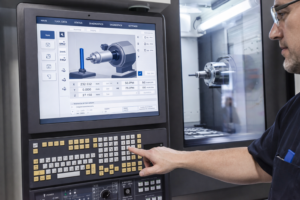
Introduction Modern CNC equipment relies on digital human–machine interfaces (HMI) to support machine operation, diagnostics, and …
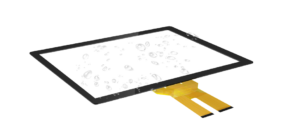
Introduction Industrial equipment increasingly relies on graphical interfaces for machine control, diagnostics, and configuration. As human–machine …
Send your application details. We respond with configuration direction and next steps.