Industrial Display Supplier Buyer Guide for OEM Equipment

Introduction Human-machine interfaces (HMIs) are now standard components in modern industrial equipment. Displays allow operators to …
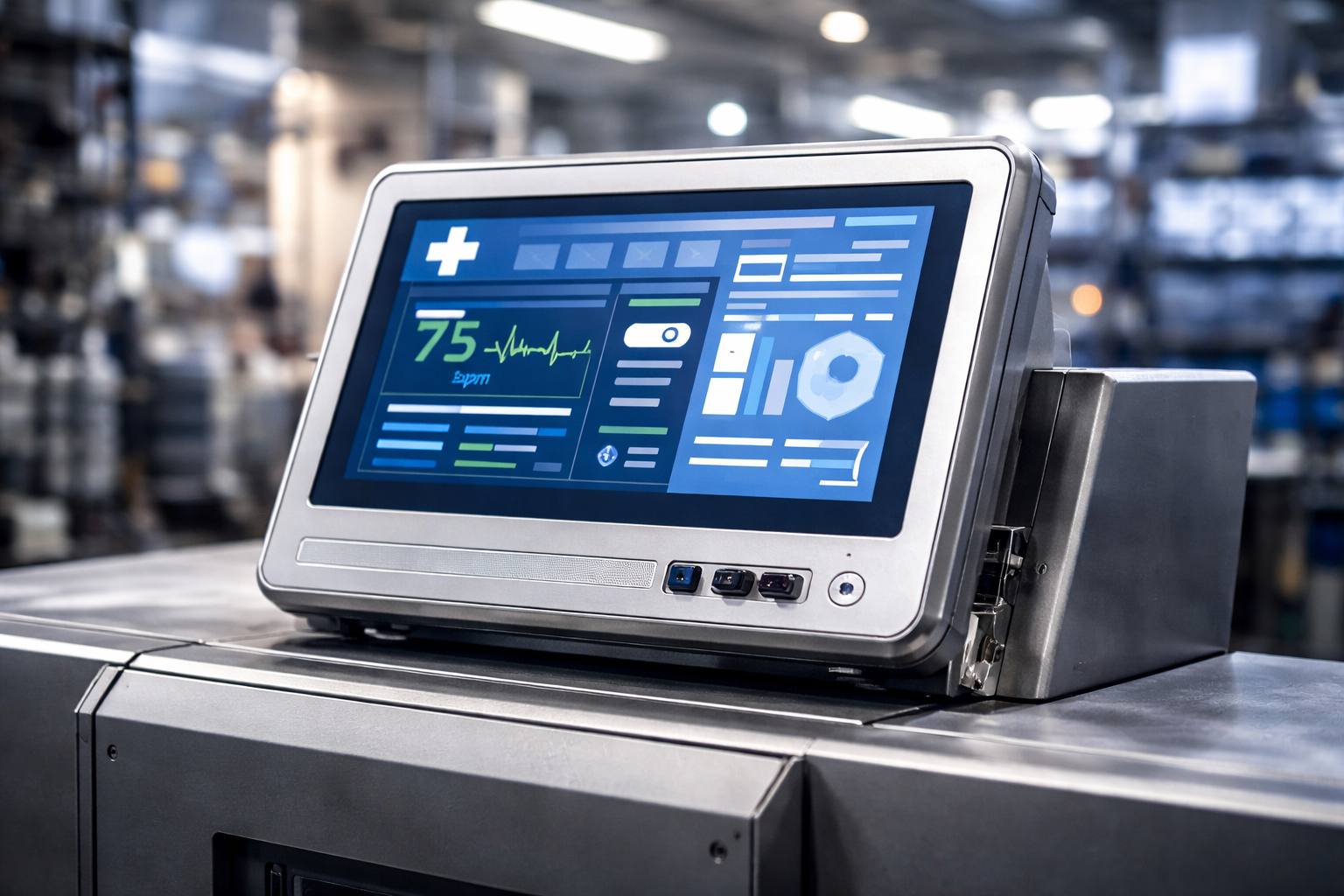
Industrial panel PCs have become a core component in modern automation, manufacturing, and control systems.
Unlike consumer-grade computers, industrial panel PCs are designed to operate reliably in harsh environments where stability, durability, and long-term availability matter more than raw performance alone.
Choosing the right industrial panel PC requires a clear understanding of your application requirements. This guide explains the key factors you should consider to make an informed decision.
An industrial panel PC is an all-in-one computing device that integrates a display, touchscreen, and industrial-grade computer into a single enclosure.
These systems are widely used in factories, machinery control panels, kiosks, and industrial terminals.
Compared to standard PCs, industrial panel PCs offer:
Selecting the wrong panel PC can lead to:
A well-chosen industrial panel PC improves operational efficiency, reduces risk, and supports long-term system stability.
Start by evaluating the processing power your application requires.
Industrial panel PCs are available with various CPU options, ranging from low-power processors for simple HMI tasks to higher-performance CPUs for data processing and visualization.
Consider:
Avoid over-specifying hardware, as it can increase cost without real benefit.
Industrial environments can be challenging. Your panel PC must be designed to withstand:
Look for features such as:
The display is the primary interface between operators and machines. Key aspects include:
Choosing the right touchscreen improves usability and reduces operator errors.
Industrial panel PCs must integrate smoothly into existing systems.
Common mounting options include:
Ensure the selected model matches your enclosure design and installation constraints.
Industrial applications often require multiple interfaces.
Check for support of:
Adequate connectivity ensures compatibility with sensors, controllers, and industrial networks.
Unlike consumer products, industrial systems are expected to remain in service for many years.
Choose a supplier that offers:
This reduces redesign risk and protects your investment.
Fanless industrial panel PCs are often preferred due to:
However, high-performance applications may require active cooling.
The choice depends on the balance between performance needs and environmental conditions.
Industrial panel PCs are widely used in:
Each application has unique requirements, making careful evaluation essential.
To select the best industrial panel PC:
A structured approach helps avoid costly mistakes and ensures reliable operation.
Choosing the best industrial panel PC is not about selecting the most powerful system—it is about selecting the right system for your specific application.
By focusing on reliability, compatibility, and long-term support, businesses can build industrial systems that operate efficiently and consistently over time.
If you are planning an industrial project and need guidance on panel PC selection, working with an experienced manufacturer can simplify the process.
Introduction Human-machine interfaces (HMIs) are now standard components in modern industrial equipment. Displays allow operators to …
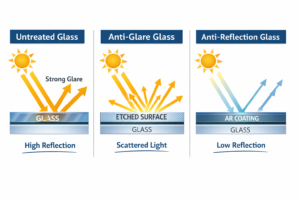
Introduction Industrial displays are frequently deployed in environments where lighting conditions are difficult to control. Equipment …
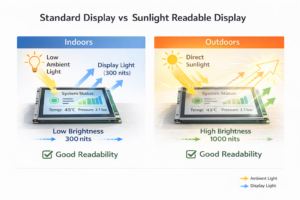
Introduction Displays are a critical interface component in many types of industrial equipment. They provide system …
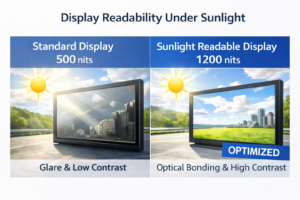
Introduction Display visibility is a critical design parameter in industrial equipment. Operators rely on graphical interfaces …
Send your application details. We respond with configuration direction and next steps.