Industrial Displays
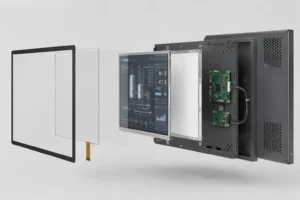
Industrial Display Components: How an OEM Touch Display Is Built
An industrial display is not a single component. Depending on the supplier and project, “display” may refer to a TFT LCD module,…
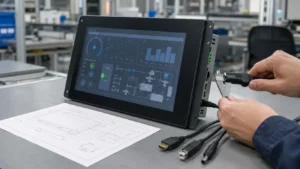
How to Choose an Industrial Monitor for OEM Equipment
An industrial display monitor should be specified as part of the machine, not as a desktop accessory. A monitor may have the…
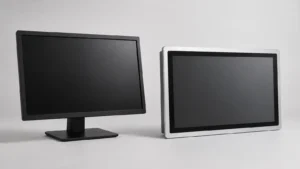
Industrial Display vs Commercial Monitor: What OEM Buyers Should Verify
A commercial monitor may have the right size, resolution and video input for industrial equipment. That does not make it unsuitable—but it…
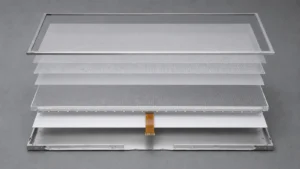
Industrial LCD Backlight: Types, Specifications and Selection Guide
An LCD controls how much light passes through each pixel but does not produce its own light. The backlight behind it makes…
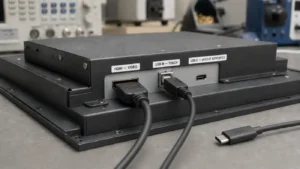
Can a USB Port Be Used as a Video Input for an Industrial Monitor?
Sometimes, but the connector alone does not answer the question. A standard USB-A port does not provide a native video signal. The…
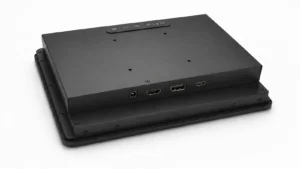
HDMI vs DisplayPort vs USB-C for Industrial Displays
Customers often ask which display interface is the most reliable for industrial equipment. In practice, the host computer has usually made half…
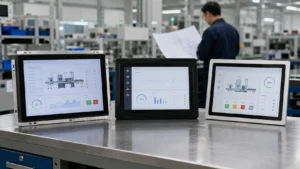
Top 10 Industrial Display Manufacturers in 2026: A Practical OEM Buyer’s Guide
Choosing an industrial display manufacturer is not the same as choosing an office monitor brand. The display may need to fit an…
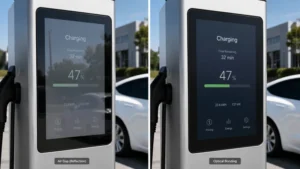
Air Bonding vs Optical Bonding: How to Choose for Industrial Displays
When an industrial display supplier asks whether you need air bonding or optical bonding, the right answer is not automatically “optical.” Air…
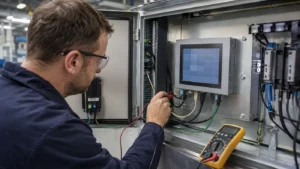
12 Common LCD Touchscreen Display Problems: A Symptom-Based Diagnostic Guide
An LCD touchscreen can show a perfect image while the touch function is completely dead. It can also continue sending touch data…
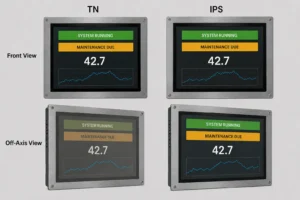
IPS vs TN Industrial Displays: How to Choose the Right Panel
IPS is usually the safer choice when an industrial display must be read from different heights, directions or operating positions. TN remains…