Blog
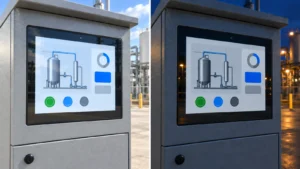
Automatic Dimming in Industrial Displays: How It Works and Saves Power
A kiosk screen that looks right at midday can feel uncomfortably bright after dark. Leaving it at maximum brightness also uses power…
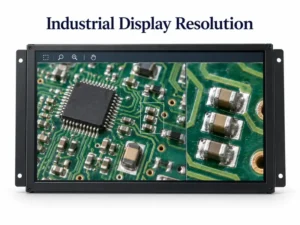
Industrial Display Resolution: When Is Higher Resolution Worth It?
A higher-resolution LCD is worth specifying when operators need image detail or workspace that the existing display cannot provide. It is less…
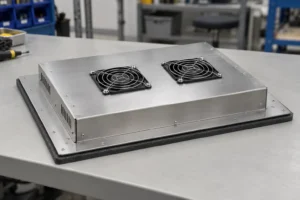
Industrial Display Thermal Management: Fan Cooling, Airflow and Validation
A display can run normally on a workbench and still run too hot inside a machine. A cabinet wall restricts the rear…
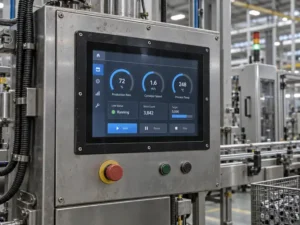
What Makes an Industrial Monitor Rugged?
An industrial monitor is not rugged simply because it has a metal housing or a thick front glass. It is rugged when…
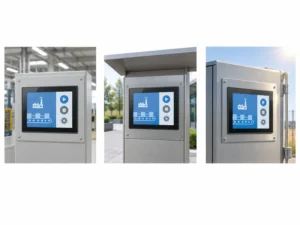
Industrial Display Brightness: How Many Nits Does Your Equipment Need?
For an industrial display, choose brightness around the light reaching the installed screen. A control panel inside a factory may work well…
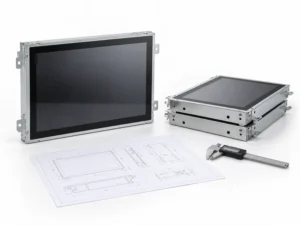
How to Choose an Industrial Display Supplier for OEM Projects
Choose an industrial display supplier that fits your application, order volume and development schedule. Confirm sample and minimum order quantity (MOQ) terms…
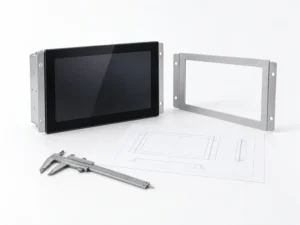
Custom Industrial Display Design: From Requirements to Production
Custom industrial display design makes sense when a standard industrial monitor cannot meet the equipment’s installation, operating or service requirements. The work…
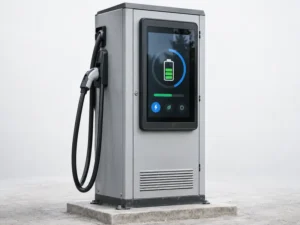
EV Charger Display Design for Outdoor Charging Stations
Introduction An EV charger display should be selected as part of the charging system, not as a standalone screen. A compact AC…

Touch Monitors for Self-Service Kiosks: Functions, Requirements and Integration
A touch monitor is the main user interface in an interactive self-service kiosk. It presents each step, receives the user’s choices and…
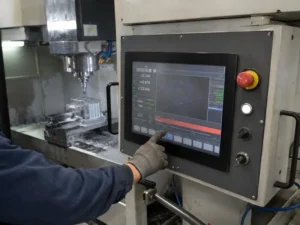
CNC Machine Display: Touchscreen Requirements and Integration
A CNC machine display is the working interface between the operator and the control system. It presents coordinates, programs, tool data, spindle…